
Is High-Quality Climbing Gear Worth the Investment? Here’s What Savvy Shoppers Say
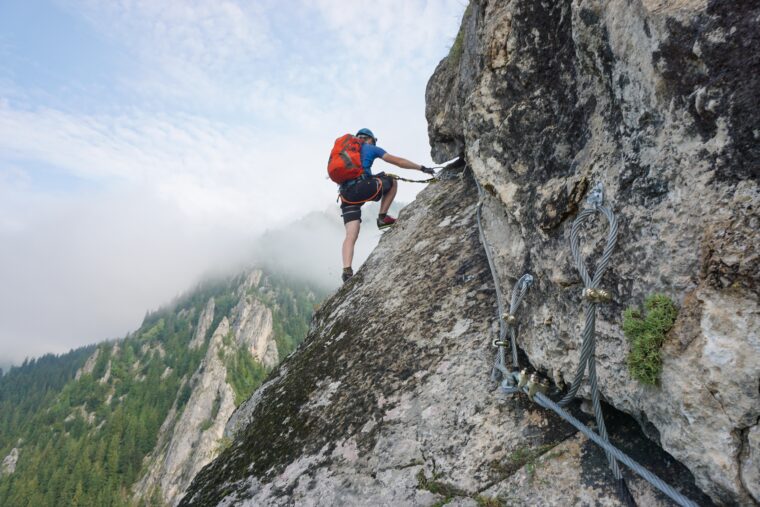
A stunning shot of a young man climbing up a cliff on a cold and foggy day
Climbing isn’t just for the ultra-fit or the thrill junkies anymore. It’s pulled in weekend hikers, city gym goers, and travelers chasing that feeling of being a little scared but alive. Walk into any climbing gym—it’s packed. Head to the crags on a sunny day—same story. People want in.
With more people climbing, there’s one thing they all run into pretty quickly: gear. And not just any gear—good gear. The kind that keeps you safe and doesn’t quit halfway through a season. But then comes the price tag.
You stop and wonder—does it matter if you spend more? Or can budget gear still do the job? Let’s read the following insights. It will just help you make the smartest choice for your journey.
What Sets High-Quality Climbing Gear Apart?
Let us start with the basics. What makes certain gear cost more than others? The answer usually lies in how it is made and how it performs when it matters most.
Top brands use high-quality, advanced materials. It means you get lightweight alloys, reinforced stitching, and composite materials. They are built to handle pressure. In rock climbing gear, for example, you’ll notice carabiners that feel smoother, ropes that hold up better over time, and harnesses that fit like they were made for your body. It is not just about looks, but rather about trust.
Another big factor is safety testing. Reputable brands meet strict standards set by global safety groups like the UIAA or CE. These organizations test everything from strength ratings to fall protection. That little label? It means a lot. It means the gear has been pushed, pulled, dropped, and proven safe.
Fit also matters more than many realize. A harness that hugs just right, or a helmet that doesn’t shift as you move, changes how you climb. High-quality gear tends to feel better because the makers think of real users. Therefore, they use breathable fabrics, lighter builds, and smart designs. It helps you move freely while staying protected.
Benefits To Notice
You know the difference the moment you clip in. Good gear just moves with you. There’s no second-guessing, no hesitation—just that quiet confidence that you’re covered.
You trust your harness. Your rope feels strong in your hands. That carabiner clicks shut with a sound that says, “You’re safe.” And suddenly, that exposed section ahead? Doesn’t rattle you like it used to.
The other thing you notice? It lasts. Cheap gear might look fine, but it wears out fast. Soles peel off. Webbing frays. With quality gear, you don’t have to worry about that mid-season breakdown. Your shoes still stick. Your helmet still feels solid. The rope stays smooth, climb after climb.
And then there’s how it all handles. You don’t wrestle with it. Ropes feed easily, gear doesn’t jam, and shoes grip even when the rock gets slick. You move better because nothing holds you back. That’s the part people often miss—how much smoother and more focused the whole climb feels when your gear just works.
When Should You Consider Splurging?
Not every climb needs top-tier gear. But some situations absolutely call for it.
If you’re doing multi-pitch or alpine climbs, safety becomes even more critical. You may be hours from help. Your gear must work the first time, every time.
Frequent gym climbers face another issue: wear and tear. You use your shoes, harness, and rope regularly. That means they break down faster. In this case, investing in longer-lasting gear makes more sense than constantly replacing cheap items.
Also, as you grow in the sport—especially if you move into lead climbing or trad—reliable protection becomes essential. Gear failure at that level can have serious consequences. Having dependable tools under you gives peace of mind and lets you focus fully on the route ahead.
Balancing Budget and Quality
Not everyone has the budget to buy the best of everything. That’s okay. The key is knowing where to spend and where to save.
Put your money into gear that protects you directly. Harnesses, ropes, helmets, and protection devices (like cams or nuts) should come from trusted brands. These items carry your weight and, in many cases, your life.
On the other hand, you don’t need to splurge on chalk bags, gear slings, or carabiner clips for your backpack. These accessories are useful but don’t carry as much risk.
Also, resist the urge to buy secondhand unless you know exactly how the gear was used. Ropes, harnesses, and helmets degrade over time—even if they still look okay. A small tear or unnoticed crack could put you in danger. It’s not worth the risk to save a few bucks.
If cost is still a concern, consider watching for seasonal sales or demo days at gear shops. Some climbing gyms also offer discounts for members. Take your time, do your research, and ask experienced climbers for recommendations.
Wrapping It All Up!
Novice equipment is its own purpose, particularly for beginner climbers just giving the sport a try. But when it comes to your safety, comfort, and climbing aspirations, quality counts. Therefore, it is important to consider a few things before you make that next purchase. It will help you make the right decision. Trust your gut, research, and don’t shy away from spending what really counts.
