
Why Learning Cajun and Creole Cooking Is a Must-Try Experience in Louisiana
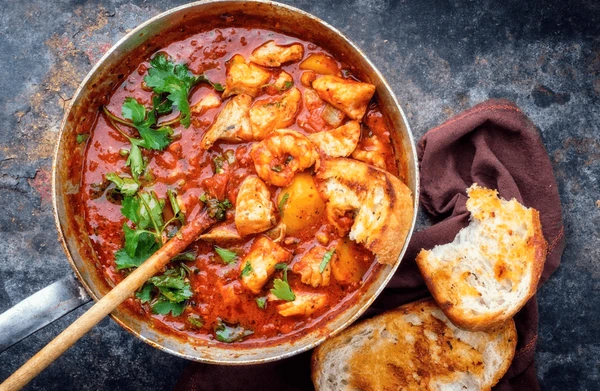
Louisiana doesn’t just welcome visitors — it tempts you to embrace its culture. Wander down any street or country road and you’ll catch the aroma of something simmering low or sizzling hot. And here’s the truth: these meals aren’t just “recipes.”
Cajun and Creole food carry the weight of history, the comfort of tradition, and the personality of the people who make it. If you’ve ever wanted to truly know the place, standing in a Louisiana kitchen with a wooden spoon in your hand is as close as you’ll get to its heartbeat.
Cajun vs. Creole: Two cuisines, two stories
Folks often toss the names together like they’re the same thing, but they’re not. Cajun food comes from French-speaking Acadians who were pushed from Canada into Louisiana’s countryside. Preparing these dishes is one of the best indoor things to do in New Orleans.
Out here, cooking meant working with whatever the land and water offered, so the dishes turned out hearty, rustic, and filling. Gumbo thick enough to stand your spoon in, boudin sausages that taste like comfort, and jambalaya that smells like a Sunday gathering — that’s Cajun.
Creole originated in New Orleans. It is shaped by a melting pot of French, Spanish, African, and Caribbean influences. The dish is refined and layered with flavor. Learn both styles, and you have got yourself a crash course in cooking the best dishes of Louisiana.
Hands-on experience
Here is where the magic begins. A Louisiana cooking class is not “sit and watch the chef” experience — it is a practical experience from the start. One day you could be in a little kitchen in Lafayette. You will be coaxing a roux into that exact shade of dark chocolate the chef swears is non-negotiable. On another day, you might be in New Orleans to adjust the spice levels in a Creole sauce.
You’ll stir and taste again, probably more than once. You realize you are learning patience and the joy of letting food take its time.
Use local ingredients
The soul of these dishes starts with the ingredients. You will even head to the market with your instructor in some classes. You will weave through stalls to choose what is in season.
It’s practical and also a window to experience Louisiana itself. You will experience the weather, water, and the farmers who make these meals possible. Every choice you make at the market finds its way into the pot. You will start seeing why these recipes taste like they do.
Be a part of a bigger narrative
You notice you’re not just cooking; you are taking part in something much bigger somewhere along the way. The chef slips in a family story. Someone explains how their grandmother made gumbo differently. You are part of that conversation suddenly. You will realize that gumbo simply is not a type of stew; it is an event and a reason to gather. You carry it with you once you have been at that table.
Final words
Cajun and Creole cooking are the love letters of Louisiana. These dishes are rich and unpredictable enough to keep you coming back for more. You will take home more than recipes when Yui learns them. You’ll remember the clink of spoons and the generosity of strangers as soon as you participate in the indoor things to do in New Orleans.
