
How to Keep Your Air Conditioner in Top Shape During Every Season
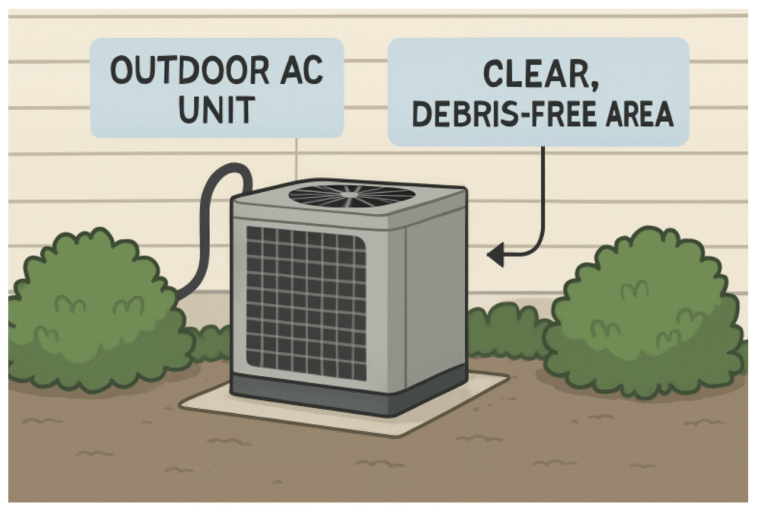
Table of Contents
- Regular Filter Maintenance
- Seasonal Professional Inspections
- Keeping the Outdoor Unit Clear
- Monitoring Thermostat Settings
- Inspecting Ductwork
- Clearing Condensate Drains
- Avoiding Vent Blockages
- Protecting Against Mold
Maintaining your air conditioner year-round is essential for a comfortable, energy-efficient home. Routine upkeep ensures not just cool air on hot days, but also lower energy bills and longer system lifespan. By staying on top of your AC’s needs, you can prevent unexpected breakdowns and enjoy peace of mind year-round. For residents in the desert, the need for consistent AC maintenance is even more important; scheduling an AC tune up in Tucson, AZ, can make a significant difference in performance and energy use.
Neglecting AC maintenance can result in a range of issues, from inefficient operation to air quality problems. Simple steps like changing filters and checking the thermostat can dramatically improve your home comfort. Regular care also helps keep humidity and allergens in check, providing healthier air for your family. Sticking to a maintenance schedule means you’re less likely to run into costly or inconvenient repairs, especially on the hottest or coldest days of the year.
It is also worthwhile to know the optimal timing for various maintenance tasks. For example, filter checks may be needed more often during allergy season, while a full professional inspection should be done before peak cooling periods. According to the U.S. Department of Energy, following a seasonal maintenance plan can keep your AC running efficiently and prevent expensive repairs.
Regular Filter Maintenance
Air filters are your first line of defense against dust, pollen, and pet dander. When filters get clogged, the AC must work harder, resulting in higher utility bills and possibly premature system failure. Experts recommend checking your filters monthly and replacing or cleaning them every 1 to 3 months, depending on usage and whether you have pets or allergies. Clean filters not only improve air quality but also support maximum airflow for efficient cooling and heating.
Seasonal Professional Inspections
Even if you keep up with routine tasks, there are critical AC components only professionals should handle. Scheduling an annual inspection, ideally during spring or fall, allows a certified technician to inspect the refrigerant, electrical connections, and moving parts. They can catch issues you might overlook, like worn belts or minor leaks, and suggest necessary repairs before peak use. This preventative step goes a long way toward reducing emergency calls and keeping your unit running smoothly. You might want to read about why experts emphasize the value of professional air conditioner cleaning for long-term savings and comfort.
Keeping the Outdoor Unit Clear
The outdoor condenser unit is designed to release heat, but it cannot do that efficiently when blocked by overgrown vegetation or debris. Clear at least two feet around the unit, removing leaves, grass, and twigs regularly. If your outdoor unit is exposed to dust storms or heavy pollen, rinse the fins gently with a hose, making sure the power is off first. Keeping this space free of obstruction helps prevent strain on the system and protects it from unnecessary wear.
Monitoring Thermostat Settings
Smart thermostat management is a simple way to boost efficiency. In the heat of summer, the most cost-effective setting is generally around 78°F when you are home, and a bit higher when you are out. Consider investing in a programmable or smart thermostat to avoid unnecessary cooling (or heating) when the house is empty. This reduces the demand on your system, conserves energy, and can even extend the lifespan of your AC. For more smart home tips on indoor comfort, the Consumer Reports guide to efficient thermostat use is a helpful resource.
Inspecting Ductwork
Well-sealed ducts are crucial for efficiently delivering treated air throughout your home. If your ducts are leaking, disconnected, or full of dust, the system has to work much harder. Check for visible signs of wear or weak connections, especially at joints and vents. If you notice rooms that are consistently hotter or colder, or if dust is accumulating quickly, have a professional inspect and, if needed, clean your ductwork.
Clearing Condensate Drains
Your AC’s condensate drain removes humidity from the air, but it can become blocked by algae or grime over time. A clogged drain line may lead to water leaks, increased humidity, or even water damage. Prevent problems by visually inspecting the drain line and pan monthly, and flush with a cup of white vinegar two to four times a year to discourage buildup.
Avoiding Vent Blockages
Blocked or closed vents prevent conditioned air from reaching all areas of your home. Keep vents open and free of furniture, drapes, and rugs to maintain consistent airflow. Walk through your home regularly and adjust any items that could restrict air movement. This simple step helps prevent uneven temperatures and reduces strain on your AC unit.
Protecting Against Mold
Mold growth in your AC system is not just a nuisance; it can become a health hazard. Regularly cleaning your filters and ensuring proper drainage will help prevent moisture buildup, which can encourage mold growth. If you detect a musty odor or spot mold near your vents, shut the system off and contact an HVAC professional immediately for safe removal and remediation.
Consistent AC maintenance helps you enjoy reliable comfort year-round, lower utility bills, and improved air quality. A thoughtful maintenance approach extends the life of your investment, keeping your home cool or warm exactly when you need it most.
