
Bathroom Upgrades That Improve Comfort, Safety, and Style
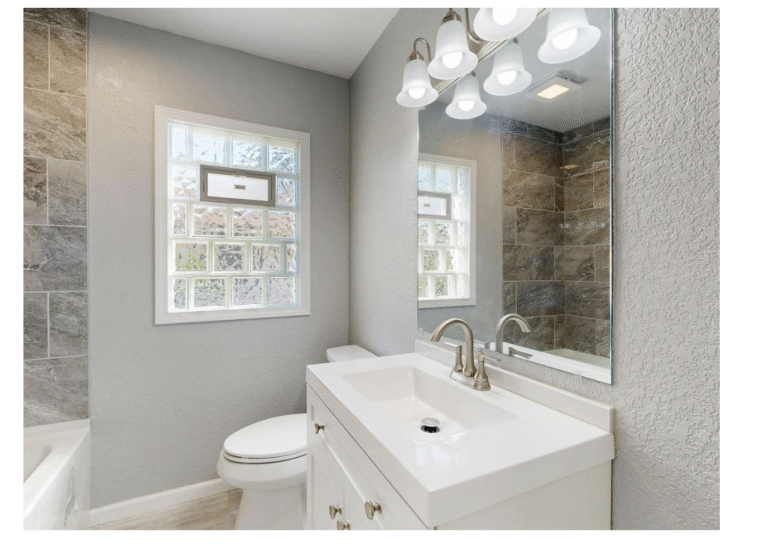
The bathroom light flickers again, and you realize you have been putting off fixing things for longer than you should. The tiles feel colder than they used to, the tub edge is harder to step over, and somehow the space just does not work the way it once did. These small annoyances build up slowly, and most people ignore them until they become real problems.
Over time, bathrooms tend to fall behind the rest of the house. Kitchens get attention, living rooms get updated, but bathrooms stay stuck in older layouts that were not built for comfort or safety. When you spend a little time looking closely, it becomes clear how much better the space could function with a few well-thought-out changes.
Rethinking the Basics Before Making Changes
Most upgrades start with a simple observation. Something feels off, but it is not always obvious what needs to change first. Sometimes it is the layout, other times it is the lighting, or the way surfaces are wearing down. A bathroom that looks fine at a glance can still be difficult to use in daily life.
People often focus on style first, but comfort and safety tend to matter more once you actually use the space every day. A slippery floor, poor lighting, or a tight layout can turn basic routines into something frustrating. These are not dramatic issues, but they affect how the room feels over time.
When planning updates, it helps to think about how the space is used at different times of day. Morning routines are rushed. Nighttime routines are slower, sometimes in low light. A well-designed bathroom adjusts to both without forcing extra effort. That balance is often missing in older setups.
Looking at the Bigger Picture of a Bathroom Upgrade
A full bath remodel is not always about changing everything at once. In many cases, it is about correcting a few key issues that have been ignored. Layout changes, surface improvements, and better fixtures can quietly fix problems that have been there for years.
Older bathrooms were often built with limited space in mind, and that shows in how cramped they feel. Fixtures are placed close together, storage is minimal, and movement feels restricted. Over time, these limitations become more noticeable, especially as daily routines evolve.
Improving Comfort Without Overcomplicating Things
Comfort in a bathroom is often tied to small details rather than major changes. The height of a sink, the angle of a showerhead, or the placement of storage can make a noticeable difference. These are not things people think about until they become inconvenient.
Temperature control also plays a role. Cold floors in the morning or inconsistent water pressure can make the space feel less usable. Solutions exist, but they need to be chosen carefully. Not every upgrade fits every home, and sometimes simpler adjustments work better than more complex systems.
Lighting is another area that gets overlooked. Harsh overhead lights can make the room feel sterile, while poor lighting near mirrors makes basic tasks harder. A mix of soft and direct lighting tends to work best, even though it takes a bit more planning to get right.
Safety That Does Not Feel Obvious
Safety features in bathrooms are often added after an accident or close call. Slips, trips, and awkward movements tend to happen when the space is not designed with stability in mind. It is not always about age. Even younger homeowners notice these issues when floors get wet or when stepping into a high tub becomes awkward.
Non-slip flooring is one of the more straightforward improvements, but it has to be chosen carefully so it does not feel rough or uncomfortable. Grab bars are another option, though many people hesitate to install them because of how they look. Newer designs are more subtle, and they blend into the space better than older versions.
Walk-in showers are becoming more common, partly because they remove the need to step over a high edge. This reduces risk without calling attention to itself. The change feels natural once it is in place, which is usually the goal with safety improvements.
Style That Follows Function
Style tends to come last, even though it is often what people notice first. A bathroom can look modern and still feel uncomfortable if the layout has not been addressed. That is why functional changes should guide design choices, not the other way around.
Materials play a role here. Surfaces need to hold up to moisture, frequent cleaning, and daily use. At the same time, they should not feel cold or overly industrial. There is a balance between durability and comfort that is not always easy to get right.
Color choices also affect how the space feels. Lighter tones can make a small bathroom feel more open, but they also show wear more easily. Darker tones can feel more grounded, though they require better lighting. These trade-offs are part of the process, even if they are not always discussed upfront.
Small Changes That Add Up Over Time
Not every upgrade needs to be part of a large project. Some improvements can be made gradually, which makes the process less disruptive. Replacing fixtures, updating lighting, or improving storage can all be done in stages. Over time, these smaller changes start to shift how the bathroom functions. The space becomes easier to use, and daily routines feel less strained. It is not a dramatic transformation, but it is noticeable in a quieter way.
There is also a tendency to revisit decisions after living with them for a while. What seemed like a good idea at first might need adjustment later. That is part of working with a space that gets used every day. It evolves, sometimes slowly.
Bathrooms are used in ways that are easy to overlook. They are part of daily routines, but they are not often examined closely unless something goes wrong. That is why small issues can stay unnoticed for a long time. A well-updated bathroom does not need to stand out. It just needs to work better than it did before, without drawing attention to itself. That quiet improvement is usually what people notice the most, even if they do not say it out loud.
