
How Compensation Works for Pedestrian Accidents
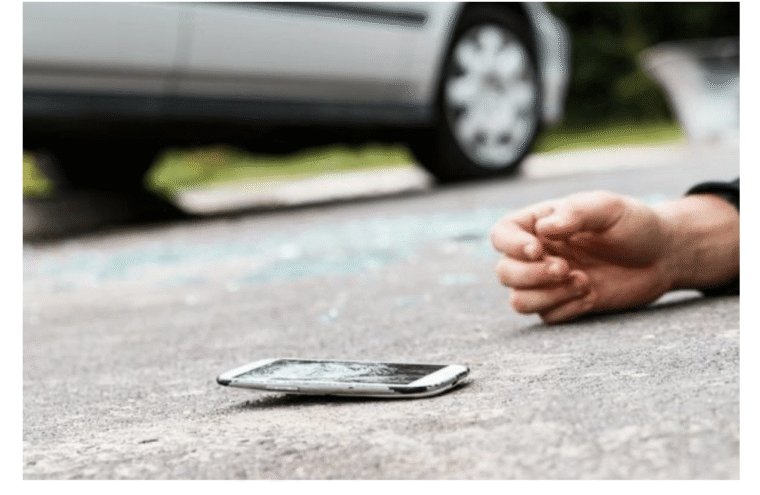
If you’re hit by a car as a pedestrian, compensation is meant to cover your medical bills, lost income, and the overall impact of the injury. In most cases, the at-fault driver or their insurance company pays for those damages.
Roanoke, Virginia, sits along major transportation routes and sees steady vehicle traffic through its downtown areas. The city has a mix of urban streets and pedestrian-heavy zones, especially near schools and business districts. With that kind of environment, pedestrian accidents are a real concern for residents and tourists.
If you’re facing this situation, a Roanoke pedestrian accident lawyer can help you understand your options and next steps. Here’s how the process typically plays out.
Who Pays for the Injuries?
Most pedestrian accident claims follow a fault-based system, meaning the at-fault driver and their insurance pay for damages. This is based on negligence law. Drivers owe a duty of care and are liable if they breach it.
In no-fault states, pedestrians may first use Personal Injury Protection (PIP), but serious cases can still lead to claims against the driver.
States like Virginia still follow contributory negligence. Even a slight fault by the pedestrian can bar recovery, making it crucial to prove the driver was fully responsible.
Types of Compensation Available
Pedestrian accident victims can recover different types of damages depending on the severity of the injury.
Medical expenses are usually the largest component. This includes emergency care, surgeries, medications, rehabilitation, and even future treatment needs.
Lost wages and reduced earning capacity are also common. If the injury prevents someone from working, temporarily or permanently, those financial losses can be included.
Pain and suffering cover the non-economic impact, like physical pain, emotional distress, and loss of enjoyment of life.
Property damage may include personal belongings damaged in the crash, such as a phone or bicycle.
In severe cases involving long-term disability, compensation can be significant because of the lasting impact on daily life.
Why Fault Plays a Major Role
Fault is central to pedestrian accident claims. Drivers must be especially careful in areas with pedestrians, like crosswalks and intersections. For instance, Virginia Code § 46.2-924 requires drivers to yield in crosswalks, and violations often show negligence.
Most states use comparative fault, reducing compensation based on shared responsibility. However, Virginia’s contributory negligence rule is stricter, meaning strong evidence is essential to prove the driver was entirely at fault.
How the Claims Process Works
The process usually starts with medical treatment and proper documentation to prove injuries. Next, a demand letter is sent to the insurance company outlining damages.
Negotiations follow, where insurers assess fault and make settlement offers. Many cases resolve here.
If disputes arise or offers are too low, the case may go to trial. Evidence like police reports, witness statements, and video footage plays a key role in determining the outcome.
Protecting Your Right to Compensation
Insurance companies aim to minimize payouts, so many victims work with a personal injury attorney. A lawyer helps gather evidence, calculate damages, and negotiate fair settlements. If needed, they can take the case to court.
Timing is also critical. Most states have a statute of limitations of one to three years. Missing this deadline can result in losing the right to compensation entirely.
Final Takeaways
- Compensation helps cover financial and personal losses after a pedestrian accident.
- In most cases, the at-fault driver’s insurance pays for damages.
- Medical bills, lost income, and pain and suffering are key components.
- Fault is critical, especially in strict states like Virginia.
- Strong evidence directly impacts the value of a claim.
- Most cases settle, but some go to court if needed.
