
Budget-Friendly Composting in Houston: A Practical Guide to Eco-Living Savings
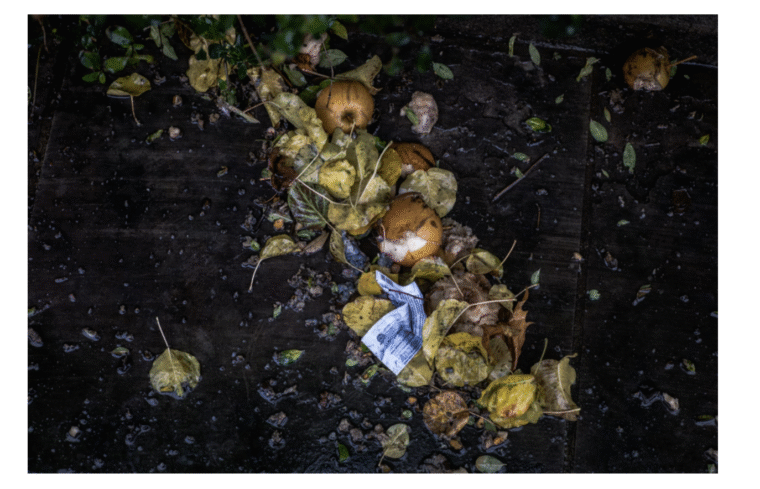
Urban composting has moved from niche environmental practice to mainstream household habit, and Houston residents are leading the charge. The appeal is straightforward: composting transforms kitchen scraps and yard waste into nutrient-rich soil amendment while cutting down on trash bills and landfill contributions. For a city grappling with waste management challenges and rising living costs, composting offers both environmental and economic relief.
This guide explores how Houston households can start composting without breaking the bank, from DIY backyard systems to convenient pickup services that fit busy schedules.
The Environmental Case for Composting in Houston
Houston’s waste infrastructure faces mounting pressure. The city generates over 8,000 tons of municipal solid waste daily, with organic materials comprising roughly 30% of that total. When food scraps and yard trimmings decompose in landfills, they produce methane—a greenhouse gas 25 times more potent than carbon dioxide over a century-long timeframe, according to EPA research on food waste management.
Composting interrupts this cycle by creating aerobic decomposition conditions that produce minimal methane. The benefits extend beyond emissions reduction:
- Waste diversion: Composting keeps organic material out of landfills, extending the lifespan of existing facilities and reducing the need for new disposal sites.
- Soil restoration: Finished compost improves soil structure, water retention, and microbial activity—particularly valuable in Houston’s clay-heavy soils that struggle with drainage.
- Urban heat mitigation: Healthier soil and vegetation supported by compost help counter the urban heat island effect that makes Houston summers increasingly unbearable.
- Stormwater management: Compost-enriched soil absorbs rainfall more effectively, reducing runoff that overwhelms the city’s drainage systems during heavy storms.
The practice also carries financial implications. Houston households that compost can reduce their trash output significantly, potentially qualifying for smaller waste bins and lower monthly fees. Garden centers sell compost for $30-50 per cubic yard—costs that disappear when you produce your own.
Composting Options Across Houston’s Neighborhoods
Houston’s composting landscape has matured considerably over the past five years, offering solutions for various living situations and commitment levels.
Backyard Composting Systems
Traditional backyard composting remains the most economical approach for homeowners with outdoor space. A basic three-bin system built from pallets or wire fencing costs under $50 in materials. Tumbler-style composters, which speed decomposition through easier turning, range from $100-300 depending on capacity.
The process requires minimal ongoing investment—just kitchen scraps, yard waste, and occasional attention to moisture and aeration. Houston’s warm climate accelerates decomposition, with properly maintained bins producing finished compost in 2-4 months compared to 6-12 months in cooler regions.
Subscription Pickup Services
For residents without yard space or the time for hands-on composting, subscription-based services offer convenient pickup of organic waste directly from homes and apartments. These companies typically provide countertop collection bins along with weekly or biweekly pickup schedules, transporting materials to commercial facilities for processing. Happy Earth Compost operates within this model, helping households divert food scraps from landfills while simplifying participation in composting programs. Comparable providers such as CompostNow and Bootstrap Compost also offer subscription-based organic waste collection, often returning finished compost seasonally to subscribers for use in home or community gardening.
Municipal and Community Programs
Several Houston neighborhoods now offer curbside organics collection as part of pilot programs testing citywide expansion feasibility. Residents in participating areas receive dedicated green bins for food scraps and yard waste, collected on the same schedule as recycling.
Community composting sites provide another alternative. These shared facilities, often located in parks or community gardens, accept organic waste from local residents. Volunteers typically manage the composting process, with finished material available for participants to use in their gardens.
Drop-Off Locations
Houston operates several solid waste management facilities that accept yard waste for composting, though most don’t accept food scraps. The city’s neighborhood depositories provide free disposal for yard trimmings, which are processed into mulch and compost available for resident pickup.
Technology Innovations Making Composting More Accessible
Recent technological advances have addressed traditional composting barriers—odor, pests, space constraints, and time requirements—that deterred urban adoption.
- Electric composters have emerged as game-changers for apartment living. These countertop appliances use heat, grinding, and aeration to break down food waste into dry, odorless material within 24 hours. While the output isn’t true compost (it lacks the microbial activity of traditional composting), it serves as an excellent soil amendment. Units cost $300-500 but eliminate the need for subscription services.
- Smart monitoring systems take the guesswork out of traditional composting. Sensors track temperature, moisture, and oxygen levels inside bins, sending alerts to smartphone apps when conditions need adjustment. This technology prevents common problems like anaerobic decomposition (which causes odor) or overly dry piles that stop breaking down.
- Bokashi fermentation systems offer another space-efficient option. These sealed buckets use beneficial microbes to ferment food waste, including meat and dairy that traditional composting can’t handle. The process produces nutrient-rich liquid fertilizer and pre-composted material that finishes breaking down quickly when buried in soil or added to traditional compost bins.
Commercial composting facilities have also advanced significantly. Aerated static pile systems and in-vessel composting technologies process organic waste faster and more efficiently than traditional windrow methods, making large-scale urban composting economically viable.
Starting Your Home Composting System
Beginning composting requires more knowledge than equipment. Success depends on understanding the basic principles that drive decomposition.
Choosing Your Method
Match your composting approach to your living situation and available time:
- Open bins or piles: Best for large yards with abundant space and organic material. Requires more manual turning but costs almost nothing to start.
- Enclosed bins: Ideal for typical suburban yards. Contains material neatly, deters pests, and retains heat for faster decomposition.
- Tumblers: Perfect for those who want finished compost quickly without heavy lifting. The rotating drum makes turning effortless.
- Vermicomposting: Excellent for apartments or small spaces. Red wiggler worms process food scraps in compact bins that fit under sinks or on balconies.
Location Considerations
Place outdoor composting systems on level, well-drained ground with partial shade. Full sun can dry out piles too quickly in Houston’s heat, while deep shade slows decomposition. Position bins within easy reach of both kitchen and garden—convenience determines whether you’ll maintain the habit.
Building the Right Mix
Successful composting balances carbon-rich “brown” materials with nitrogen-rich “greens.” Aim for roughly 3 parts brown to 1 part green by volume:
Brown materials (carbon):
- Dry leaves and pine needles
- Shredded newspaper and cardboard
- Sawdust and wood chips
- Straw and hay
Green materials (nitrogen):
- Fruit and vegetable scraps
- Coffee grounds and tea bags
- Fresh grass clippings
- Plant trimmings
Avoid meat, dairy, oils, and pet waste in home systems—these attract pests and can harbor pathogens. Also skip diseased plants, weeds with seeds, and treated wood products.
Maintenance Basics
Active composting requires three conditions: proper moisture, adequate oxygen, and appropriate temperature. The pile should feel like a wrung-out sponge—moist but not dripping. Turn or mix contents every 1-2 weeks to introduce oxygen and distribute moisture and microbes. In Houston’s climate, well-maintained piles heat to 130-150°F, hot enough to kill weed seeds and pathogens.
Troubleshooting common issues:
- Foul odor: Usually indicates too much moisture or insufficient oxygen. Add brown materials and turn the pile.
- Slow decomposition: May need more nitrogen (add greens), more moisture, or better aeration.
- Pests: Bury food scraps in the center of the pile and avoid adding meat or dairy.
Using Finished Compost Effectively
Compost reaches maturity when it resembles dark, crumbly soil with an earthy smell and no recognizable food scraps—typically 2-6 months depending on method and maintenance. This finished product transforms gardens and landscapes in multiple ways.
- Soil amendment: Mix 2-3 inches of compost into garden beds before planting. This improves soil structure in Houston’s heavy clay, enhancing drainage and root penetration while increasing water retention during dry spells.
- Mulch: Spread 1-2 inches around plants to suppress weeds, moderate soil temperature, and gradually release nutrients. Compost mulch breaks down more quickly than wood chips but provides greater nutritional value.
- Potting mix component: Blend compost with peat moss or coconut coir and perlite for container gardens. Use no more than 30% compost in the mix to avoid excessive moisture retention.
- Compost tea: Steep finished compost in water to create a liquid fertilizer for foliar feeding or soil drenching. This delivers nutrients and beneficial microbes directly to plants.
- For residents in surrounding areas like Kyle, Texas, applying compost addresses similar soil challenges found throughout Central Texas—alkaline pH, low organic matter, and poor water infiltration.
Connecting With Houston’s Composting Community
Houston’s composting practitioners have built a supportive network that makes starting easier and more sustainable.
The Houston Compost Council hosts monthly meetups where experienced composters share techniques and troubleshoot problems. These gatherings often include bin tours where members showcase their systems and discuss what works in Houston’s specific climate.
Urban Harvest offers regular composting workshops covering everything from basic backyard systems to advanced vermicomposting. The organization also maintains demonstration gardens where visitors can see various composting methods in action.
Several community gardens throughout Houston operate shared composting sites. Members bring their organic waste to central bins, with finished compost distributed among participants. This arrangement works particularly well for apartment dwellers who want to compost but lack space for home systems.
Online forums and social media groups provide ongoing support and advice. The “Houston Composters” Facebook group has over 3,000 members who share tips, troubleshoot problems, and coordinate material swaps—connecting those with excess brown materials to others with surplus greens.
Making Composting a Lasting Habit
Starting composting is straightforward; maintaining the practice requires building it into household routines. Keep a small container with a tight lid on the kitchen counter for daily scraps. Empty it into your outdoor bin or pickup bucket every few days before odors develop.
Track what you’re diverting from the trash. Many households find they’ve reduced garbage output by 30-40% within the first few months—a tangible result that reinforces the habit. Some families turn this into a game, challenging themselves to minimize their weekly trash bin contents.
Connect composting to other sustainability practices. Use finished compost to grow vegetables, reducing grocery costs and food miles. Share excess compost with neighbors, building community connections while spreading the practice.
The environmental impact of individual composting may seem modest, but collective action creates meaningful change. If just 10% of Houston households composted their organic waste, the city would divert over 200,000 tons annually from landfills—equivalent to taking 40,000 cars off the road in terms of greenhouse gas reduction.
Whether you start with a simple backyard pile, subscribe to a pickup service, or join a community composting program, you’re participating in a practical solution to waste management and soil health. The financial savings and garden improvements are immediate; the environmental benefits compound over time.
