
How Seniors Can Stay Safe and Independent at Home
Key Takeaways
- Identify and mitigate common household hazards to prevent falls and injuries.
- Utilize technology and community resources to support daily living and emergency situations.
- Regular health check-ups and physical activity are essential for sustaining independence.
Table of Contents
- Conducting a Home Safety Assessment
- Implementing Fall Prevention Strategies
- Establishing Emergency Preparedness Plans
- Leveraging Technology for Safety
- Maintaining Health and Wellness
- Fostering Social Connections
- Utilizing Community Resources
- Conclusion
Maintaining independence at home is a top priority for many older adults. Taking practical steps to enhance safety and comfort not only reduces risks but also encourages confidence in daily living. By proactively addressing potential hazards and using resources such as an emergency response system, seniors can gain greater peace of mind for themselves and their loved ones.
Staying in a familiar home environment does not have to mean sacrificing safety. With the right adjustments, technology, and social support, seniors can enjoy both security and autonomy. Regular assessments, adapting living spaces, and connecting with helpful services make all the difference.
From household modifications to maintaining an active social life, every aspect plays a part in supporting independent living. Recognizing the available support systems and staying informed about safety best practices can empower seniors to thrive while living at home.
Many organizations offer expert advice and guidance to keep seniors safe and support their well-being. Making full use of these resources ensures that individuals can remain in control of their environment as they age.
Conducting a Home Safety Assessment
Start by thoroughly evaluating your living space for hazards that could lead to accidents. Pay close attention to loose rugs that may slip, cluttered walkways that can cause tripping, and areas with poor lighting where visibility is reduced. Making simple changes, such as replacing dim bulbs or clearing pathways, can have a significant impact on everyday safety.
Some health agencies offer comprehensive checklists and guidance on home safety for aging adults. The Centers for Disease Control and Prevention (CDC) provides a useful home fall-prevention checklist to help identify specific risks.
Implementing Fall Prevention Strategies
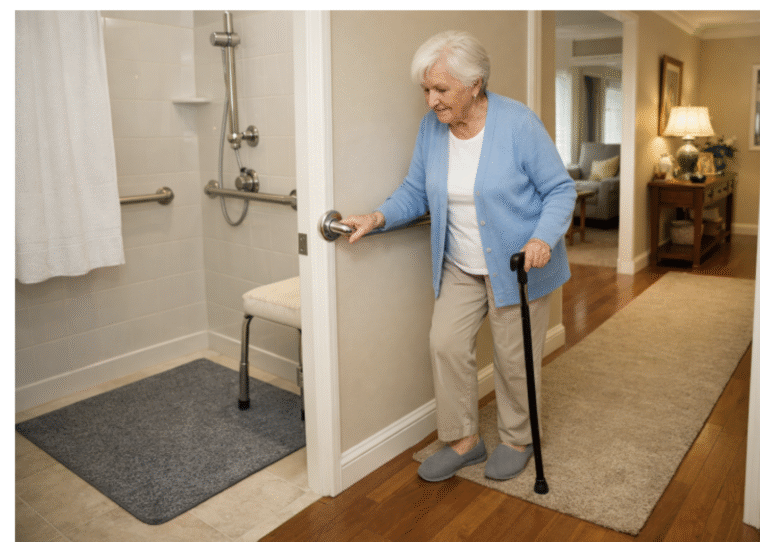
Falls are a significant cause of injury among older adults, necessitating effective prevention strategies that include environmental modifications and physical stability support. Key recommendations include installing sturdy grab bars in bathrooms and handrails on staircases for additional support, using non-slip mats in bathrooms and kitchens, and covering any slippery surfaces. Additionally, grab bars should be placed near toilets and inside showers or bathtubs, while non-slip mats are recommended on tile or hardwood floors where water may accumulate. To enhance safety and ease for seniors, it is advisable to keep frequently used items within easy reach to minimize the risk of dangerous stretching or climbing. The National Institute on Aging provides further guidance on reducing fall risk.
Establishing Emergency Preparedness Plans
Being prepared for emergencies is vital for seniors living alone. Display emergency contact numbers, including those of close relatives and medical professionals, in accessible areas. Consider signing up for services that offer instant communication in the event of a medical crisis. These tools enable help to be summoned quickly, which is crucial when seconds matter.
Practice what to do in emergencies such as fire, medical incidents, or severe weather. Let neighbors or trusted friends know about your plan, and revisit it regularly so you can act swiftly if needed.
Leveraging Technology for Safety
Today’s technology provides significant support for seniors who wish to remain independent at home. Medical alert systems can detect falls or send alerts if help is needed. Smart home devices enable remote control of lights and thermostats, enhancing safety and comfort. Medication reminder systems also make it easier to keep track of prescription schedules and dosages.
- Medical alert devices detect emergencies and allow users to contact help immediately.
- Smart plugs and voice-activated systems improve accessibility and reduce physical strain.
- Apps and digital reminders support medication management and adherence to medical advice.
Maintaining Health and Wellness
Staying healthy is a cornerstone of independence. Schedule regular check-ups with healthcare providers to monitor and manage any health issues. Physical activities like walking, swimming, or gentle yoga build strength, improve balance, and reduce fall risk. It also contributes to mental well-being and helps maintain flexibility.
Consider group exercise classes designed for seniors, or personal training sessions tailored to individual needs. Staying mentally active is just as important. Activities such as reading, puzzles, or learning new skills are invaluable for cognitive health.
Fostering Social Connections
Maintaining active social relationships combats loneliness and its associated health risks. Participate in community activities, join clubs, or volunteer in local programs. Regularly connect with friends and family via calls or video chats to maintain engagement.
Attending social events or group gatherings provides emotional support and builds a sense of belonging. For those who are less mobile, many organizations offer virtual meetups, making it easier to stay connected from home.
Utilizing Community Resources
Explore available community resources that are designed to make independent living safer and more comfortable. Local agencies may offer transportation services, meal delivery, or help with home maintenance for seniors. These services provide vital support for those who wish to age in place.
Contact your local Area Agency on Aging or visit reputable organizations such as AARP to discover services and benefits specific to your community.
Conclusion
Ensuring a safe home environment for seniors involves proactive adjustments and the embrace of supportive technologies and resources. By addressing specific concerns, maintaining strong social networks, and taking advantage of available services, seniors can confidently remain independent and secure in their homes. Regular assessments and a willingness to adapt are essential to achieving this goal and enhancing overall quality of life.
