
How Weather Conditions Can Affect The Condition Of A Home
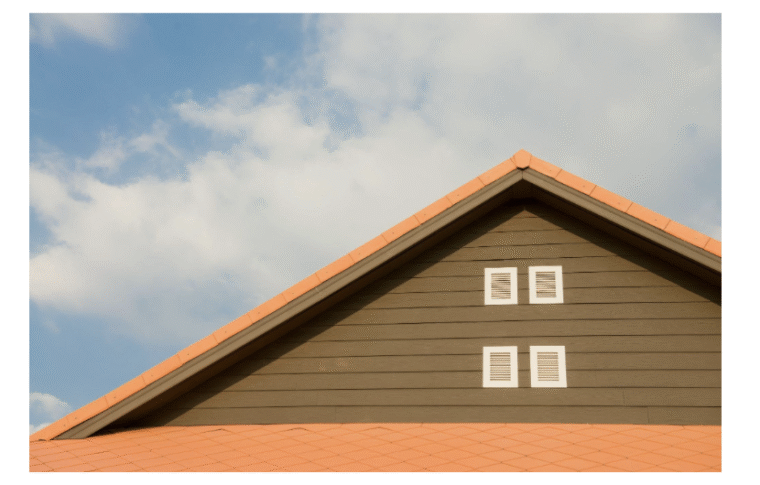
A house can appear perfectly fine from the street, while small weather-related issues quietly settle into its structure. One heavy rainstorm may leave a faint stain on the ceiling. A week of dry heat may cause tiny cracks to spread across exterior walls. These changes are often ignored because they arrive slowly, in a blink-and-miss-it manner, instead of through sudden destruction. That is why the weather cannot be treated as background noise. It shapes how a home ages, how materials react and how expensive future repairs may become.
Many homeowners notice damage only after comfort has been affected. A room may begin to feel damp, certain windows may refuse to shut properly or paint may peel without warning. Have those little signs ever been brushed aside because they seemed harmless? In many cases, the weather has already started influencing the home long before visible damage appears.
From freezing nights to humid afternoons, every condition leaves a mark somewhere. Some effects remain cosmetic, while others move deep into the structure. Understanding how different weather patterns affect a property can help spot problems earlier.
Rain Has A Way Of Finding Weak Spots
Water damage is rarely caused by dramatic flooding alone. Small leaks are often responsible for larger structural problems because moisture can travel quietly through ceilings, insulation and wooden framing. Once trapped, it may remain hidden for long periods.
A neglected roof is commonly involved in these situations. In many homes, professional roof repair becomes necessary after repeated exposure to storms, clogged gutters or loose shingles. Even minor openings can allow moisture to enter the attic, where mold growth may later be discovered. The damage is usually spread further when ventilation is poor.
Heavy rainfall also affects foundations. Soil surrounding a property expands when soaked, then contracts during dry conditions. Pressure may be placed against the basement walls and fine cracks may begin to appear. In older homes, this movement is often underestimated until doors stop closing properly or floors begin to slope.
Drainage systems should also be checked regularly because blocked downspouts allow water to collect near the base of the home. When water is repeatedly pooled in one area, erosion may occur and structural stability can be weakened. Small inspections, carried out before storm season arrives, are usually far less expensive than major restoration work.
Hot Weather Can Wear A Home Down Quietly
Heat damage is often ignored because it develops slowly and without obvious warning signs. High temperatures and constant sun exposure can cause roof shingles to curl, wood to dry out and window sealants to crack. Exterior paint is also faded gradually, especially on surfaces exposed to direct afternoon sunlight. Once those protective layers weaken, moisture can enter more easily during rainy weather.
Inside the home, cooling systems are placed under added pressure during long heat waves. Poor ventilation may trap humidity indoors, making certain rooms feel stuffy and uncomfortable. That excess moisture can encourage mold growth in hidden areas. Heat also affects flooring, as hardwood may expand during humid conditions and shrink when air becomes dry. In the attic, trapped heat caused by poor insulation can shorten the lifespan of roofing materials and raise energy costs throughout the house.
Cold Snaps And Snow Bring Their Own Problems
Winter weather places heavy strain on a home because freezing temperatures cause materials to contract and weaken existing cracks. Water becomes especially damaging during cold conditions since it expands when frozen. Pipes are often affected during severe cold spells, as frozen water creates pressure that may cause them to burst once temperatures rise again.
Snow buildup on roofs should also be watched carefully. Excess weight can stress weaker sections of the structure, especially in older homes. Ice dams may form when melting snow refreezes near gutters, forcing water beneath shingles and into the house.
Several areas deserve extra attention during the winter months:
- Attic insulation should be inspected to reduce heat loss
- Exterior pipes should be protected from freezing temperatures
- Gutters should be cleared before snowfall begins
- Window seals should be checked for drafts and moisture buildup
- Roof surfaces should be monitored after heavy storms
Humidity Changes More Than Comfort Levels
Humidity affects far more than indoor comfort. It changes how a house feels, smells and functions from season to season. Excess moisture in the air may encourage mold growth, weaken wood and create conditions where allergens spread more easily.
In humid climates, condensation is commonly formed on windows, pipes and poorly insulated walls. Once moisture settles into surfaces repeatedly, staining and mildew may appear. Fabrics may also carry a damp smell that seems difficult to remove. This is why ventilation should never be treated as a minor issue.
Keeping your home’s air clean becomes more difficult when humidity levels remain high for extended periods. Dust mites thrive in damp environments and mold spores may circulate through air ducts if moisture problems are ignored. Have unexplained allergy symptoms ever become worse inside the house during humid weather? Indoor air quality may already be affected.
Wooden structures react strongly to moisture changes as well. Cabinets may swell slightly, doors may stick and flooring may shift underfoot. While these signs can appear harmless, long-term exposure to humidity may weaken materials gradually.
Dehumidifiers, attic ventilation and proper airflow are often recommended because they reduce trapped moisture before larger issues develop. A balanced indoor environment helps preserve both the structure of the home and the comfort of the people living inside it.
A Home Reflects The Climate Around It
Every season leaves its mark on a home. Rain weakens hidden areas, heat stresses surfaces and winter weather tests materials that already contain wear. Humidity also affects air quality and structural stability, often without obvious warning signs.
Many weather-related issues are discovered only after damage has spread further than expected. A small roof problem, blocked gutter or minor foundation crack can quickly become more serious when weather conditions continue to apply pressure. Homes constantly react to changing temperatures and moisture levels, which is why regular inspections and timely maintenance matter so much.
