
The Rise of Indoor Retreat Living During Warmer Months
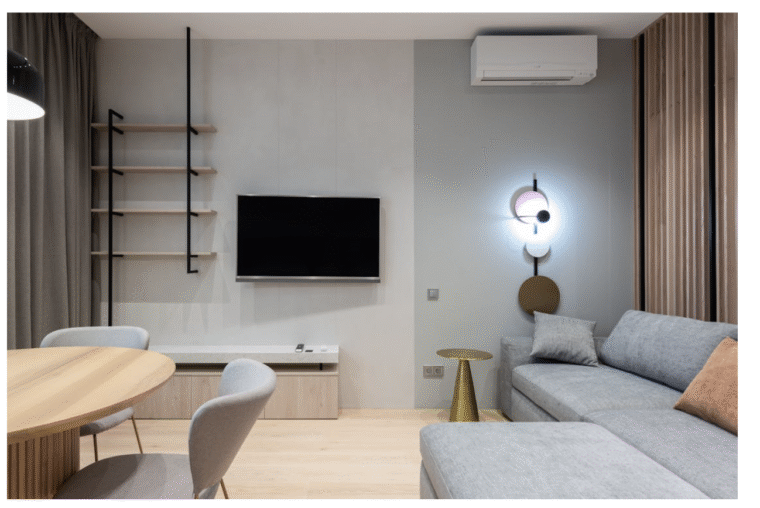
Summer at home feels different lately. People are spending less time trying to escape the heat through packed restaurants, shopping trips, or nonstop weekend plans and are putting far more energy into making their homes feel genuinely comfortable instead. Once temperatures stay high for weeks at a time, daily routines start slowing down.
Homes are turning into retreat spaces during warmer months instead of simply functioning as places to cool down temporarily. Softer lighting, cooler fabrics, improved airflow, and slower indoor habits are becoming part of how people experience summer now.
Reliable Cooling
A house may have beautiful furniture, calming colors, and carefully designed rooms, but if one area feels stuffy while another never cools properly, the entire atmosphere starts feeling uncomfortable. During hotter months, especially, poor airflow creates a low-level frustration that people feel constantly without always realizing it directly. Rooms become harder to relax in, sleep feels interrupted, and even simple daily routines start feeling more exhausting once the house traps heat throughout the afternoon.
Reliable cooling systems completely change the feel of a home during summer. Consistent airflow, balanced indoor temperatures, and proper humidity control help rooms feel calmer almost immediately because the environment stops fighting against comfort all day long. Many homeowners now contact air conditioning repair experts before making larger interior updates because cooling performance affects every part of indoor living once temperatures stay high outside for long periods. Once the air inside feels stable and breathable again, people naturally spend more time resting, reading, working, and relaxing indoors without constantly searching for ways to escape the heat elsewhere. Looking up air conditioning companies near me can help homeowners find the right experts.
Spare Room Retreats
Unused rooms are finally getting a real purpose during warmer months. For years, spare bedrooms often turned into clutter storage, forgotten guest spaces, or random overflow areas that barely served any meaningful daily function. Now people are redesigning those quieter corners of the house into small retreat spaces where they can step away from noise, screens, and constant activity during long, hot afternoons.
A simple chair near a shaded window, softer lighting, lighter fabrics, or a small reading setup completely changes how a spare room feels during summer. People are building spaces specifically meant for slowing down instead of constantly multitasking. Some use them for reading, journaling, music, or afternoon naps, while others simply want one room in the house that feels visually quiet compared to louder common areas.
Softer Lighting
Lighting affects the summer atmosphere inside a house much more than most people realize. Bright overhead fixtures can make rooms feel hotter, harsher, and more overstimulating during already warm afternoons. A lot of homes accidentally create a tense environment simply because the lighting stays too intense throughout the day and evening, especially once direct sunlight already fills the room for hours at a time.
Softer lighting choices help indoor spaces feel noticeably calmer during warmer months. Table lamps, wall sconces, dimmers, and warmer-toned bulbs create a gentler atmosphere that feels far less draining by late afternoon. Evenings become much more relaxing once the house stops feeling fully illuminated from every angle. People linger longer in living rooms, spend less time glued to screens, and settle into calmer nighttime habits once lighting stops overwhelming the space visually.
Lightweight Materials
Heavy fabrics feel completely different once summer heat settles in for weeks at a time. Thick blankets, dark upholstery, dense curtains, and bulky textures may feel cozy during colder seasons, but they can quickly make rooms feel visually heavy and physically warmer during hotter months. A lot of homes unintentionally trap that heavy feeling indoors because winter-focused materials stay in place long after temperatures rise outside.
Lighter materials completely change the mood of a room during summer. Linen bedding, breathable cotton fabrics, lighter curtains, woven textures, and softer upholstery help spaces feel cooler without requiring major design changes. The visual atmosphere becomes more open and relaxed because the room no longer feels weighed down by dense layers everywhere.
Reduced Screen Fatigue
Summer heat often changes attention spans. Long afternoons spent indoors scrolling endlessly through phones or sitting in front of televisions often leave people feeling mentally drained much faster than expected. Many homeowners started noticing that constant screen exposure felt even heavier during warmer months because people were already spending more time indoors trying to stay cool throughout the day.
Indoor retreat spaces help interrupt that cycle by creating environments that support quieter habits instead. Comfortable reading corners, calmer living rooms, softer lighting, and lower stimulation layouts encourage people to slow down without needing constant entertainment running in the background. More homeowners are intentionally designing indoor spaces where conversation, reading, music, or simply resting feels easier than automatically reaching for another screen.
Calm Bedrooms
Bedrooms are becoming much more intentional during warmer months because people are finally realizing how heavily heat affects sleep quality. A room that feels cluttered, overheated, bright, or visually busy during summer nights can make rest feel frustrating even after a long day. Thick bedding traps warmth, dark furniture absorbs heat visually, and too much furniture around the room can make the entire space feel heavier once temperatures stay high overnight.
Calmer bedroom layouts help create a completely different nighttime atmosphere. Lightweight bedding, breathable fabrics, cleaner furniture arrangements, blackout curtains, and improved airflow all help the room feel cooler and quieter before sleep even begins. More homeowners are reducing visual clutter inside bedrooms, too, because overstimulating spaces tend to feel mentally tiring during hot weather.
Fragrance and Airflow
Heavy indoor air, trapped humidity, lingering cooking smells, and poor ventilation can quickly make even clean spaces feel uncomfortable after a few hot days. A lot of people focus heavily on visual updates during warmer months while forgetting how strongly scent and airflow affect whether a room actually feels refreshing to spend time inside.
Lighter fragrances and better air movement completely shift the feeling of indoor spaces during summer. Open circulation, ceiling fans, cleaner ventilation, and softer scents help the house feel breathable instead of heavy. Fresh linen fragrances, citrus notes, natural candles, and lighter indoor scents tend to feel much more calming during hotter months compared to stronger winter-style fragrances.
Quiet Hobbies
Long summer afternoons are pushing more people toward slower indoor hobbies again. Once temperatures become too intense outside, many homeowners spend less time rushing around and more time creating quieter routines indoors instead. Reading, sketching, journaling, puzzles, crafting, music, and slower creative hobbies are becoming part of indoor retreat living because they naturally fit the calmer atmosphere people now want at home during hotter months.
Such quieter hobbies work especially well inside homes designed around comfort instead of constant stimulation. Softer lighting, cooler rooms, calmer layouts, and reduced visual clutter help people focus longer without feeling mentally drained so quickly.
Indoor retreat living is reshaping warmer months by turning homes into spaces that feel cooler, quieter, and mentally easier to exist in during long stretches of heat. Better airflow, softer lighting, calmer layouts, lighter materials, and slower routines are helping people experience summer in a way that feels comfortable.
