
Comparing Hair Loss Treatment Options in India by Cost and Result
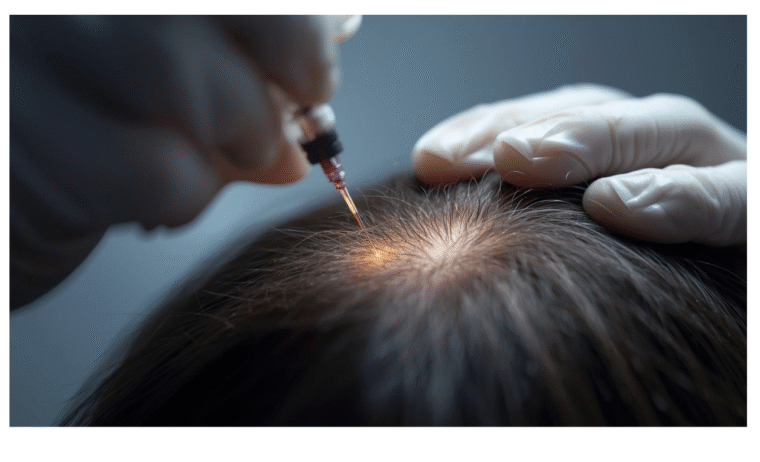
Hair loss is one of those problems that sneaks up on you. You notice a little extra hair on your pillow, then on the comb, then in the shower drain. By the time most people start looking for solutions, they’ve already lost significant ground. And the moment you start searching, you’re hit with an overwhelming number of options — from shampoos to serums to surgeries — each claiming to be the answer. The real challenge isn’t just finding a treatment. It’s figuring out which one is worth your time and money.
Why Hair Loss Treatments Are So Hard to Compare
The problem with comparing hair loss treatments isn’t the lack of options — it’s that most people compare them on price alone, without understanding what each treatment actually does or who it works for. A Rs. 200 shampoo and a Rs. 2 lakh hair transplant are solving different things at different stages of hair loss. Putting them in the same conversation without context leads to poor decisions and wasted money.
Before comparing costs, you need to understand one thing: hair loss has a root cause. Whether it’s DHT sensitivity, nutritional deficiency, scalp inflammation, hormonal imbalance, or chronic stress — the treatment that addresses your specific cause is the one that will actually work. Everything else is maintenance at best.
Over-the-Counter Products: Low Cost, Limited Scope
Most people start here. Anti-hairfall shampoos, biotin supplements, oil blends — they’re accessible, affordable, and feel like a safe first step. These products typically range from Rs. 200 to Rs. 1,500 per month.
The issue isn’t that they don’t work at all. Some ingredients like ketoconazole, saw palmetto, and biotin do have supporting evidence. But OTC products treat the surface. They can reduce scalp irritation or plug minor nutritional gaps, but they cannot reverse pattern baldness or fix a hormone imbalance. If your hair loss has an internal cause — and it often does — no shampoo will stop it.
Minoxidil and Finasteride: The Clinical Standard
These are the two most widely recommended medical treatments for androgenetic alopecia (pattern hair loss). Minoxidil is a topical solution that stimulates blood flow to hair follicles. Finasteride is an oral medication that blocks DHT, the hormone responsible for follicle miniaturisation in genetically susceptible individuals.
Monthly costs typically range from Rs. 500 to Rs. 2,000 depending on brand and dosage. They do show results — but only while you’re using them. Stop the medication, and hair loss often returns within months. Finasteride also carries a side effect profile that requires medical supervision, including potential effects on libido and mood in some men. These are real treatments, but they’re also long-term commitments, not cures.
Hair Transplants: One-Time Cost, One-Time Procedure
Hair transplant surgery — FUE being the most common technique — is the most expensive option, ranging from Rs. 40,000 to Rs. 2,00,000 or more depending on the number of grafts and the clinic. It’s a surgical procedure that moves healthy follicles from the back of the scalp to thinning areas.
The results can look natural and are generally permanent for transplanted hair. However, the procedure doesn’t stop the underlying hair loss process. Existing hair around the transplanted area can continue thinning, which means some people need multiple sessions or ongoing medication to protect non-transplanted follicles. It’s a significant financial and physical commitment.
Holistic and Integrated Approaches
What’s gaining traction — and evidence — is the idea that hair loss needs to be addressed from the inside out, not just with topical products or surgery alone. Integrated approaches combine blood work, scalp assessment, dietary correction, stress management, and targeted treatments based on an individual’s specific deficiencies or hormonal patterns.
This is where something like Traya fits in. Rather than defaulting to a single product or procedure, their approach identifies root causes first and builds a personalised treatment plan around them — combining Ayurvedic, nutritional, and medical inputs where needed. For people who’ve tried shampoos and seen no results, or who want to avoid medications with side effects, this kind of structured, cause-first method makes practical sense. A detailed Traya vs other hair treatments cost breakdown can help you understand how these approaches compare financially as well.
Final Thoughts
There’s no single best treatment for hair loss — only the right treatment for your type and stage of hair loss. The smartest thing you can do before spending money is understand what’s actually driving your hair loss. From there, matching a solution to a cause becomes much more straightforward than comparing price tags in isolation.
