
How Classroom Design Helps Wallingford Children Explore, Create, and Discover
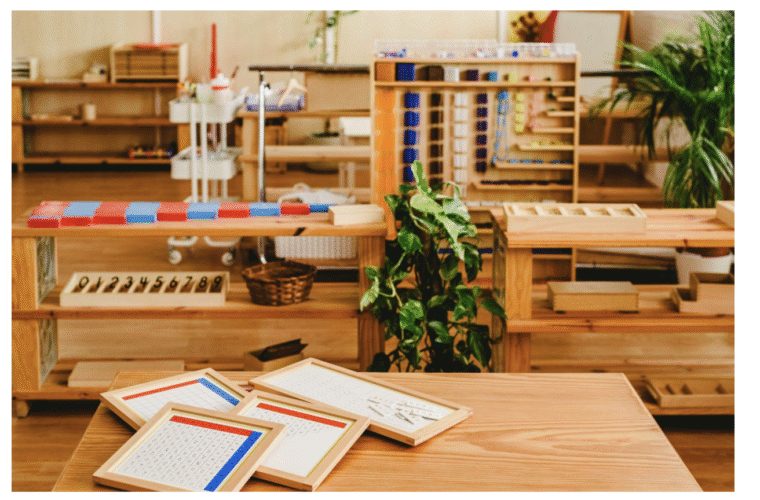
Walk into a well-designed early childhood classroom, and you will notice something right away: children are busy. Not because someone told them to be, but because the space itself invites them in. The way a room is set up, what goes on the shelves, how the light falls, where the tables sit, all of it shapes how young children think, move, and grow. When you understand the link between classroom design and child development, you start to see early learning environments in a whole new way.
Why the Physical Space Matters More Than You Think
A quality daycare in Wallingford is not designed to look like a traditional classroom, and that is intentional. That is by design. Research in early childhood education shows that the environment acts as a third teacher, right alongside the adults in the room. Children learn through their senses and through movement, so a space that is thoughtfully arranged gives them more chances to engage, practice, and discover on their own terms.
When the physical layout is intentional, children feel safe enough to take small risks. They try the puzzle even if it looks hard. They pour water carefully because the sensory table is set at just the right height. They settle into a quiet corner with a book because that cozy nook tells their body it is okay to slow down. The room itself communicates, and children listen.
How Learning Zones Support Different Types of Play
Good classroom design uses defined zones to support different kinds of play and learning. Each area has a clear purpose, and children learn to move between them with growing independence. Common zones you will find in high-quality early learning classrooms include:
- A dramatic play area where children act out real-world scenarios like cooking, shopping, or caring for babies
- A building zone stocked with blocks, loose parts, and connecting materials
- An art space with accessible supplies that children can use without always asking for help
- A reading nook or library corner with soft seating and books at eye level
- A sensory or science table that changes with the seasons or current topics of interest
Each of these zones tells a child what kind of thinking is welcome there. The building area says: figure things out, try again, make something. The reading nook says: slow down, imagine, be still. When children can move between zones freely, they learn to read their own needs and make choices that support their focus and mood.
The Role of Materials in Sparking Curiosity
What you put in a classroom matters just as much as how you arrange it. Open-ended materials, things that can be used in more than one way, tend to keep children engaged longer and encourage more creative thinking. A bin of wooden blocks, a set of fabric scraps, a collection of smooth stones: these items do not come with instructions, which means children have to supply the ideas themselves. That is exactly where creativity takes root.
Materials that are organized and stored at a child’s level send another message, too. They tell children: You are trusted to handle this. You can get what you need. You can put it back when you are done. That kind of independence builds confidence over time, and it also keeps classroom life running smoothly because children learn responsibility alongside everything else.
How Light, Color, and Sound Shape the Learning Mood
You might not think about lighting when you walk into a classroom, but young children feel it. Harsh overhead lights can make a room feel tense. Natural light from windows, soft lamps in a reading corner, or even a small light table in a science area can make a space feel calm and welcoming. The same goes for color. Muted, earthy tones on the walls tend to help children focus, while too many bright patterns can overstimulate and distract.
Sound is another layer that thoughtful educators consider. Rugs and soft furnishings absorb noise and keep the room from feeling chaotic. When children can hear themselves think, and hear each other talk, conversations deepen and play gets richer. A room that is too loud shuts down communication. A room with just the right amount of soft sound encourages it.
How Outdoor Spaces Extend the Learning Environment
Great classroom design does not stop at the door. Outdoor learning spaces, when set up thoughtfully, offer a different kind of classroom altogether. Gardens where children dig and plant, open areas where they can run and jump, and shaded spots where small groups can gather to talk or build all give children experiences that indoor spaces simply cannot replicate. Fresh air, natural textures, and open sky all play a role in healthy development.
Outdoor play also supports the kind of big-body movement that young children need every single day. Climbing, balancing, spinning, and rolling are not just fun. They build the neural pathways that later support reading, writing, and focused attention. When outdoor time is treated as seriously as indoor learning, children get the full picture of what it means to grow and discover.
A Well-Designed Space Sets Children Up to Thrive
When you choose an early learning environment for your child, pay close attention to the space itself. Look at how the room is arranged, what materials are available, how the light feels, and whether children seem genuinely engaged. Investing in your child’s future starts with choosing a classroom that supports how they learn, think, and connect with others. A thoughtfully designed space also gives children room to take small risks, build confidence, and discover what they are capable of.
