
Going Blonde the Right Way: How to Avoid Damage During the Blonding Process
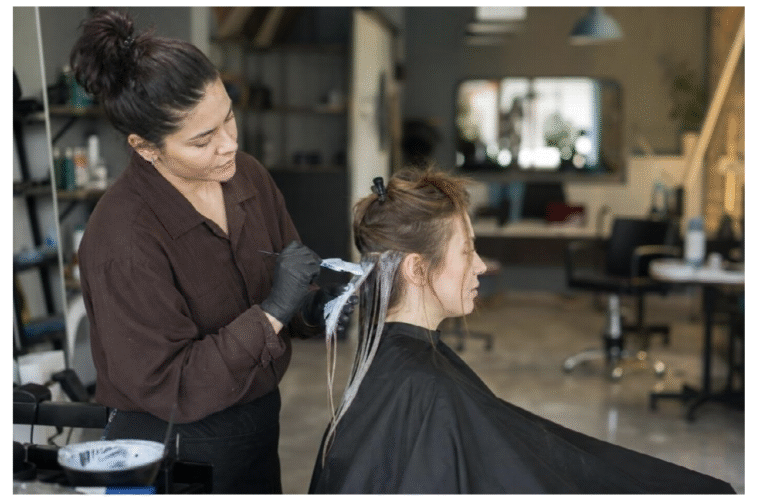
Going blonde is one of the most technically demanding color services a stylist can perform. Done correctly, the process preserves the integrity of the hair shaft while achieving even, lasting lift. Done incorrectly, it causes breakage, uneven tone, and long-term structural damage that can take months to correct. David Ryan Salon, located in Trophy Club, TX, holds a 4.9/5 rating across more than 1,200 client reviews, a record built on precise color work and damage-conscious technique.
Why the Blonding Process Requires Precision
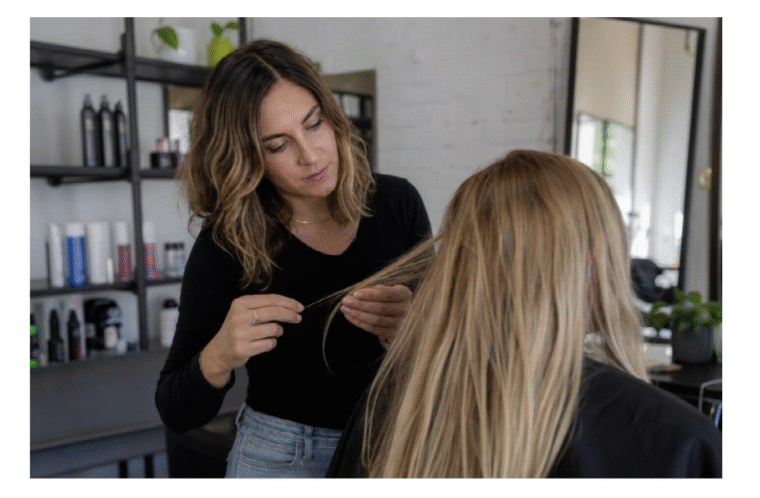
Bleach does not coat the hair. It penetrates the cuticle layer and oxidizes melanin within the cortex, altering the hair shaft’s structural integrity at a molecular level. The alkaline pH forces the cuticle to lift, making developer volume selection and application timing critical variables. Miscalculating either can cause irreversible cortex damage.
A professional blonding consultation begins with evaluating porosity, elasticity, and starting level before any product is applied. David Ryan Salon grounds its consultation process in this kind of pre-service analysis, serving clients across Trophy Club, Roanoke, Westlake, and Southlake with a process built on measurable hair health indicators rather than assumptions.
What Happens to Your Hair During the Blonding Process
How Bleach Interacts with the Hair Cortex
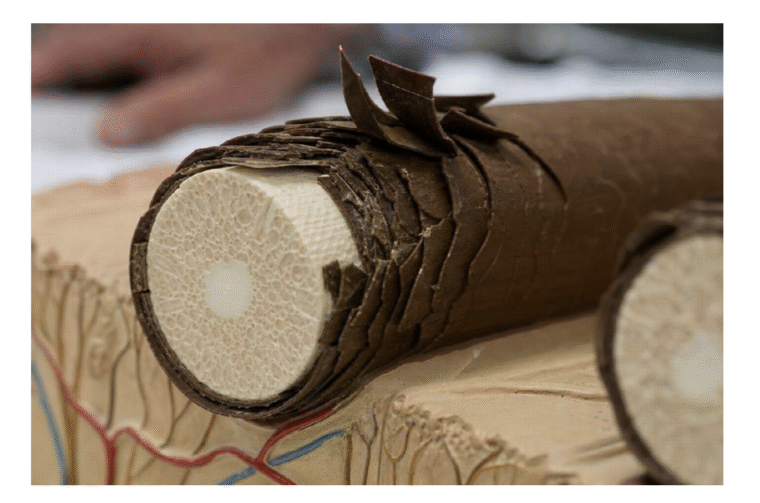
Once the cuticle lifts, the developer’s oxidizing agents penetrate the cortex and begin breaking down melanin. Developer volume, 10, 20, 30, or 40, controls the rate of lift and degree of cuticle disruption. Higher volumes increase penetration speed and damage risk. Extended processing time compounds this, leaving the cortex porous and weakened in ways conditioning cannot fully reverse. A skilled colorist often chooses a lower-volume developer with a longer, monitored process to protect fine or previously treated hair.
The Role of Melanin Removal
The cortex contains eumelanin (dark brown and black tones) and phaeomelanin (red and yellow tones). Eumelanin oxidizes first, producing the predictable sequence from black through brown, red, orange, yellow, and pale yellow. This process is irreversible, making proper aftercare essential from the first application. Denton County’s hard water clings to lightened hair and dulls cool toners faster than soft water, while UV exposure from outdoor activity around Grapevine Lake oxidizes blonde toward brassiness. Developer volume and toning schedules must be calibrated for each individual’s hair condition and these local factors. David Ryan Salon‘s color services account for these variables during every consultation.
Frequently Asked Questions
How Many Sessions Does It Take to Go Blonde Safely?
Session count depends on starting level, target level, and current hair condition. Clients beginning at level one through four typically require two to four separate lightening sessions, spaced four to six weeks apart. Attempting platinum from a dark base in a single appointment places extreme oxidative stress on the cortex and almost always causes breakage. Spacing sessions allows the hair to recover and gives stylists the opportunity to reassess porosity and elasticity before each subsequent service.
Can I Bleach My Hair at Home and Get the Same Results?
Retail bleaching kits omit strand testing, elasticity assessment, and developer volume customization. Professional stylists also have access to bond-building additives that protect disulfide bonds during oxidation, products absent from retail kits. These additives reduce internal protein loss during lightening, a significant factor in avoiding damage. Without these protocols, at-home applications frequently produce uneven lift, excessive porosity, and breakage requiring corrective work.
What Is the Difference Between Balayage and Full Blonding?
David Ryan Salon’s balayage service uses a freehand painting technique applied selectively to chosen sections, producing a graduated result with softer regrowth and less chemical overlap on previously processed ends. Full blonding applies lighter globally to achieve uniform lift across the entire head. Balayage involves less scalp contact and lower commitment, while full blonding suits clients seeking an even, all-over result. The recommendation between the two is based on the client’s natural growth pattern, hair density, and target outcome.
How Often Should I Visit the Salon to Maintain Blonde Hair?
Toning or gloss services every four to eight weeks maintain color clarity and neutralize brassiness. A full lightening refresh is typically scheduled every eight to twelve weeks, depending on regrowth rate and degree of lift. Trophy Club’s hard water and humid summers accelerate toner fade, meaning local clients often need the shorter end of the toning interval to preserve cool, clear blonde tones.
Is Blonding Safe for All Hair Types?
Blonding is viable for most hair types, but the protocol must be tailored to the individual’s condition. Heavily processed, heat-damaged, or very fine hair requires lower-volume developers, shorter processing times, and additional bond-building support. A thorough pre-service consultation assesses porosity and elasticity before any chemical application, determining whether a client is a candidate for same-day lightening or requires a preparatory conditioning phase first. David Ryan Salon conducts this assessment as a standard part of every consultation.
About David Ryan Salon
David Ryan Salon is a full-service hair salon located in Trophy Club, Texas, serving clients throughout Trophy Club, Roanoke, Westlake, and Southlake. The salon specializes in color services including blonding, balayage, and corrective color, and holds a 4.9/5 rating across more than 1,200 client reviews. It operates within the suburban Dallas-Fort Worth corridor, serving the 76262 zip code and surrounding areas.
Each color plan is built around the client’s measurable hair condition and the realities of local water and climate. Schedule a blonding consultation with David Ryan Salon to have porosity, elasticity, and starting level assessed in person before any lightening begins.
Business Name: David Ryan Salon
Address: 2210 Texas 114 Suite 240, Trophy Club, TX 76262
Phone Number: (817) 290-6557
