
What You Should Know Before Trying Microneedling for Skin Texture and Tone
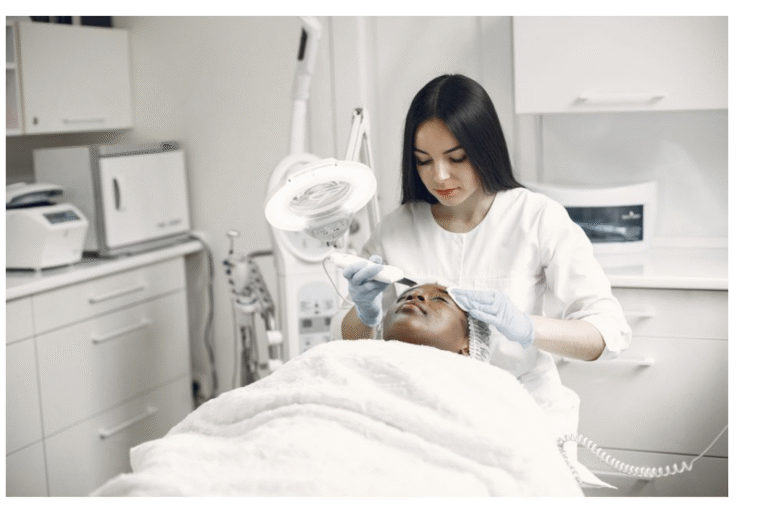
Your skin can look dull, uneven, or a little tired for plenty of reasons, and not all fixes need to be dramatic. If you live in Oakland, you’ve probably seen how many cosmetic treatment options are available. Microneedling keeps coming up because it sits in that sweet spot between basic facials and more invasive procedures, offering visible results without turning your schedule upside down.
What microneedling actually does to your skin
Microneedling sounds intense at first. Tiny needles meeting your face doesn’t exactly scream relaxing afternoon. Still, the treatment is pretty straightforward.
A microneedling device creates controlled micro-injuries in your skin. Your body responds by producing more collagen and elastin, which are the structural proteins that help keep skin firm, smooth, and resilient. Think of it as nudging your skin into repair mode, not attacking it.
People usually look into microneedling for concerns like:
– Acne scars
– Fine lines
– Enlarged pores
– Mild skin laxity
– Uneven skin tone
– Rough texture
Results don’t arrive overnight. Your skin needs time to rebuild. That delayed payoff can actually be a good sign because you’re not just covering a problem up. You’re encouraging your skin to do better work on its own.
What makes modern RF microneedling different
Basic microneedling is one thing. RF microneedling adds radiofrequency energy into the mix, which gives the treatment a more advanced edge.
The needles create those controlled microchannels, while radiofrequency heat is delivered deeper into the skin. That extra thermal energy can help tighten tissue and support more significant collagen remodeling. In plain terms, it often goes beyond texture and can also address mild sagging and deeper acne scarring.
If you’re exploring microneedling in Oakland, you’ll probably notice that many clinics highlight RF-based systems rather than standard rollers or older pen devices. There’s a reason for that. The technology gives providers more control over treatment depth and energy delivery, which can make sessions more customizable.
That customization matters. Skin isn’t one-size-fits-all, and any treatment pretending otherwise is waving a small red flag.
Why people choose it over harsher resurfacing treatments
Some skin treatments come with serious downtime, peeling, redness, or that unmistakable “I definitely had something done” look. Microneedling tends to appeal to people who want improvement without disappearing for a week.
For many patients, recovery is manageable. You may look red for a day or two, kind of like a mild sunburn, and your skin can feel tight or sensitive. That’s usually easier to fit into real life than a procedure that requires hiding from mirrors and group chats.
Another advantage is versatility. Microneedling can be used on several skin types and tones, often with less risk of pigmentation issues than some laser-based options. That matters, especially if you’ve been cautious about resurfacing treatments.
It also plays well with busy routines. If your calendar already looks like a tactical operation, a treatment with shorter downtime has obvious appeal.
Who tends to get the best results
Microneedling can be effective, but it’s not magic and it’s not ideal for every skin issue. The strongest candidates usually have mild to moderate concerns and realistic expectations.
You may see good results if you want to improve:
– Early signs of aging
– Post-acne texture changes
– Mild skin looseness
– Sun-related roughness
– Dull or uneven-looking skin
It may be less helpful if you have severe sagging, very deep wrinkles, or active skin infections. People with active acne flare-ups, certain inflammatory skin conditions, or a tendency toward poor wound healing may need to pause or skip treatment altogether.
A consultation should cover your medical history, skincare products, recent sun exposure, and treatment goals. If someone rushes past those details, that’s not efficiency. That’s corner-cutting in a lab coat.
What the appointment and recovery usually look like
A typical appointment starts with cleansing and numbing cream. The numbing takes the edge off, so most people describe the treatment as uncomfortable rather than painful. You may feel pressure, heat, and a prickly sensation, especially in thinner areas of the face.
The actual treatment time can be fairly quick, often around 30 minutes depending on the area. Afterward, your skin may appear flushed and feel warm. Some people also notice mild swelling or a sandpapery texture for a few days.
Aftercare usually includes:
– Gentle cleanser only
– Basic moisturizer
– Daily sunscreen
– No harsh exfoliants for several days
– Limited heat, sweating, and sun exposure right after treatment
This is not the week to test six new serums because your favorite influencer used them. Your skin barrier needs calm, not chaos.
How to choose a provider without getting distracted by marketing
A polished Instagram feed can make any clinic look elite. Great lighting is not a medical credential.
Look for a provider who explains the device being used, the expected number of sessions, the likely results for your specific concerns, and the possible side effects. Ask whether they have experience treating your skin tone and issue, especially if you’re dealing with acne scarring or pigmentation concerns.
You should also ask practical questions:
– Who performs the treatment?
– Is there physician oversight?
– How is pain managed?
– What does aftercare involve?
– What happens if you have an unexpected reaction?
Pricing matters too. Cheaper isn’t always smarter when the treatment involves needles, heat, and your face. A bargain is great for socks, less thrilling when precision and safety are on the line.
What kind of results you can realistically expect
Microneedling works best as a series, not a one-and-done miracle. Many people need three to six sessions spaced several weeks apart, depending on the goal.
You might notice an early glow once the initial redness fades, but deeper improvements usually show up gradually over the next few months as collagen production builds. Skin can start looking smoother, firmer, and more even, with softened scars and less visible fine lines.
Maintenance may be part of the plan too. Collagen stimulation helps, but aging, sun exposure, stress, and breakout cycles don’t exactly retire out of courtesy.
The most satisfied patients tend to be the ones who combine treatment with smart skincare, consistent sunscreen use, and realistic expectations. Microneedling can move the needle, yes, pun fully intended. It just works best when you treat it as part of a broader skin health strategy rather than a shortcut.
Final thoughts before you book anything
Microneedling has earned its popularity because it offers a practical middle ground. It’s more powerful than a surface-level facial, less disruptive than many aggressive procedures, and flexible enough to target several common skin concerns.
If you’re curious, the best move is to learn what version of the treatment a clinic offers, how they personalize it, and whether your goals actually match what microneedling can deliver. Good skin decisions usually come from asking sharper questions, not chasing the loudest claims.
When done well, microneedling can be a smart option for texture, tone, and early signs of aging. A little patience helps too. Collagen likes results, just not on a deadline.
