
How to Save More Money at the Grocery Store Without Eating Like You’re on Survival Mode
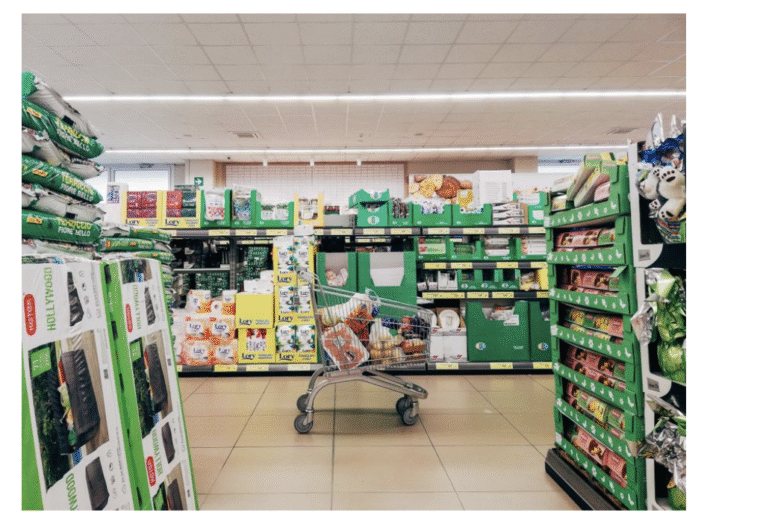
If your grocery bill keeps climbing while your cart somehow looks smaller, you’re not imagining it. Food prices have shifted fast, and routine shopping now takes more strategy than it used to. The good news is you can cut costs without living on instant noodles or giving up decent meals. A few smart habits, better timing, and sharper label-reading can make your weekly grocery trip feel less like a financial ambush.
Start With a Plan, Not a Vibe
Walking into a store without a plan is how you end up buying frozen waffles, three sauces, and absolutely nothing that becomes dinner. A basic list keeps your spending grounded and helps you avoid duplicate items hiding in your pantry.
Before you shop, check what you already have.
Build meals around ingredients that need to be used first.
Then write a short list based on actual meals, not random cravings.
A good target is five to seven dinners, two breakfast options, and a few lunch basics. That’s enough structure to keep you fed without overbuying. If your schedule is busy, choose meals that can pull double duty, like roasted chicken one night and chicken wraps the next day. Boring? Maybe. Effective? Absolutely.
Learn the Price Game Hidden in Plain Sight
Grocery stores are full of pricing tricks, and most of them are subtle enough to slip past you when you’re tired or hungry. Bigger packaging doesn’t always mean better value, and sale tags can be more theater than savings.
Check the unit price on the shelf label.
That small number tells you the cost per ounce, pound, or item.
It’s often the quickest way to spot the real bargain.
You should also watch for “buy five” deals that only save a few cents per item. If you weren’t planning to buy five cans of soup, the discount may not help much. Store placement matters too. Eye-level shelves often feature higher-margin products, while cheaper options sit lower or higher. The best deal is sometimes doing a squat. Grocery shopping can be cardio with a budget benefit.
Be a Regular at Your Local Store
There’s a difference between shopping somewhere and understanding how that store works. Once you learn the patterns at your local grocery store, you start spotting where the genuine value lives.
Some stores discount meat in the morning.
Some rotate produce specials midweek.
Others have strong prices on bulk rice, spices, or international ingredients that chain stores mark up heavily.
Pay attention to sections that change often, especially bakery clearance racks, manager specials, and end caps. Not every display is a good deal, but many stores use those spaces for short-dated products that are still perfectly usable. If you shop the same place regularly, you’ll notice cycles. That makes it easier to stock up on staples when prices dip rather than buying everything at full price out of habit.
Use Store Brands Strategically
Store brands have improved a lot. In many categories, the difference between generic and name-brand comes down to packaging, not quality. Still, not every swap is worth it, so a little strategy helps.
Store-brand basics are usually the safest bet:
– pasta
– canned beans
– oats
– flour
– shredded cheese
– frozen vegetables
– sugar
– butter
For products where texture or flavor really matters to you, test one item at a time. Maybe the generic cereal tastes like sweetened cardboard confetti, but the store-brand Greek yogurt is excellent. You don’t need to be loyal to one label.
Think in categories, not absolutes. Save aggressively on staples, then keep your favorite name-brand items where they actually make a noticeable difference. That balance can shave a surprising amount off your total without making meals feel like a downgrade.
Buy Produce With a Real Use in Mind
Fresh produce often gets framed as the healthy choice, but it can also be the most expensive food you throw away. Good intentions don’t help if your spinach turns into swamp matter by Thursday.
Buy produce based on your schedule, not your fantasy self.
If you know you won’t cook until late in the week, choose sturdier items like carrots, cabbage, apples, and broccoli.
Save delicate greens and berries for the first half of the week.
Frozen produce deserves more respect, too. It’s picked at peak ripeness, lasts far longer, and usually costs less per serving. Keep frozen peas, spinach, mixed vegetables, and fruit on hand for backup. That gives you flexibility when plans change, which they will. A realistic kitchen almost always beats an aspirational one when money is on the line.
Don’t Let Protein Wreck Your Budget
Protein is often the priciest part of a grocery trip, especially if you default to boneless skinless chicken breast, steak, or pre-marinated anything. Small changes here can have a big effect.
Try mixing your protein choices across the week:
– eggs for quick meals
– beans or lentils in soups and tacos
– canned tuna or salmon for lunch
– whole chicken instead of cut pieces
– ground turkey when it’s cheaper than beef
You can also stretch meat rather than centering every meal around a large portion. Add beans to chili, mushrooms to tacos, or lentils to pasta sauce. The meal still feels substantial, but the cost per serving drops. If your store offers markdowns on meat close to its sell-by date, buy it only if you can cook or freeze it right away. Bargains stop being bargains once they become science experiments.
Watch the Convenience Trap
Convenience foods save time, but they often cost far more than the ingredients they contain. Pre-cut fruit, bagged salad kits, microwavable rice, and individually packed snacks can quietly bloat your bill.
That doesn’t mean convenience is always bad.
If buying chopped vegetables helps you actually cook dinner instead of ordering takeout, that trade-off may be worth it.
The key is choosing convenience where it truly solves a problem.
A smart compromise is doing some prep yourself after shopping. Wash lettuce, portion snacks into containers, shred cheese, or marinate protein at home. You keep much of the convenience without paying the premium. This is especially useful if your weekdays are chaotic and your budget needs some breathing room.
Time Your Trips and Track What You Waste
One of the easiest ways to spend less is shopping less often. Every extra trip creates more chances for impulse buys, especially when you “just need one thing” and leave with snacks, drinks, and a candle that somehow entered the chat.
Aim for one main trip each week.
If needed, add one short refill trip for milk, bread, or produce.
Anything beyond that usually deserves a pause.
It also helps to track what you throw away for two weeks. Not forever. Just long enough to notice patterns. If you keep tossing herbs, salad mix, sour cream, or bananas, that’s useful data. Your budget leaks are often hiding in the trash can, not on the receipt. Once you see your waste habits clearly, you can buy more accurately and cook with better timing.
Build a Grocery Routine You Can Actually Keep
The cheapest grocery strategy is useless if it collapses after one busy week. You need a routine that fits your life, not a perfect system built for someone with endless time and color-coded containers.
Keep it simple:
– plan a few repeat meals you genuinely like
– stock low-cost staples you know how to use
– learn your store’s discount rhythm
– compare unit prices
– buy less of what you keep wasting
Saving money on groceries rarely comes from one dramatic trick. It usually comes from stacking small, practical decisions that make your spending less random. Once those habits click, your cart starts looking smarter, your meals stay solid, and your budget stops taking weekly hits every time you need to eat. That’s a win worth repeating.
