
From Screen to Floor: Turning a Block-Game Obsession Into Hands-On Play
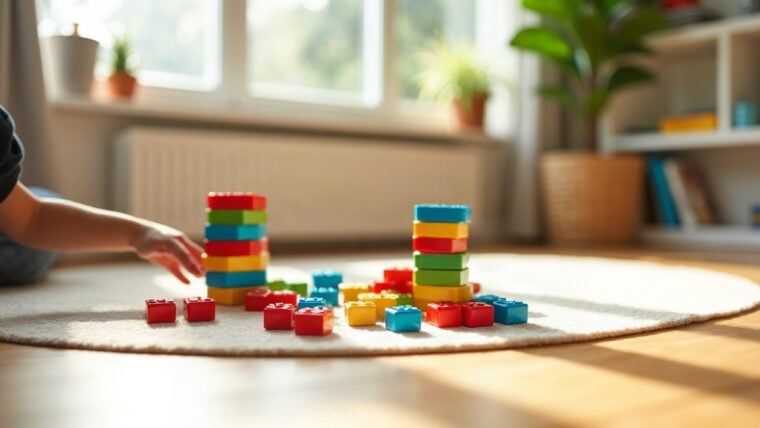
If your child can talk for twenty minutes about the house they built in a block world, complete with a moat and a secret room, you already know the appeal. Everything in those games is a cube. You place one, then another, and a world appears. The catch is that all of that building happens on a screen, and when the screen goes off, so does the building.
Magnetic building blocks, the cube kind rather than the flat tiles, take that same logic off the tablet and onto the living room floor. Same grid, same one-block-at-a-time rhythm, except now there is no undo button. Here is why they land so well with game-loving kids, what to look for when you buy, and how to keep them in play for years rather than weeks.
Why cubes click with kids who love block games
A child who plays block-building games already knows how to use a cube. They have spent hours learning that a wall is a row of blocks, a roof needs support, and a door is just a gap. Hand them a pile of magnetic cubes and that plan comes straight out of their head and onto the carpet.
Many sets print patterns on the faces that echo the textures kids recognise from the screen, which makes the leap feel natural. But the physical version adds something the game never can. Gravity. A tower that leans in a game stays up forever. On the floor it falls, and the child has to work out why. That is where copying ends and real thinking starts.
What they are learning while they build
Parents see the building. Teachers see the rest of it.
- Spatial reasoning. Turning a picture in the head into a structure on the floor is the same mental muscle used later in geometry, maps and diagrams.
- Planning and sequencing. Big builds fail if you start with the roof. Kids learn to think in steps without a lecture.
- Maths, quietly. A wall of four rows of six is twenty-four blocks. Symmetry, counting and early multiplication turn up on their own.
- Fine motor control. Placing a small cube so it lines up cleanly is precise work for small hands.
- Patience and cooperation. Something collapses, they rebuild. Two kids on one build have to negotiate. That is social skill practice dressed up as a castle.
Cubes or tiles: which one should you buy first?
Flat magnetic tiles and magnetic cubes get lumped together, but they suit different kids.
Tiles are large, light panels that snap into big structures quickly. They are brilliant for younger children and for kids who like fast, dramatic results.
Cubes are about detail. They reward a child who wants to build block by block, add a window here and a chimney there, and keep going for an hour. Most cube sets are rated for around four years and up, and they are the better match for a kid who already designs structures in a game and wants that same precision in real life.
One game-obsessed builder in the house? Cubes. A toddler sibling as well? Tiles for the little one and cubes for the big one keeps the peace, and the two can sit side by side on the same rug.
Buying on a budget: what actually matters
Most listings look identical. A few things separate a set that gets used for years from one that sinks to the bottom of the toy box.
- Piece count beats novelty. A small pack is a fine tester, but the play changes completely once there are enough cubes to build something with rooms. Bigger sets nearly always work out cheaper per block, and a large set of magnetic building blocks that mixes with the smaller sets in the same range means you can start with a birthday-sized pack and top up later without anything being orphaned.
- Stay in one range. Cubes from different brands rarely match in size or magnet strength, so mixing them leads to wonky builds.
- Check the size and the hold. Around two centimetres a cube is a common standard, and a good set holds a vertical wall a dozen blocks high without sagging. If reviews mention pieces sliding apart, keep looking.
- Buy from someone who stands behind it. A clear returns policy and real customer support are worth more than a slightly lower price on a mystery listing.
Safety: the questions worth asking
Magnetic toys are safe when they are made properly and used at the right age.
- The magnets should be fully enclosed inside the plastic, with nothing rattling and no gaps. Retire any cube that cracks or chips, because a loose magnet is the one genuine hazard and needs immediate medical attention if swallowed.
- Respect the age rating. Cube sets are not teething toys, so keep them away from children still exploring with their mouths.
- Look for a maker who clearly states that the product meets the mandatory toy safety standard where you live, rather than one that says nothing at all.
- Keep the tub away from laptops, bank cards and hard drives. Magnets and electronics do not mix.
Storage that keeps them in play
The toys that get used are the ones a child can see. A deep toy box is where building sets go to die.
- Use a shallow tub or a divided tray so the cubes stay visible and easy to sort. Sorting by colour at pack-down becomes a game in itself.
- Give big builds a shelf. Let the castle live on display for a week before the demolition ceremony, and take a photo first. A build log motivates the next one.
- Rotate. If interest dips, put the tub away for a fortnight and bring it back. It will feel new.
Start with a challenge
The easiest first session is a “copy your game build” challenge, where they recreate something they made on screen from memory. After that, a two-colour round or a five-minute tallest-tower timer keeps it fresh.
The best thing about this kind of play is what it does to the screen conversation. Instead of negotiating another ten minutes, you are asking what they are going to build next. Australian family business Miniblox makes its cube sets for exactly this crowd, kids who love building in a game and want to keep going after the tablet is put away, and once the set is on the floor, the game tends to follow.
