
How Often Should You Really Visit the Dentist?
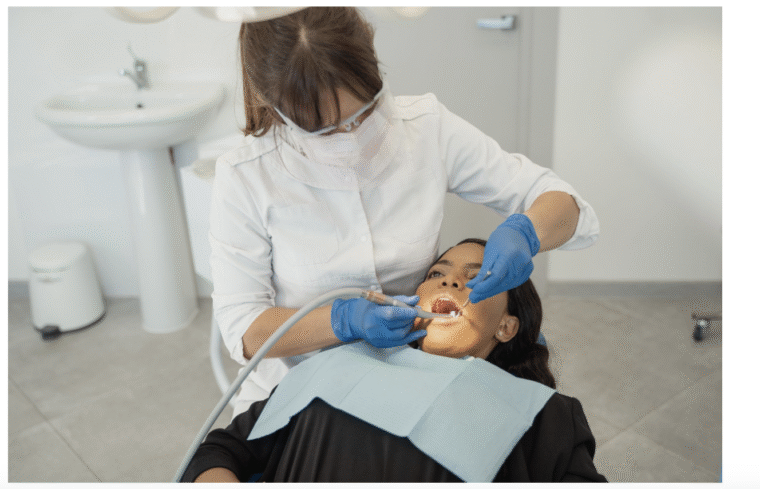
Photo by Tima Miroshnichenko: https://www.pexels.com/photo/woman-in-white-long-sleeve-shirt-checking-the-teeth-of-woman-in-black-long-sleeve-shirt-5355834/
Everyone’s heard “every six months” so many times nobody actually questions it anymore. Where did that number even come from? Does it apply to every single person the same way? Short answer: no, not really. Here’s an honest look at visit frequency, plus what’s worth knowing about two treatments that tend to come up once you’re already sitting in the chair.
The Real Answer Behind “Every Six Months”
Why This Became the Standard Recommendation
That six-month number isn’t random — it tracks roughly how long plaque buildup takes before it turns into something a cleaning alone can’t fully undo. For most people with decent oral health and no major risk factors, honestly, it holds up fine as a baseline.
Factors that might mean more frequent visits:
- A history of gum disease, or ongoing periodontal treatment
- Smoking — bumps up the risk of oral health issues more than people realize
- Diabetes, pregnancy, other conditions touching oral health
- Orthodontic treatment currently underway
Worth knowing: Some people with genuinely excellent hygiene and low risk can stretch to annual visits safely. That’s a call to make with your dentist, though. Not something to decide solo based on how your mouth feels on any given day.
What Happens During a Typical Visit
A standard visit usually bundles two things: cleaning — plaque and tartar removal — and an exam checking cavities, gum health, sometimes X-rays. Related, sure. But genuinely different services. Knowing that difference keeps expectations realistic for what each visit’s actually accomplishing.
When Straightening Comes Up: Understanding Invisalign
Why This Gets Discussed During Regular Visits
Invisalign in Toronto often surfaces mid-routine-visit, when a dentist spots alignment drift that happened gradually enough the patient never clocked it themselves. Clear aligners offer a less obvious route than traditional braces for a lot of mild to moderate cases.
What’s worth knowing before considering Invisalign:
- Not every alignment issue actually suits clear aligners over traditional braces
- Timelines vary a lot by complexity — several months, sometimes over a year
- Compliance matters more than people expect. Aligners only work worn as directed. Generally 20-22 hours a day.
Finding a Dentist You Can Rely On
What Makes a Practice Worth Sticking With
Credentials first, always. Confirming a dentist’s registered with the Royal College of Dental Surgeons of Ontario (RCDSO) takes two minutes. Practices like Bowmanville Dental show exactly what patients should look for — real licensing, clear communication, a service range broad enough that you’re not bouncing between five offices for routine things.
Questions worth asking a potential dentist:
- RCDSO-registered?
- What range of services — emergency availability included?
- Do they actually explain treatment options, costs included, before proceeding?
When Restoration Becomes Necessary
Understanding Dental Implants as an Option
Sometimes prevention and routine care just aren’t enough, and a tooth gets lost — decay, injury, a root canal that didn’t hold. This is where dental implants in Sarnia, bridges, and dentures all enter the picture. Only a qualified dentist or oral surgeon can actually determine candidacy, and only after a real evaluation.
What the implant process generally involves:
- Consultation and imaging to check bone density and candidacy
- Surgical placement of the implant post
- Healing — often several months — before the final restoration goes on
⚠️ Worth noting: Implant timelines and success rates shift a lot based on individual bone health and healing capacity. General information here. Not a substitute for an actual professional evaluation of your specific situation.
Final Thoughts
How often you should really see a dentist comes down to your own risk factors more than any universal rule — genuinely worth a direct conversation with your provider. Whether it’s straightening or eventual restoration down the line, finding a dentist with real credentials and an honest approach to treatment planning makes every decision after that one a lot easier.
Note: This article is for general informational purposes only and is not a substitute for professional dental advice. Please consult a licensed dentist for guidance specific to your situation.
