
Memory Foam Mattresses in a Box: What Changes After Unpacking

A mattress arriving in a compact box can look quite different from the full-sized bed you expected. The packaging keeps the mattress compressed during delivery, allowing a bulky product to fit into a manageable package. Once the wrapping is removed, the foam begins to recover its shape, gradually gaining height and developing the form intended by its design. This process can be fascinating to watch, but it also raises practical questions about when the mattress is ready to use and whether its initial appearance is normal.
Choosing the best memory foam mattress involves considering more than comfort and firmness. Understanding what happens after unpacking can help you avoid common setup mistakes and make a fair assessment of the mattress. Expansion, room temperature, material construction, and the time spent compressed all influence the first few days of ownership. Knowing what to expect makes it easier to distinguish normal recovery from a problem that needs attention.
Compression Changes How a Mattress Arrives
Memory foam mattresses are often compressed and rolled before shipping to reduce their size. This process makes transportation and delivery more convenient, but it also means the mattress cannot immediately display its full shape. The foam remains under pressure inside its packaging until the mattress is opened.
When the wrapping is removed, the material begins to expand as the pressure is released. The surface rises, the edges gradually become more defined, and the mattress starts approaching its intended thickness. These changes may happen quickly at first, although complete recovery can take considerably longer.
The mattress may not expand evenly during the first few minutes. One corner might rise faster than another, or the edges may look slightly flatter than the middle. These temporary differences are not necessarily signs of damage. Instead of trying to correct them manually, place the mattress on a suitable support surface and follow the manufacturer’s setup instructions.
Temperature Influences the Recovery Process
The room in which a mattress is unpacked can affect how quickly its foam responds. Memory foam is sensitive to temperature, and cooler conditions can make it less flexible during the initial recovery period. In a warmer room, the material may regain its shape more readily.
This is one reason a mattress delivered during cold weather might appear slow to expand. The material may need additional time to reach its intended thickness, even when the packaging has been removed correctly. That does not automatically mean the mattress is defective or that the foam has permanently lost its shape.
A comfortably warm, ventilated room is generally a sensible environment for unpacking. Avoid trying to speed up the process with hair dryers, heaters, direct sunlight, or other intense heat sources. Excessive heat can damage materials, and it is unnecessary when the mattress can recover naturally under the manufacturer’s recommended conditions.
Full Height Does Not Always Mean Full Recovery
One of the easiest mistakes is assuming that a mattress is ready as soon as it looks almost full-sized. Visible expansion is only one part of the process. Some areas may continue recovering after the mattress appears close to its intended dimensions, and the surface may still feel different from how it will feel after the recommended settling period.
The cover can also influence what you notice. Fabric that looks wrinkled immediately after unpacking may smooth out as the mattress expands. Corners that initially appear rounded or compressed may become more defined. Small changes in appearance are often less concerning when they steadily improve over time.
Follow the timing provided for the exact mattress model rather than relying on a general estimate. SweetNight recommends allowing its CoolNest® Memory Foam Mattress to rest for 72 hours after unpacking. Other products may have different instructions, so the product’s own guidance should take priority.
Comparing Different Memory Foam Designs
Not all foam mattresses behave in exactly the same way. Their recovery time and initial feel can vary according to foam density, layer thickness, construction, and the compression method used for shipping. A thinner mattress may regain its shape differently from a thicker design with several substantial comfort and support layers.
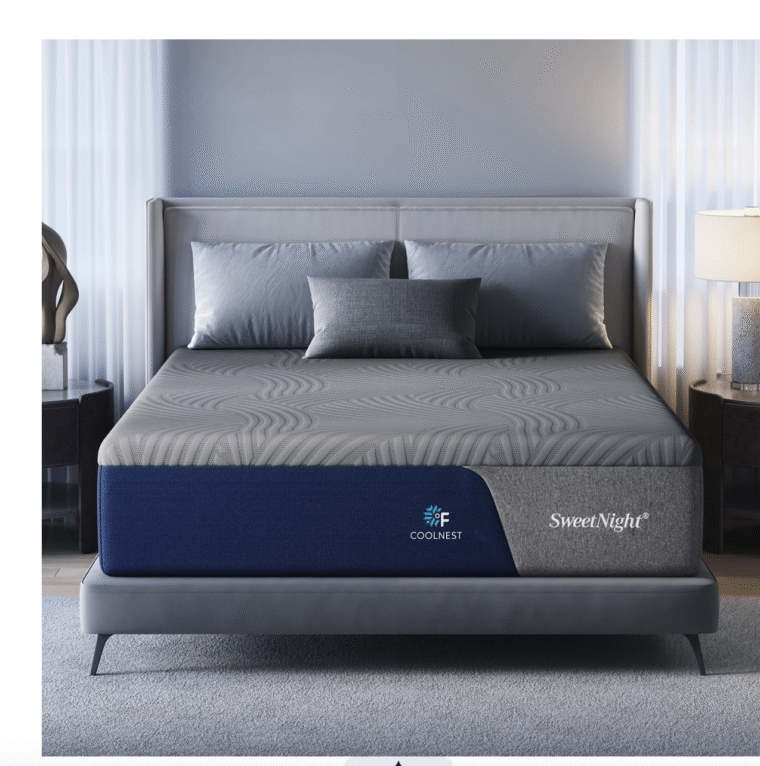
When exploring memory foam mattresses, it helps to look at how each model is constructed instead of assuming that all products made from memory foam will feel alike. Some designs emphasize close contouring, while others combine memory foam with more responsive layers to balance cushioning and ease of movement. These differences influence the eventual sleeping experience, even when two mattresses look similar after expansion.
Product descriptions can provide useful information about the intended feel, materials, and support system. However, the specifications should be considered separately from the unpacking process. A mattress taking longer to expand does not automatically indicate that it will be softer, firmer, more supportive, or more comfortable once it has recovered.
Why the First Night May Feel Different
The first time someone lies on a newly unpacked mattress, the surface may not match their expectations. The foam could feel firmer than anticipated, or the sleeper might notice a different level of cushioning around the shoulders and hips. These impressions can be influenced by the material’s current condition, the room temperature, and the feel of the mattress used previously.
Memory foam responds to body heat and pressure, gradually contouring around the areas that contact the surface. This response can make the sleeping experience different from lying on a traditional spring mattress or a more responsive foam design. It is also why a quick hand press cannot fully represent how a mattress will feel under the weight of a person lying down.
Give the mattress the recovery time specified by its manufacturer before deciding whether the comfort level suits you. Once it is ready, test it in your normal sleeping positions and pay attention to how your body settles. Notice whether the surface cushions pressure points, whether movement feels manageable, and whether the support matches your preferences. Avoid assuming that every change in feel means the mattress is still expanding or that it will necessarily become softer with continued use.
How Different Foam Layers Recover After Compression
The SweetNight CoolNest® Memory Foam Mattress provides an example of why construction matters when evaluating a mattress after unpacking. Its listed materials include a 3D-woven cooling cover, PCMflux® high-resilience foam, gel-infused memory foam, Ocean Memory Foam, transition comfort foam, and five-zone support foam. These components have different roles, combining surface comfort, temperature management, contouring, and support within one mattress.
After delivery, the entire construction needs time to recover from compression. The outer surface may become smooth before every part of the mattress has reached its intended form, so judging the product immediately can lead to an incomplete impression. SweetNight’s recommended 72-hour recovery period gives the mattress time to expand before you make a more considered assessment.
The material details also help explain what to evaluate once setup is complete. The cooling cover affects the first point of contact, memory foam contributes to contouring, and the support layers help provide a stable foundation. Whether the resulting feel suits an individual depends on body shape, sleeping position, and personal preferences. The product’s construction provides context, but comfort should ultimately be assessed after the mattress has been set up correctly.
Small Setup Decisions Can Make a Difference
Where the mattress is placed during expansion matters. A compatible bed frame or foundation provides the support intended by the manufacturer and helps the mattress rest evenly. Before opening the package, check that the frame is assembled correctly and that its slats or platform meet the product’s requirements.
It is also helpful to clear the area around the bed before unpacking. A mattress can become awkward to handle as it expands, so positioning the package near its final location reduces the need to move it through narrow doorways. Removing the plastic carefully is important, too. Sharp tools should be kept away from the foam and cover to avoid accidental cuts.
Keep the care instructions available throughout setup. Some mattresses have specific requirements for their foundation, orientation, or handling. Do not fold the mattress again, press heavy objects onto uneven areas, or attempt to reshape the foam manually unless the manufacturer specifically advises it. Allowing the material to recover naturally is usually the safest approach.
Recognizing When Something Is Not Right
Temporary unevenness is one thing; persistent distortion or visible damage is another. A mattress with a torn cover, puncture, damaged seam, or deeply compressed section deserves closer attention. If you notice a possible problem during unpacking, take photographs before attempting to adjust the mattress.
Compare what you see with the manufacturer’s instructions and recommended recovery period. If a corner remains unusually low or a section does not recover as expected after the specified time, contact the seller or manufacturer for guidance. Avoid using heat or household tools to correct the issue, as these actions may damage the materials or affect warranty coverage.
A noticeable new-product smell may also occur after opening a sealed mattress. Ventilating the room can help the odor dissipate, but persistent or irritating smells should not simply be ignored. If the odor causes discomfort or does not improve, seek advice from the manufacturer before continuing to use the mattress.
FAQs
How long should a memory foam mattress stay out of its packaging before use?
The recommended period varies by model. Some mattresses expand substantially within hours, but manufacturers may advise waiting longer before regular use. SweetNight recommends allowing 72 hours for its CoolNest® Memory Foam Mattress to rest after unpacking. Check the instructions for your specific model before sleeping on it.
Is it normal for one side of a boxed mattress to expand faster than the other?
Yes, temporary differences can occur during the initial recovery process. Temperature, compression, and the way the mattress was packed can affect how quickly different areas regain their shape. Give the mattress time to recover on a suitable, level support surface. If significant unevenness remains after the recommended period, contact the manufacturer.
Will a memory foam mattress become softer after unpacking?
It may feel different as it reaches its intended shape and adjusts to the surrounding temperature, but expansion does not guarantee that the mattress will become softer. Its final feel depends on the materials, construction, and firmness design. Assess the comfort after the recommended recovery period rather than expecting the mattress to change into a different firmness level.
Give the Mattress Time to Become Itself
Unpacking a memory foam mattress is more than removing plastic and placing it on a bed frame. It begins a recovery process in which the foam regains its shape, the surface settles, and the mattress approaches the condition intended by its manufacturer. The timing depends on the design and surrounding conditions, making model-specific instructions more reliable than a universal rule.
A careful setup also helps you assess the mattress fairly. Use a compatible foundation, avoid forcing the foam into shape, and allow enough time before judging its comfort. If unusual damage or persistent distortion appears, document it and contact the manufacturer rather than attempting a repair yourself.
