
Front License Plates and Traffic Cameras: Do They Really Matter?
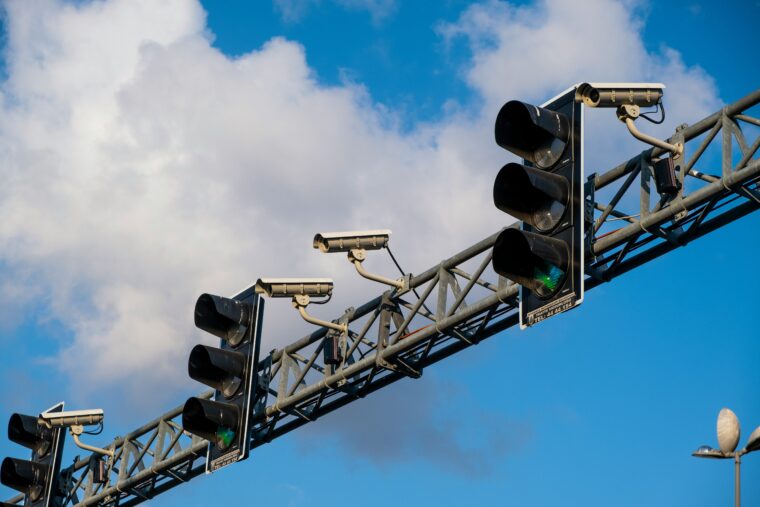
Front license plates have long been a staple on American roadways and around the world. These plates, carefully mounted to the front of vehicles, essentially serve as an additional identifier for law enforcement and traffic monitoring systems. Their importance has often been highlighted in discussions surrounding traffic camera use, typically in states like Washington where they are mandatory.
However, the question of whether or not front license plates actually make a difference when it comes to traffic safety and enforcement has been raised many times. In an era of advanced technology such as today, the laws surrounding front license plates often seem outdated. Learn all about the role front license plates play, particularly in conjunction with traffic cameras, to determine for yourself whether or not they truly impact safety and law enforcement efficiency.
The Role of Front License Plates
For those who may not have the requirement in their state, front license plates are an additional set of vehicle identification plates that are required to be mounted on the front of certain vehicles depending on where you live. In Washington, as an example, having both front and back plates is mandatory for most vehicle types. This requirement initially stems from the idea that front plates make it easier to identify a vehicle that is approaching from different directions.
Not all states mandate front plates, though. Florida and Arizona are two examples where only rear plates are required. This has led to debates over the necessity of front license plates for years, specifically questions having to do with weighing the utility of them versus their drawbacks.
How License Plates and Cameras Interact
As you may well know, traffic cameras are a critical tool in modern law enforcement that keep an eye on intersections and roadways. These tools capture images of vehicles committing violations such as running red lights or speeding. Front license plates are often accredited for their role in ensuring the accuracy of these systems.
When a vehicle runs a red light, for instance, a camera that is positioned at the intersection often captures the vehicle from the front. Having a front plate allows the system to identify the offending vehicle more easily without needing to rely on a rear plate which may not always be visible. This can be exponentially more important when head-on violations occur or when a vehicle has an obscured rear plate.
Front plates have proven effective in aiding traffic cameras in states where they are required. Studies have even shown that cameras positioned to capture the front of vehicles are more effective at identifying violations. For law enforcement officials, this additional layer of identification simplifies the process of holding offenders accountable.
Arguments for Front License Plates in Traffic
Those who think front license plates are necessary often point to their undeniable benefits in regard to law enforcement. Some of the key arguments for these plates include:
- Improved law enforcement efficiency: Front license plates enable law enforcement professionals and tools to accurately identify vehicles involved in traffic violations which is especially important in cases such as hit-and-runs where the identification of a vehicle from the front can provide crucial evidence.
- Increased accuracy for traffic cameras: Cameras that monitor intersections or highways often capture vehicles in real-time from the front, and the presence of a front plate ensures that the right car is pursued even in low-light or challenging conditions.
- Enhanced public safety: The ability to quickly identify vehicles can help in emergency situations such as tracking down stolen cars or vehicles involved in criminal activity, with front license plates adding an additional layer of visibility for law enforcement.
Studies have long supported the effectiveness of front plates with research done in states that require front plates showing that they can sometimes have a reduction in certain types of traffic violations and accidents. This is likely due to the enhanced enforcement capabilities they provide.
Arguments Against the Necessity of Front License Plates
Despite their benefits front license plates are not without criticism and for good reason. Opponents to the front license plate rule often argue that they are not as essential as advocates claim for the following reasons:
- Cost and aesthetic concerns: Front license plates add an additional cost for vehicle owners and manufacturers alike, and some car enthusiasts also argue that the front plate detracts from the aesthetic appeal of their vehicle, typically when they own luxury or sports cars.
- Technological advancements: Modern traffic enforcement technologies, such as advanced license plate readers and rear camera systems, are becoming increasingly effective at identifying vehicles using just rear plates.
- Successful systems without front plates: States that don’t require front license plates like Florida or Arizona have implemented traffic enforcement systems that work effectively with rear plates alone, potentially suggesting that the utility of front plates may be overstated.
Do Front License Plates Impact Traffic Safety
Perhaps the most debated aspect of front license plates is their impact, or lack thereof, on traffic safety. While they undoubtedly aid enforcement agencies, their direct effect on reducing accidents is far less clear. Some studies suggest that states with front plate requirements experience fewer traffic violations, whereas others disagree.
It’s challenging to attribute these results solely to the presence of front plates, though, as other factors such as law enforcement intensity, road design, and more can play a role. Moreover, critics have argued that the focus of people’s attention should be on other items such as improving safety measures, adding more road signage, improving road infrastructure, and more.
Improving driver safety on the road
Regardless of your stance, front license plates have been a cornerstone of traffic enforcement for decades and they offer many benefits such as improved law enforcement efficiency and enhanced public safety. Their role in traffic camera systems has made them invaluable in identifying violators and holding them accountable. As technology continues to evolve, though, the necessity of front plates will continue to be called into question as alternative vehicle identification methods go on the rise.
