
How Postmenopausal Women Can Manage Managing Knee Osteoarthritis
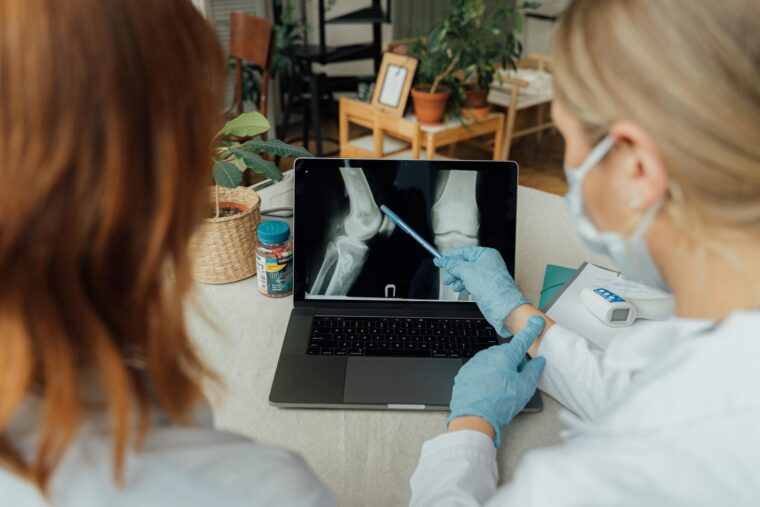
Your body changes a lot as you age, but more so after menopause.
Hot flashes, night sweats, and mood swings are well-documented symptoms. But what many women don’t know is that menopause can affect their joints, especially the knees. The drop in estrogen that comes with menopause can make joint pain worse.
About 10% of women between 40 and 49 years have knee osteoarthritis. This figure rises to 35% in women aged between 60 and 69.
While worrisome, knee osteoarthritis is manageable. From lifestyle tweaks to newer options like genicular artery embolization for knee osteoarthritis, there are several ways you can find relief. Here, we’ll share the best ones, so you can stay active through this new phase of life.
#1 Stay Active Even When Pain Flares
It might seem like rest is best when knees ache. But too much inactivity can accelerate cartilage degradation, make muscles weaker, and joints stiffer.
Regular activity replenishes synovial fluid, which is the body’s natural joint lubricant. It also keeps the muscles surrounding the knees strong. These muscles act as vital supports, absorbing shock and reducing stress on the joint itself.
The trick is learning to work with your pain, not against it. When your knee pain flares up, forget about your usual workout routine. Instead, try gentle movements that keep your joints loose without adding stress.
Water aerobics is ideal for people with knee osteoarthritis. The buoyancy of water takes the pressure off your joints while allowing for a good workout.
Health advises using a water jogging belt when exercising in water. It lifts you off the pool floor, so you can move without any pressure on your knees, hips, and ankles.
Cycling is also kind to your knees. Whether you choose a stationary bike or go outdoors on gentle, flat paths, smooth, controlled movement of cycling helps build leg muscles without harsh impact.
#2 Strengthen the Muscles Around Your Knees
The muscles around your knees, especially your quadriceps and hamstrings, absorb shock and significantly reduce the stress placed on the knee with each step.
Strengthening these muscles is especially important because osteoarthritis can affect overall joint function. Stronger muscles contribute to better stability. This can prevent the knee from feeling wobbly, which can be a concern with osteoarthritis.
The decline in estrogen during menopause can contribute to a condition called sarcopenia, which is the loss of muscle mass.
Engaging in strengthening exercises can help preserve muscle mass. Wall sits are helpful. Just lean against a wall and slide down like you’re sitting in an invisible chair. Hold for as long as you can.
Straight leg raises are another simple exercise you can do at home. Lie on your back, bend one leg, and lift the other leg straight up.
Don’t forget about your glutes and core muscles either. They help keep your whole body aligned, which reduces stress on your knees. Simple bridges (lying on your back and lifting your hips) work wonders for your glutes.
#3 Look into Pain Relief Options
When discomfort breaks focus or interrupts sleep, layered relief can help you stay active and upbeat.
Simple strategies like heat and cold therapy can be surprisingly effective. Heat therapy is often ideal for the chronic, ongoing pain associated with arthritis. Cold therapy is particularly effective after exercise or during a flare-up. It can help reduce swelling.
For mild to moderate pain, acetaminophen (e.g., Tylenol) can be effective for some people.
Creams or gels containing nonsteroidal anti-inflammatory drugs (NSAIDs) like ibuprofen or diclofenac also provide pain relief with potentially fewer side effects than pills.
Capsaicin cream, derived from chili peppers, can also help relieve pain for some individuals when applied to the skin over the painful joint. It might take a few weeks of consistent use, though, to notice benefits.
If you’re looking for more targeted, longer-lasting relief, genicular artery embolization (GAE) is worth considering. Pedes Orange County explains it as a minimally invasive treatment that blocks small arteries in the knees. This reduces pain as well as inflammation.
GAE is a promising option for those who aren’t ready for knee replacement but want more than basic pain control.
Taking Steps Forward
Knee osteoarthritis after menopause might be common, but that doesn’t mean you have to accept pain as your new normal. These strategies, adopted as small, consistent steps, can help you manage pain and significantly improve your comfort and mobility.
Team up with your doctor or physiotherapist. They can help you create a plan that is tailored to your specific needs and health. Slowly but surely, you’ll notice less stiffness, more strength, and the confidence to move more freely.
