
How to Protect Your Car and Your Wallet This Storm Season
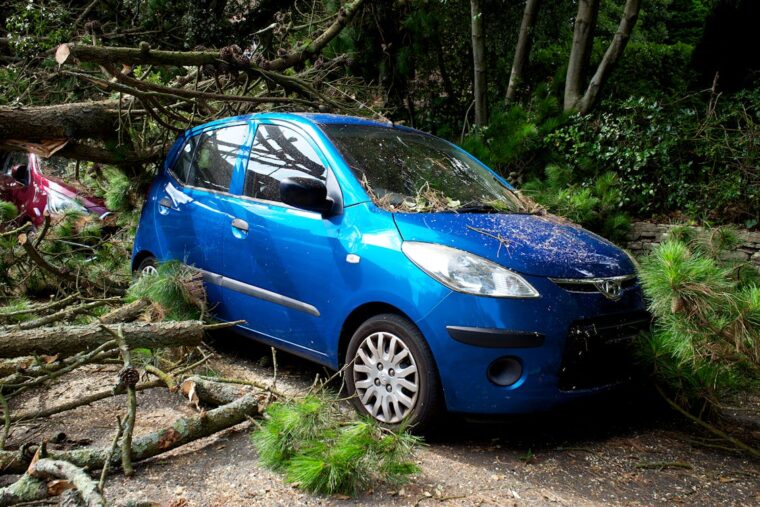
Storm season isn’t only about staying indoors and watching the skies turn gray. While many people prepare their homes, cars often sit outside with no real protection. Wind, hail, and unexpected flooding can turn a normal day into an expensive mess.
One quick storm can leave your vehicle covered in dents or worse, inside and out. Thinking ahead can save a lot of time, stress, and unplanned repair bills. According to Mile High Dents, even minor hail can create dozens of dents that quietly reduce your car’s value.
These problems usually go unnoticed until it’s too late to claim insurance. Parking habits, coverage details, and small fixes can make a real difference. This article will walk you through simple ways to protect both your car and your wallet.
Know What Storm Damage Really Looks Like
Many drivers believe visible damage is the only type that matters. Small dents from hail often remain hidden until you look more closely. Moisture trapped in chipped paint can lead to long-term rust issues. Corrosion underneath the car is a serious problem after flooding.
The Institute of Corrosion notes that vehicles in wet or snowy climates are more likely to develop hidden corrosion problems. Rust builds up in wheel arches, door panels, and beneath the car’s frame. This damage isn’t just cosmetic, as corrosion can affect your car’s safety and long-term value.
Windblown debris can leave scratches that ruin your car’s exterior finish. Insurance may not cover delays if the damage isn’t reported right away.
Check the roof, hood, and doors after every major weather event. Use your phone flashlight to inspect the surface in low light. Catching problems early helps keep repair costs lower and value intact.
Can storm debris damage the exhaust system?
Storm debris can strike or wedge under your vehicle, causing muffler or tailpipe misalignment. Impacted exhaust systems may lead to reduced engine performance and excessive emissions. It is important to inspect the underside carefully if your car was driven through scattered storm debris.
Keep a Storm-Ready Kit in Your Vehicle
A storm kit helps you act fast before real damage sets in. Use a sunshade as a quick fix for surprise hail situations. A microfiber towel helps keep door seals dry during freezing conditions. Plastic sheeting and duct tape help cover broken windows quickly and safely.
However, Family Handyman states that such temporary covers can keep out debris but are not long-term solutions. Experts recommend replacing or repairing the glass within a week to maintain safety. Waiting too long increases risks like theft, water damage, and interior deterioration.
Car covers fold easily and protect vehicles parked outdoors from falling branches. Include a flashlight, charger, poncho, and first aid kit for safety.
Rubber floor mats protect the interior from floodwater and mud damage. Keep all items stored neatly in a sealed box in your trunk. Being prepared helps you stay calm and avoid preventable repair expenses.
Can pets be safely accommodated in storm kits?
Yes, you should include collapsible bowls, bottled water, and extra leashes or carriers. Storm travel with pets requires planning to avoid stress, dehydration, or unexpected separation incidents. A few pet-specific additions can significantly improve safety for both you and your animal during emergencies.
Make Smart Parking Choices When Storms Hit
Parking location plays a big role in preventing storm-related vehicle damage. Avoid parking under large trees that could fall during heavy wind gusts.
WJAR recently reported one such incident where a large tree toppled over a parked car in Providence early morning of May 21, 2025. The tree, located beside a softball field at Angell Street and Arlington Avenue, fell directly onto the vehicle. The fallen tree also blocked traffic, forcing police to reroute drivers around the obstructed road.
You should also steer clear of poles, fences, and power lines near your driveway. Use awnings, covered lots, or drive-through shelters when safe options exist. Leave space around your vehicle to reduce the risk of flying debris damaging your car. Temporary car canopies are inexpensive and protect cars during sudden storms.
Are there safer alternatives to street parking?
Yes, commercial parking garages often offer temporary storm passes for nearby residents. Parking in these garages during weather warnings can reduce risk, even if it involves short travel. Some buildings provide shelter parking specifically during storms for a small fee or reservation.
Don’t Delay Repairs Even If the Damage Looks Small
Putting off repairs might feel smart, but it can cause more damage later. Even small dents allow moisture to reach exposed metal underneath your vehicle. Windshield chips expand over time with temperature changes and stress.
Cosmetic issues lower resale value and raise future insurance complications. Quick repairs cost less and preserve your car’s original factory finish. Paintless dent repair is efficient and avoids the need for repainting.
Market Research Future mentions that more drivers want quick dent fixes without repainting, boosting demand for paintless dent removal. Paintless dent repair saves time and protects factory paint, making it a favorite among car dealerships. Specialized paintless dent repair tools reach tricky spots without sanding or filling, keeping repairs efficient and affordable.
Some mobile repair teams will come to your home or workplace. Free evaluations can help you decide if immediate repairs are necessary. Acting early prevents bigger problems and keeps costs within your control.
Are DIY dent repairs always a bad idea?
Inexperienced DIY attempts can worsen the dent or damage adjacent areas of the vehicle. Home kits may lack the necessary tools or precision to protect paint layers effectively. Professionals have specialized tools to handle minor damage cleanly without compromising structural or cosmetic integrity.
Check Your Insurance Policy Before You Need It
Knowing your insurance details can prevent unwanted surprises after a storm. Comprehensive coverage is necessary for hail, flooding, and falling objects. Many drivers mistakenly believe basic policies include these protections automatically.
If you own your car, check whether coverage was dropped earlier. High deductibles can mean you pay everything for minor visible damage. Look into how your provider handles claims and approved repair shops.
Photograph your vehicle before storm season begins for future claim documentation. Save your insurer’s number and policy info in your phone contacts. Prepared drivers face fewer delays and lower out-of-pocket expenses after damage.
Does storm damage affect policy renewal terms?
Yes, significant claims for weather damage can influence renewal premiums or eligibility. Insurers often reassess policy risk levels based on your claim history and regional weather activity. Staying informed about local weather patterns helps you adjust coverage before facing renewal rate increases.
Storm season can quietly damage your vehicle if you are not paying close attention. Beyond shattered glass or dents, hidden corrosion from moisture can silently eat away at critical parts. Parking smartly and keeping a solid emergency kit can help reduce immediate storm-related risks.
Knowing the details of your insurance coverage helps you avoid delays when making claims. Even small scratches or paint chips can lead to long-term rust issues over time. Taking fast action after a storm helps maintain your vehicle’s safety, appearance, and resale value. Protecting your car now will save money and frustration down the road.
