
Guide: How to Buy a Classic Car in the USA — From Seller to Your Door (step-by-step)
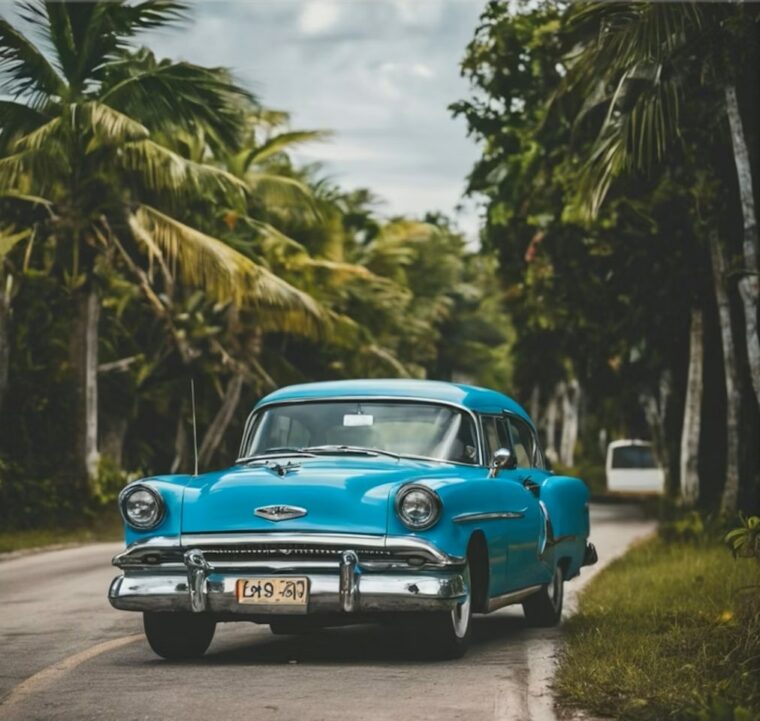
Buying a classic car is exciting — but it’s also a process that rewards planning. Below is practical walkthrough that covers where to look, what to check, how to pay safely, and how to get your car transported to your house. I include links to trusted marketplaces and shipping guidance so you can act with confidence.
- Where to find classic cars (best marketplaces)
Start with reputable marketplaces that specialize in collector and classic vehicles. These sites aggregate listings, provide seller contact details, and (for auctions) show recent selling prices so you can judge fair value.
- ClassicCars.com — large inventory of collector vehicles and dealer listings. Classic Cars
- Hemmings — long-running classifieds and marketplace for classics, parts and services. Hemmings
Tip: Bookmark listings and set alerts for models you want — values for classics can move quickly.
- Do your homework (research the model & comps)
Before contacting sellers:
- Search auction results and recent sales to understand market value.
- Look for common fault areas on the model (rust hotspots, known mechanical weak points).
- Read owner forums and review restoration records if available.
- Inspect like a pro (pre-purchase checklist)
A pre-purchase inspection is essential for classics; cosmetic looks can hide structural or mechanical problems.
Key inspection items:
- Body & rust: check floors, wheel arches, trunk, and frame rails for filler or repair work.
- Undercarriage: look for frame damage or heavy rust.
- Engine & fluids: check oil color/level, coolant, leaks and compression (if possible).
- Electrical: test lights, gauge operation and starter/charging.
- Interior & history: ask for service records, prior restorations, and original documents.
Pro tip: If you’re not confident, hire a specialist classic-car inspector — it’s typically far cheaper than an unexpected repair bill.
- Negotiation & secure payment
- Verify seller identity and title status (clear title vs. salvage, lien checks).
- Use photos, inspection notes, and comparable sales when negotiating.
- For large purchases, prefer traceable payment methods (bank transfer, escrow, or auction-platform payment). Avoid sending cash to strangers.
If you choose an escrow or broker, confirm their legitimacy and read reviews.
- Paperwork & transfer (title, bill of sale, emissions)
- Get a signed bill of sale (include VIN, purchase price, odometer reading and date).
- Ensure the title is signed over correctly (state rules vary).
- For interstate purchases, check your home state’s requirements for registration and emissions inspections.
- Transport options: Getting the car from seller to your house
Once the deal is done, decide how to move the car safely.
If you want this handled with white-glove care, a specialist vehicle transport provider can manage door-to-door pickup, enclosed carriers, and paperwork. For a quick quote and safe delivery, consider contacting a trusted auto transport company such as Mile Auto Transport — they can arrange enclosed carriers, provide BOLs and help coordinate pickup/delivery.
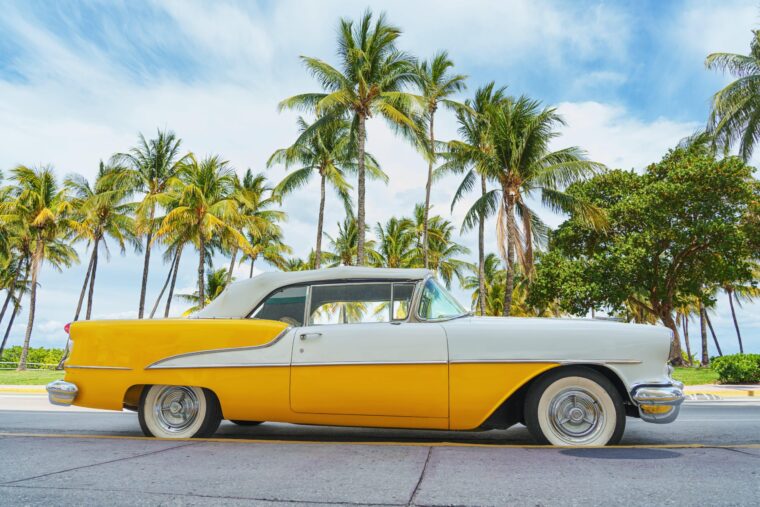
- Insurance & value protection
- Get insurance coverage for transit (verify carrier insurance limits).
- For collector cars, consider agreed-value classic car insurance rather than standard personal auto coverage.
Final checklist (before clicking “Buy”)
- Market comps and pricing ✔
- Pre-purchase inspection or third-party check ✔
- Clear title and signed bill of sale ✔
- Transport quotes and insurance confirmed ✔
- Delivery inspection & photos ✔
