
How Hard Water Affects Everyday Life
Key Takeaways
- Hard water contains high levels of calcium and magnesium, leading to limescale buildup in appliances, plumbing, and fixtures.
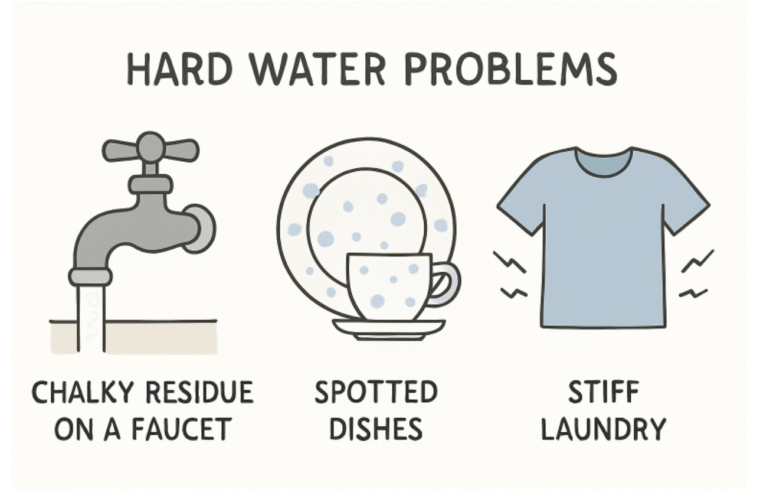
- It reduces cleaning effectiveness, leaving spots on dishes, dull laundry, and soap residue on skin and hair.
- Appliances and plumbing suffer from decreased efficiency and higher energy costs, potentially leading to expensive repairs.
- Installing a water softener and performing regular maintenance can prevent damage, improve efficiency, and enhance overall household comfort.
Hard water is a common problem in households throughout the country, often going unnoticed until its impact becomes undeniable. Characterized primarily by elevated levels of minerals like calcium and magnesium, hard water can influence everything from cleaning habits to the health of your home’s infrastructure. Finding an effective water softener system is one of the best ways to tackle these issues and improve your household’s quality of life.
While hard water poses no immediate threat to human health, its effects ripple through daily routines and can lead to ongoing frustrations and additional expenses. From shortening appliance lifespans to making it harder to achieve sparkling-clean dishes and fresh laundry, hard water can become a costly and irritating nuisance for families. If left unaddressed, the gradual wear-and-tear caused by hard water can also lead to expensive repairs to household systems.
Knowing how hard water works and where its effects occur is key to tackling the issue effectively. By understanding its sources and identifying the most impacted areas, such as appliances and plumbing, homeowners can plan proactive solutions and get the most value from their investments.
Understanding Hard Water
Hard water is formed when water passes through deposits of limestone, chalk, or gypsum, absorbing minerals along the way. The most significant contributors are calcium and magnesium. These minerals do not evaporate from water, so they remain behind as a residue, causing the visible scaling and film commonly seen on fixtures, dishes, and inside pipes. This mineral-heavy water can be especially prevalent in rural and suburban areas where groundwater is the primary source of water supply. Over time, the continued presence of these minerals leads to subtle and overt issues throughout the home.
Effects on Household Appliances
Household appliances such as dishwashers, washing machines, and water heaters are particularly at risk from the constant presence of hard water. Mineral deposits accumulate inside these machines, clinging to internal components and causing blockages. This often results in appliances working harder, leading to decreased efficiency and, eventually, costly repairs or premature replacements. For example, water heaters lined with scale require more energy to heat water, while washing machines may suffer from reduced water flow and lower cleaning performance. Routine maintenance and water conditioning strategies can help safeguard your appliances and keep them running efficiently.
Impact on Plumbing Systems
Hard water’s effects extend deep into your home’s plumbing. As the mineral content accumulates inside pipes, it forms limescale, a hard, chalky buildup that restricts water flow and increases the likelihood of blockages. This added pressure can lead to leaking pipes, costly repairs, or even system failure. Over the years, plumbing systems may deteriorate more quickly, sometimes necessitating complete pipe replacements. Proactive solutions, such as regular pipe inspections and water treatment, can help homeowners avoid these costly scenarios.
Challenges in Cleaning and Laundry
Cleaning with hard water poses ongoing challenges. Soap and detergent lather poorly in hard water, so you often need to use more product. This leads to soap scum and residue left on surfaces, glassware, and laundry. Dishes may come out looking dull or spotted, and laundry washed in hard water can lose brightness over time. Fabrics might feel stiff, scratchy, or even prematurely worn. Even bathroom surfaces and sinks require more effort to keep free of chalky buildup and stains, adding extra time to routine chores.
Personal Care Concerns
Hard water’s impacts do not stop at plumbing and appliances. Bathing and showering with hard water can be frustrating, as soap is more difficult to rinse away completely. This can leave skin feeling dry or irritated and may exacerbate pre-existing skin conditions. Hair washed in hard water often becomes dull, dry, or brittle, and users may notice a buildup near the scalp or difficulty managing their hair’s texture. These personal care concerns are common among people living in areas with persistent hard water.
Energy Consumption and Costs
The effect of hard water on energy costs is often overlooked but significant. Mineral accumulations on heating elements in appliances like kettles, boilers, and water heaters force these appliances to work harder and use more electricity or gas to achieve the same results. Over time, this added strain translates into higher utility bills and a greater environmental impact. The U.S. Department of Energy notes that even a small amount of scale can significantly reduce heating efficiency, leading to ongoing increases in household energy consumption. Homeowners may notice that their monthly energy bills rise as their appliances become less efficient.
Solutions to Hard Water Problems
The most effective approach to managing hard water is installing a home water softener that removes calcium and magnesium ions before they enter the domestic water supply. These systems can dramatically improve the efficiency and life of household appliances, reduce limescale in plumbing, and enhance overall water quality for cleaning and personal care. Simple steps, like regular descaling treatments for appliances and keeping an eye on visible mineral buildup, can also help mitigate the negative effects. Consistently monitoring the mineral content of your water helps ensure you catch any changes that may require attention before they become bigger problems.
Conclusion
Though hard water is not a direct health risk, its cumulative effects on daily routines, household budgets, and appliance durability are substantial. Identifying hard water issues early and implementing solutions, such as installing a water softener, can dramatically reduce nuisance, save money, and improve comfort. Awareness and proactive management are the keys to maintaining an efficient and healthy home where hard water no longer disrupts your daily routine.
