
How Cultipackers Support Eco-Friendly Family Gardening
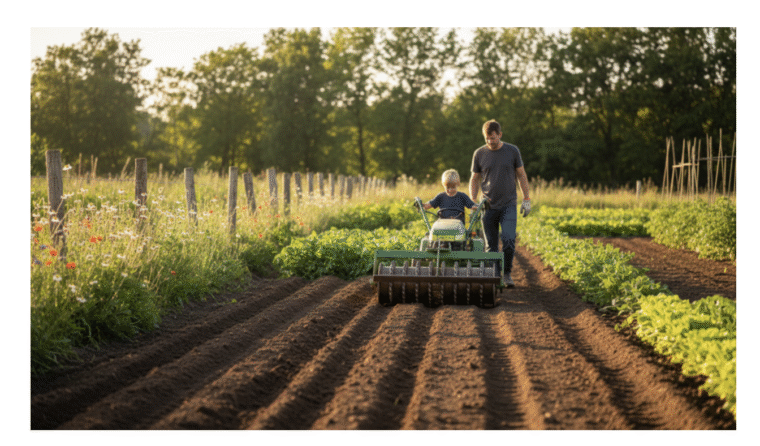
For families looking to cultivate both vegetables and environmental values, the right tools can make all the difference in the success of a growing season. Among the equipment gaining traction in sustainable home gardening is the cultipacker—a deceptively simple roller that transforms how seeds interact with soil. By firming and leveling freshly tilled ground, this implement creates an even seedbed where seeds nestle at the proper depth for healthy growth. At its core, the goal is to establish a solid foundation for the root system to expand without encountering large gaps in the earth.
This direct contact between seed and soil is critical for germination because it ensures that moisture can reach the seed without hindrance. In eco-conscious gardening, that translates to healthier plants without relying heavily on synthetic fertilizers or pesticides. The tool works by pressing down loose soil with weighted rollers, eliminating air pockets that can dry out seeds or leave them stranded above the necessary moisture line. This level of preparation ensures that the investment in high-quality seeds is protected from the elements.
From Hand Tools to Precision Equipment
Agricultural implements have undergone centuries of refinement, with each generation of growers seeking more efficient ways to work the land. The cultipacker represents one branch of this evolution: equipment designed not to break the ground, but to perfect it after the initial tilling is complete. Whether you are managing a small vegetable patch or a large-scale agricultural field, the objective is to create the most stable environment possible for new life to take root. By providing a uniform surface, the tool ensures that seeds are not easily displaced.
Early farming depended on manual labor with basic implements such as wooden plows, hand-forged hoes, and simple harrows. As mechanization advanced through the industrial era, specialized tools emerged for every stage of cultivation. This advancement made it possible to create firm, level seedbeds that maximize germination rates while conserving soil moisture across North America. Understanding the variations—from pull behind cultipacker models to specialized seeders—helps families choose equipment that matches their specific garden scale. By working with the natural properties of the soil, modern gardeners can achieve professional results on a residential scale.
Modern versions range from compact roller packer models suitable for garden tractors to commercial-grade units that cover acres of land. This scalability makes the technology accessible to home gardeners pursuing the same soil-preparation principles that guide sustainable agriculture. Effective soil management often requires adjusting the weight of the equipment to prevent over-compaction while still achieving a firm bed. For example, a water filled cultipacker allows the user to increase or decrease the pressure based on the current moisture levels of the earth. This flexibility ensures the soil holds its shape if squeezed but crumbles easily, preventing restricted root growth. When the pass is finished, the surface should look uniform and feel firm underfoot, providing a safe harbor for the seeds.
Anatomy and Varieties of Modern Soil Rollers
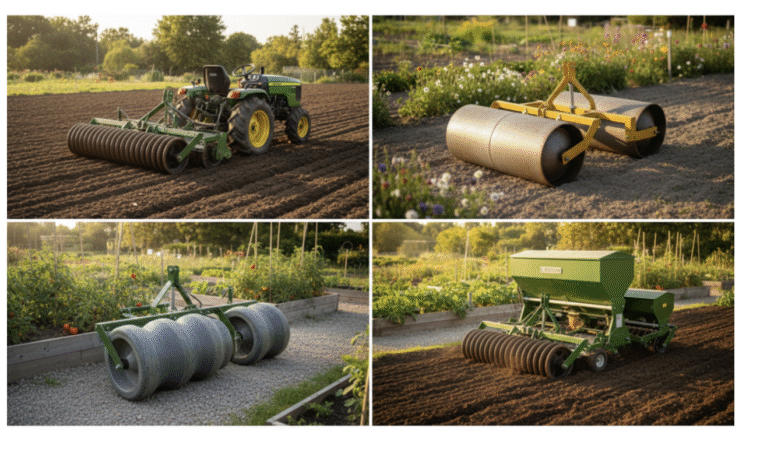
A cultipacker consists of heavy cylindrical rollers—often ribbed or corrugated—mounted on a sturdy axle. As the rollers turn across tilled soil, their weight compresses the surface while the ridges create shallow furrows that help retain moisture and anchor the seeds. These furrows also provide a small amount of wind protection for smaller seeds that might otherwise be displaced by the breeze. Matching the implement to the towing capacity of your specific vehicle is essential to ensure safe and effective operation across varying terrain.
These tools are designed to be heavy enough to firm the top layer of earth without causing the deep compaction that can damage delicate root systems or restrict water drainage. By utilizing a series of notched or smooth drums, these rollers ensure that the seedbed remains porous enough for oxygen while remaining dense enough to hold moisture close to the surface. Standard configurations from Packer Maxx, John Deere, and Land Pride utilize weighted rollers to consolidate loose soil and create a level surface that is ideal for high-percentage seed germination.
The specific design and weight of these rollers allow them to perform several distinct tasks within a single pass. To choose the right equipment, it is important to understand the standard varieties available for modern land management:
- Pull behind cultipacker: These units hitch to a tractor, ATV, or riding mower, making them practical for larger gardens and small-scale farming operations where efficiency is a priority.
- Roller packer: This remains a versatile middle-ground option that adapts to various soil types and garden sizes by providing consistent surface firming.
- Water filled cultipacker: These models feature hollow rollers that can be filled with liquid for adjustable weight, allowing for customization based on soil density or moisture content.
- Cultipacker seeder: A high-efficiency option that combines a seed distribution hopper with packing rollers to complete planting and firming simultaneously.
The choice depends entirely on the scale of the garden, the soil composition, and whether you are preparing beds for direct seeding or transplants. Finding a tool that fits your existing storage and power is key to long-term success. By establishing this infrastructure, a family can ensure their soil remains productive for many years.
The Efficiency of Cultipacker Seeders
Cultipacker seeders merge two operations—seed distribution and soil firming—into one efficient process. This integration appeals particularly to gardeners focused on resource conservation and time management. The benefits extend beyond convenience, as reducing the number of passes over the soil helps maintain its natural structure and prevents unnecessary tire tracks. Using a cultipacker seeder ensures that seeds drop onto prepared soil and are immediately pressed into contact, ensuring uniform depth and spacing across the entire plot. This method significantly improves germination rates by eliminating the delay between planting and packing, maintaining optimal moisture around every seed.
For families establishing cover crops, wildflower meadows, or large vegetable gardens, these tools streamline what would otherwise require separate equipment and multiple trips across the same ground. This integration of tasks provides several logistical advantages, such as reduced fuel consumption and improved germination rates. By completing two tasks in one pass, growers cut tractor or ATV runtime, lowering both emissions and operating costs. Furthermore, fewer passes over the garden preserve soil structure and minimize the risk of creating hard-packed paths in the growing area. Modern equipment is designed to be as non-invasive as possible, ensuring that the biology of the soil remains active.
Whether you are using a cultipacker for food plots or a simple backyard vegetable patch, the reduction in labor is immediate. This allows more time for other critical tasks like pruning, composting, and harvesting. Even a smaller cultipacker can save hours of back-breaking manual labor when establishing new beds or restoring existing turf areas after a long winter. Choosing the right roller packer ensures that the soil is ready for the delicate process of early growth and development. By focusing on these efficiency metrics, a family can reduce the ecological footprint of their gardening efforts while maximizing their seasonal output.
Building the Foundation: Soil Preparation Essentials
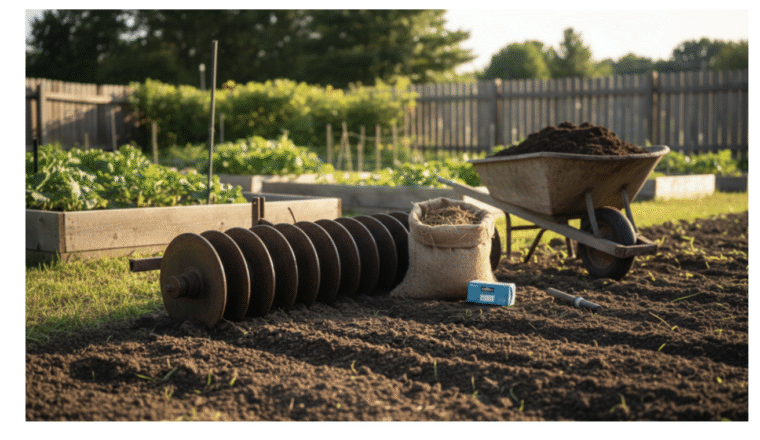
Successful gardening begins below the surface. Before any cultipacker rolls across your plot, several preparatory steps set the stage for healthy plant growth. Effective soil preparation involves multiple techniques, including tilling to break up compacted layers and incorporating organic matter to improve aeration. Proper groundwork directly correlates with crop yields and long-term plant health. Effective soil preparation involves multiple techniques:
- Tilling: Breaking up compacted layers and incorporating organic matter improves aeration and root penetration.
- Amendment: Working in compost, aged manure, or other organic materials boosts nutrient content and enhances soil texture.
- Testing: Laboratory analysis reveals pH levels and nutrient deficiencies, allowing targeted corrections before planting.
- Mulching: Applied after planting, mulch conserves moisture, moderates temperature swings, and suppresses competing weeds.
The process of amendment, where compost or aged manure is worked into the earth, boosts nutrient content and enhances soil texture. Testing the soil through laboratory analysis reveals pH levels and nutrient deficiencies, allowing for targeted corrections before the first seed is even planted. Once the ground is loose and enriched, the cultipacker enters the sequence to consolidate the soil, preventing the wind from stripping away the nutrient-rich topsoil. Timing is a critical factor in this sequence. Soil should be neither saturated nor dust-dry when you pack it. Working the earth at the right moisture content ensures that the cultipacker creates the ideal environment for the seeds to thrive.
Consistent moisture retention is one of the most significant benefits of a well-packed seedbed, especially in regions prone to dry spells. Proper preparation also makes the garden more resistant to pests and diseases that often target stressed or weak plants. Establishing this solid foundation is the most important step any family can take toward a truly sustainable and productive home garden. These technical details ensure that every seed is given a fighting chance against environmental pressures. Maintaining the biological integrity of the topsoil is essential for long-term land health and productivity, allowing for a more resilient ecosystem. When the cultipacker finishes its pass, the surface should look uniform and feel firm underfoot.
Why Firming Soil Improves Garden Performance
By definition, soil compaction refers to an increase in bulk density and a corresponding decrease in porosity caused by external loads. Agricultural research regarding soil compaction in crop production distinguishes between beneficial surface firming and harmful deep compaction that can negatively affect crop growth for years. While deep compaction is difficult to eliminate and leads to restricted root growth and poor water infiltration, surface-level firming is a manageable process that helps the soil supply water and nutrients to the crop more effectively. The tool’s weight and design target only the top few inches, creating ideal seedbed conditions without damaging soil structure below the root zone. Strategic soil compaction delivers several advantages:
- Enhanced seed-to-soil contact: Seeds pressed against firm soil absorb moisture more efficiently than those suspended in air pockets.
- Moisture retention: Firmed soil maintains capillary action that draws water upward from deeper layers, reducing irrigation needs.
- Erosion resistance: A consolidated surface better withstands wind and rain, protecting topsoil and preventing seed displacement.
- Uniform emergence: When all seeds contact soil at the same depth and moisture level, they germinate simultaneously.
This principle applies equally whether you are planting carrots in raised beds or establishing a cultipacker for food plots in a back field. The key is matching the degree of compaction to the size of the seed—tiny seeds need gentler firming than larger beans or corn. A consolidated surface better withstands the elements, protecting topsoil and preventing the seed displacement that can occur during heavy rains. This consistency allows the plants to grow as a community, shading out weeds naturally as they develop. Matching the weight of your equipment to your specific planting needs is the hallmark of a successful grower.
Whether you use a roller packer or a larger towing unit, the goal is to provide a safe harbor for the seeds. This intentional approach results in higher yields and a more resilient garden ecosystem overall. By understanding the biology behind the seed, a homeowner can use their cultipacker to mimic the natural processes that occur in undisturbed wild grasslands. This ensures that the soil remains a living resource capable of supporting diverse plant life. Through the careful application of weight and texture, you can create a landscape that is both productive and environmental.
Establishing Food Plots for Wildlife
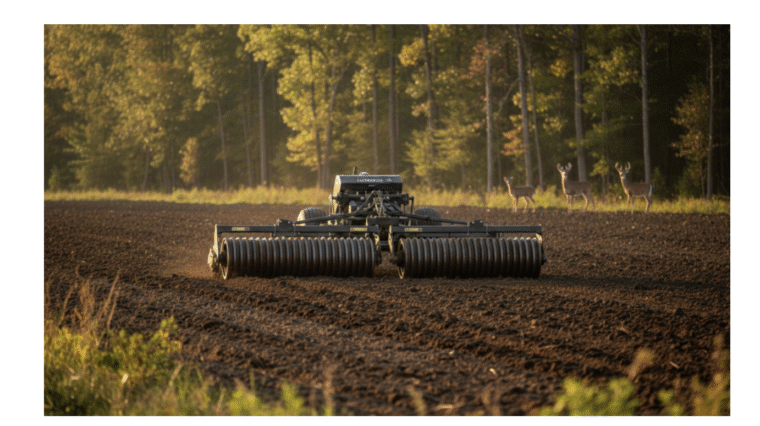
Beyond vegetable gardens, these implements play an essential role in creating specialized areas that support local wildlife populations. These planted areas provide nutrition for deer, birds, and other animals, particularly during seasons when natural forage becomes scarce. Success in these projects depends heavily on seed establishment and the use of a food plot roller to ensure the seeds are not left vulnerable on the surface. The process typically follows this sequence:
- Site Preparation: Till or disk the plot area to break up existing vegetation and create a loose seedbed.
- Seed Distribution: Broadcast seed appropriate to the season and target wildlife species across the prepared ground.
- Soil Firming: Roll the plot with a cultipacker to firm soil around seeds and protect them from predators.
- Ongoing Monitoring: Track germination rates and adjust future plantings based on the specific success of the plot.
The ecological benefits extend beyond feeding wildlife, as well-established plots reduce browsing pressure on surrounding forests and gardens. Many wildlife managers prefer cultipacker seeders for food plots, as the combined operation ensures seeds are covered and firmed in a single pass. This efficiency matters when managing multiple plots across larger properties. By creating diverse habitats through strategic planting, families can improve the biodiversity of their land while enjoying the sight of local animals thriving in a healthy environment. A well-placed food plot roller acts as a buffer zone that supports the wider ecosystem. Using a cultipacker for food plots ensures that even in rougher terrain, your seeds find the home they need to survive.
A Simpler Approach to Long-Term Land Care
Looking ahead, taking care of your garden is moving away from quick chemical fixes and back toward a smarter way of working with nature. Using a tool like a cultipacker isn’t about making your weekend harder; it’s about making sure the work you do actually sticks. When you spend that extra time getting the soil right, you’re essentially setting up your entire yard for a healthier future with a lot less stress.
It all starts with being honest about what your land actually needs and what gear makes sense for your space. Whether you’re just trying to keep a small lawn looking sharp with a roller packer or you’re out in the back fields with a pull-behind cultipacker to help out the local wildlife, the basic idea is the same. Keeping your equipment clean and ready to go ensures you’re always prepared for the next planting window. By putting the health of the dirt first, you can make sure your garden stays productive and easy to manage for years to come.
