
Transform Your Space: The Ultimate Guide to an Organized Home
Some evenings, you walk inside and feel the clutter hit before you even take off your shoes. Nothing dramatic. Just that slow reminder that your home needs a little more breathing room. Peoria, Illinois, has its own way of adding to the mix.
Older homes feel warm and familiar, yet the storage quirks test your patience. Seasons shift, and your stuff shifts with them, piling up in corners you didn’t plan for. Wanting an organized home isn’t the hard part. Finding the energy to start is what trips you up.
Tackling the Mental Roadblocks Before the Mess Itself
Clutter doesn’t just sit on shelves or floors. It sits in your head, too. You look at a pile and feel something heavy before you even touch it. Thoughts creep in about what you should’ve handled sooner. The guilt feels louder than the mess itself.
Plenty of people avoid organizing because the work feels personal. You see projects you never finished or items you bought with good intentions. You see versions of yourself you outgrew. Sorting through all that can stir up doubt and frustration.
Facing the Overflow Without Panic
Every home hits a point where things stop sliding neatly into place. You shuffle shelves, shift boxes around, and keep trying to convince yourself there’s still room. The mess doesn’t listen. It keeps growing until it feels like a slow wave creeping toward you.
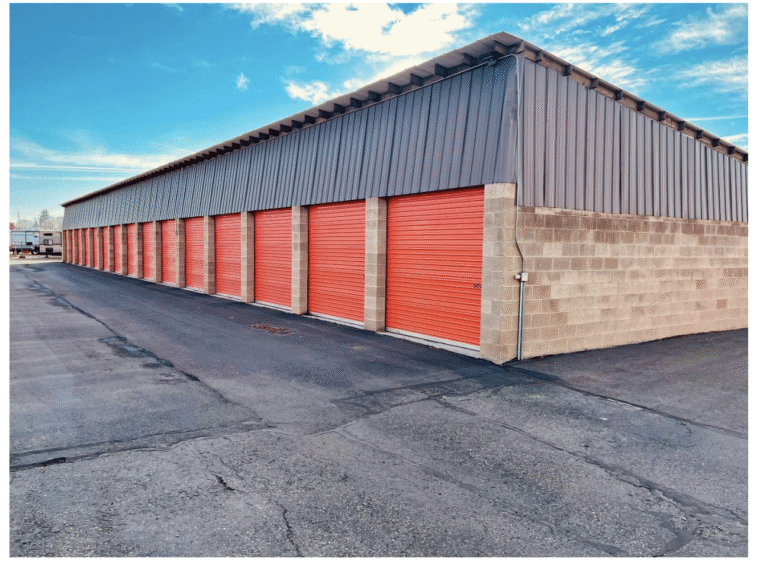
Plenty of people reach that stage where they stand in the middle of a room and think, “I can’t sort all this right now.” That moment is normal. You’re not supposed to make perfect decisions under pressure. You just need a little breathing space so everything doesn’t feel like one giant problem. An extra room outside the house can help create that pause. If you’re looking to rent offsite storage units Peoria has several facilities that offer simple options for keeping items safe while you decide what truly belongs in your home. The goal isn’t to hide clutter. It’s to lighten the load on your mind so choices come from clarity instead of stress.
Creating Zones That Actually Make Sense for Real Life
Advice online makes organizing look effortless until you try living with it. A picture-perfect system falls apart the moment you’re tired or running late. Zones help because they match the way you naturally move around your space.
A drop zone near the door catches keys, mail, and whatever you usually lose. A small basket in the living room keeps remote controls and small items from spreading everywhere. A simple coffee corner stops the morning scramble because everything sits where your hands reach.
Choosing What Stays Without Falling Into Emotional Spirals
Sorting out what to keep sounds simple until emotions get involved. A gift you never used. Supplies for a hobby you drifted away from. Clothes tied to memories you haven’t revisited in years. These things slow your progress and tug at you in ways you didn’t expect.
A softer approach works better than forcing yourself to toss everything quickly. Ask simple questions. Does this make my life lighter? Does it still fit the person I’m becoming? Items don’t need to be perfect to stay, but they should have purpose. You don’t need to chase minimalism. You just need clarity.
Building Systems That Even a Tired Future You Can Maintain
A system that depends on a perfect day will fall apart the moment your schedule slips. The best setups work even when you feel drained. Clear bins with simple labels help you see what’s inside without digging. A laundry basket placed where clothes actually pile up keeps the room steady. A one-minute reset at night pulls things together without draining your energy.
Maintenance stays manageable when the effort stays small. Tiny habits stack quietly and create more relief than any big weekend cleanup.
Rethinking the Spaces People Usually Ignore
Plenty of clutter problems hide in spots you barely notice. Corners behind doors collect random bags you forgot you owned. Shelves you can’t reach turn into storage for things you don’t even remember buying. The space under the bed becomes a mystery zone that grows heavier every month.
A fresh look helps. You might find that a single underutilized area can relieve pressure from an entire room. Even a small drawer you reclaim gives you one less place that nags at your mind. These forgotten spaces don’t need dramatic makeovers. They just need purpose. Little shifts can release more tension than you expect.
Using What You Already Have Before Buying Anything New
The urge to shop hits fast when you start organizing. It feels like the right bins or cute baskets will magically solve everything. That rush fades the moment you get home and realize the stuff still exists, just in nicer containers.
Tools you already own often work better than anything new. Shoeboxes become dividers. Jars hold pens, clips, and small pieces that always vanish. A simple tote can gather items that drift from room to room. These solutions cost nothing and usually feel more natural because they fit your life already. A home becomes lighter when you use what’s available instead of chasing a perfect setup. You’re not trying to impress anyone. You’re just trying to breathe easier.
Keeping Motivation Alive When Everything Feels Like a Lot
Plenty of people hit a point where the whole project feels heavier than expected. You start steady, then reach the middle, and everything looks messier than before. That sight can knock the wind out of you. You wonder why you even bothered. You wonder if finishing is worth the headache.
Tiny steps help more than big bursts of energy. Clearing one small surface gives you a moment of relief. Sorting one drawer reminds you that progress is real even when it feels slow. Short pauses work better than pushing through frustration until you’re drained.
An organized home doesn’t need to look flawless. It just needs to support your life without adding weight to it. The work happens in small choices that build trust in yourself. You clear a surface. You sort a corner. You make space where you didn’t think space existed.
Relief doesn’t show up all at once. It settles in gradually. One moment, you notice the room feels calmer. Another moment, you catch yourself relaxing without that familiar tension in your shoulders. The goal is comfort. The goal is ease.
