
Designing the Perfect Backyard Sports Court for Year-Round Play
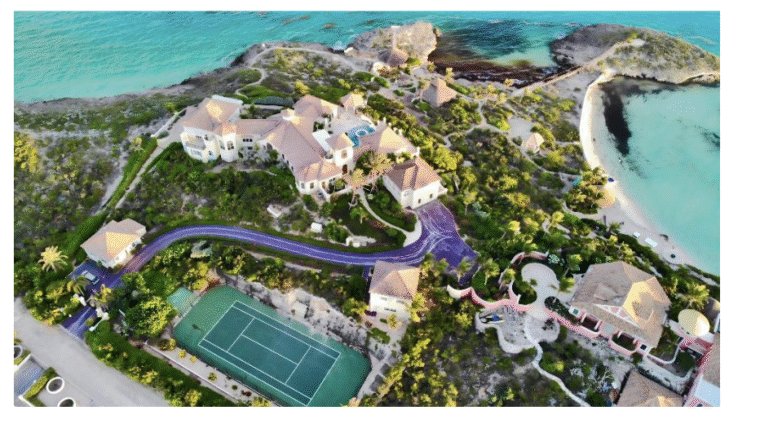
A backyard sports court turns an ordinary yard into a place where the whole family can stay active without ever leaving home. In Idaho and Arizona, where mild winters and long stretches of sunshine make outdoor living a year-round affair, a well-planned court becomes one of the most rewarding additions a homeowner can make. The goal is to create a space that holds up to heavy use, suits the local climate, and adapts to more than one sport.
Getting the design right takes more than simply pouring a slab and painting a few lines. Every decision, from the size of the playing area to the type of surface and the direction the court faces, shapes how often the court actually gets used.
Start with the Space and the Sports
Before any construction begins, take an honest look at the yard and the sports the family actually plans to play. A court built for pickleball alone needs far less room than one meant to handle full basketball games or tennis matches. Many homeowners in Idaho and Arizona opt for a multi-sport layout that lines up basketball on one half and pickleball or mini tennis on the other, which stretches the value of the space without forcing anyone to choose a single favorite.
The shape of the yard matters just as much as the square footage. A long, narrow strip behind the house might suit a lap court for shooting hoops and practicing drills, while a wider open area opens the door to a full-size game court. Sun exposure, existing trees, underground utilities, and slope all influence where the court can realistically sit.
Once the rough vision starts to take shape on paper, the next step is to hire professionals and get an estimate. Get in touch with Hatz Court Builders for more information.
Choosing a Surface That Works All Year
Surface selection is where year-round play really comes to life. The three most common choices for residential courts are poured concrete with an acrylic coating, modular plastic tiles, and cushioned acrylic systems layered over concrete. Each has its own feel underfoot, and each handles heat, rain, and wear in its own way.
Acrylic coatings over concrete give a smooth, consistent bounce that players familiar with public courts will recognize right away. They come in a wide range of colors, which allows homeowners to mark out lines for multiple sports using contrasting shades. Modular tiles, on the other hand, snap together over a concrete base and allow a small amount of flex, which is easier on knees and ankles during longer sessions. Cushioned systems sit somewhere in the middle, offering extra give without sacrificing ball response.
In warmer climates, surface temperature becomes a real consideration. Lighter colors absorb less heat, which keeps the court more comfortable during summer afternoons. Good drainage also matters, because the occasional heavy storm should not be enough to keep anyone off the court for more than a few hours.
Planning for Weather and Lighting
Year-round play depends on year-round care. The good news is that a properly built court asks for very little attention. A soft broom or leaf blower clears debris quickly, and an occasional rinse with a garden hose keeps the surface looking fresh. Inspect the lines, nets, hoops, and fence hardware a couple of times a year so small issues get handled before they turn into bigger ones.
This is especially true in cities like Seattle. It is one of the famous cities in Washington where frequent rain and abundant greenery can lead to extra debris and moisture around outdoor courts. Partnering with experienced Seattle landscapers can help maintain proper drainage and create an attractive, low-maintenance outdoor space.
Lighting is the other half of the equation. A properly lit court stretches usable hours well into the evening, which matters during the shorter days of winter and for anyone who works until sunset. Modern LED fixtures mounted on low-profile poles provide even coverage across the playing surface without spilling harsh light into neighboring yards. Aim the fixtures carefully and consider using timers or simple switches near the back door so the court is always ready when the family wants to play.
Fencing, Landscaping, and Comfort Features
A good fence keeps loose balls in the yard, and players focused on the game. Most backyard courts use tall chain link or welded wire panels with a dark coating that blends into the surroundings. Windscreens attached to the fence cut down on stray breezes and give the court a more finished look. Around the edges, low hedges or decorative gravel beds soften the transition between the court and the rest of the yard.
Seating makes the space more social. A simple bench along the sideline, a small pergola with chairs, or even a shaded corner with a cooler turns the court into a gathering spot rather than just a workout zone. Thoughtful touches like a water station, a storage box for balls and paddles, and a small scoreboard add to the sense that the court belongs to the family rather than feeling like a borrowed public facility.
Keeping the Court Ready Season After Season
Year-round play depends on year-round care. The good news is that a properly built court asks for very little attention. A soft broom or leaf blower clears debris quickly, and an occasional rinse with a garden hose keeps the surface looking fresh. Inspect the lines, nets, hoops, and fence hardware a couple of times a year so small issues get handled before they turn into bigger ones.
Acrylic surfaces usually need a resurfacing refresh every several years, depending on how much traffic the court sees and how intense the weather has been. Modular tile courts tend to need even less, with individual tiles easy to swap out if one ever cracks or lifts. Staying ahead of routine maintenance is what keeps the court feeling new long after the initial excitement of the build wears off.
A backyard sports court rewards the time spent planning it. When the layout, surface, lighting, and finishing touches all line up with how the family lives and plays, the court stops being a project and becomes part of daily life, ready whenever someone grabs a ball and heads outside.
