
Essential Home Fixes to Make After a Natural Disaster
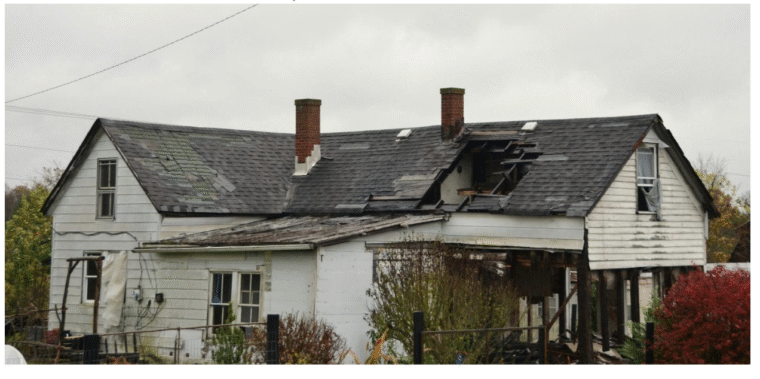
There’s a certain stillness that settles over a place after something has already happened. Not silence exactly. More like the absence of what used to be there—the low hum of appliances, the soft rhythm of water running where it should. In Spanish Fork, that feeling isn’t unfamiliar. The river has a history of rising beyond its edges, sometimes quietly, sometimes all at once. In 1983, flooding tied to a landslide swallowed an entire nearby town and caused damages exceeding $200 million, a reminder that water doesn’t always stay where it’s meant to.
And even now, flooding remains the most common and costly natural disaster across Utah, showing up again and again in ways both small and severe. After something like that, a house doesn’t look broken in one obvious way. It feels… shifted. As if the small, ordinary things that hold daily life together have loosened slightly.
Where water lingers
It usually starts with what can’t quite be seen. A faint line on drywall. A floor that feels different under bare feet—just slightly uneven, just a little softer than before. Cabinets that don’t close the same way.
Water has a way of settling into places it wasn’t invited to. You may see them in:
- Inside walls
- Beneath the flooring
- Along the seams where materials meet and depend on each other.
Water damage restoration tends to begin here, in that quiet recognition that something has been altered beneath the surface. Not everything needs to be torn out at once, but some things can’t be left as they are either. Drying, removing, replacing—slow work, often more careful than it sounds. If you’re looking for companies that provide water damage restoration Spanish Fork UT has several options equipped to handle cleanup, repairs, and full property recovery after flooding or leaks. Even then, it’s less about returning things to how they were and more about making them stable again. Safe to live with.
The structure that holds everything up
There’s a moment, usually later, when attention shifts downward. Toward the foundation. Toward the parts of a house that aren’t often thought about until something feels off.
Hairline cracks, slight separations, doors that no longer align with their frames, among others, are a few of the issues that you may witness. These are not dramatic signs, but they carry weight. Water can move soil, soften it, shift it just enough that the house above begins to adjust in response. Fixing this part isn’t about urgency in the obvious sense. It’s about patience. Sealing cracks. Reinforcing weak points. Making sure that what supports everything else hasn’t quietly changed its shape.
Air, light, and what circulates
After water, air starts to feel different, too. Heavier, sometimes. Or stale in a way that’s hard to describe. Moisture doesn’t leave all at once. It lingers in insulation, in ducts, in the small enclosed spaces that move air through the house. Over time, that can turn into something else—an odor that doesn’t quite go away, a discomfort that settles into rooms without a clear reason.
This is where small fixes matter more than expected. Cleaning vents. Replacing sections of insulation. Letting spaces dry longer than feels necessary. Not dramatic work. But it changes how a room feels when sitting in it. How it feels to breathe there, even without noticing why.
Surfaces that meet daily life
Water tends to leave marks in places like floors, walls and counter edges in quieter ways. Warped boards that shift under weight. Paint that bubbles slightly at the corners. Trim that pulls away just enough to catch the eye without fully revealing why. Repairing these doesn’t always happen all at once. Sometimes a single room gets attention first. Sometimes it’s just one section of flooring, replaced and left to settle into the rest of the space.
And slowly, the house starts to feel usable again. Not perfect. Just… reliable.
The edges where water returns
It’s not always the inside that needs attention. Sometimes the outside quietly invites the same problem back. Gutters that pulled loose during a storm. Downspouts that no longer carry water far enough away. Soil that has shifted just enough to slope toward the house instead of away from it.
These details are easy to miss at first. Everything outside looks roughly the same. But when the next rain comes—and it always does—water follows the easiest path. Redirecting it matters more than it seems. Reattaching gutters. Extending drainage. Adjusting grading where it’s settled unevenly. Small corrections, but they change where the water goes next time.
The small openings that let things in
There are places in a house that only become noticeable after something goes wrong. The thin line around a window frame. The edge where a door meets its threshold. The seam along a roofline that once felt sealed simply because nothing had tested it yet.
After a storm or flood, these openings feel different. Not bigger, necessarily. Just more real. More capable of letting something through. Fixing them is rarely dramatic work. Caulking cracks. Replacing worn weatherstripping. Checking shingles that may have lifted just enough to matter later. It’s the kind of work that doesn’t stand out when it’s done well.
The systems that keep things running
Some of the most important fixes don’t change how a house looks at all. Electrical lines checked after water exposure. Plumbing is inspected for pressure changes or hidden leaks. Heating systems cleared and tested.
These are the parts that don’t announce themselves unless something goes wrong. But after a natural disaster, they carry a kind of quiet uncertainty. Making sure they’re working properly isn’t about improvement. It’s about removing that uncertainty. Or at least reducing it enough that everyday life can move without hesitation.
Over time, the repairs blend in. The replaced sections stop standing out. The new materials take on the same wear as the old ones. But something stays slightly different. Not in a way that demands attention. Just in the way people move through the space afterward. A little more aware of where water might gather. A little quicker to notice when something feels off.
Homes don’t fully forget what they’ve been through. They adjust. And the work that follows—slow, practical, sometimes uneven—becomes part of that adjustment too. Not a reset. Just a continuation, with a few things understood more clearly than before.
