
Simple Ways to Protect Your Home from Unexpected Water Leaks
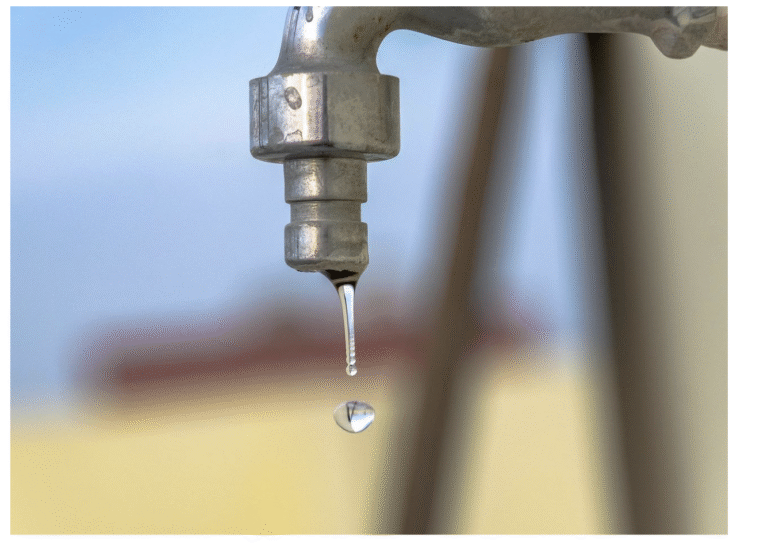
Water leaks are one of the most overlooked threats in a home, often developing quietly behind walls or beneath floors. Over time, even a minor leak can weaken structural components, damage finishes, and create conditions for mold growth. Homeowners in areas like Columbus, where seasonal temperature changes can strain plumbing systems, may face an increased risk of hidden moisture issues year-round.
Addressing these risks early is not just about avoiding inconvenience. It is about preserving the integrity and value of your property. Preventive maintenance, routine inspections, and awareness of warning signs all help reduce long-term damage. By taking a proactive approach, homeowners can avoid costly repairs and maintain a safe, dry living environment.
Why Hidden Leaks Are So Difficult to Detect Early
Hidden leaks often develop in places that are not easily visible, such as inside walls, under flooring, or behind large appliances. Because of this, they can persist for weeks or even months without being noticed. Small indicators like a faint musty smell or a slight stain on the ceiling are easy to dismiss, allowing the problem to worsen over time. As moisture continues to spread, it can quietly damage structural elements and create conditions that support mold growth.
When a leak finally becomes visible, the damage is often already extensive. In these situations, quick action is essential to prevent further deterioration and protect the home’s structure. If you are looking for services like water damage restoration Columbus has plenty of options available. Choosing a reliable service provider ensures that excess moisture is properly removed, affected areas are treated, and the risk of long-term issues such as mold or weakened materials is significantly reduced.
Common Culprits: Where Household Leaks Usually Start
Many household leaks begin in commonly used fixtures and appliances. Spaces beneath sinks, around toilets, and near water heaters are more prone to issues. With regular use, seals can degrade, fittings may loosen, and pipes can gradually corrode, resulting in slow, often unnoticed water loss.
Appliances also account for a large share of unexpected leaks. Washing machines, dishwashers, and refrigerators rely on water lines that can degrade with use. Regularly inspecting these components and replacing worn parts can help homeowners avoid sudden failures that may lead to significant water damage.
The Power of Early Detection Technology
Modern technology offers effective solutions for identifying leaks before they cause serious harm. Smart leak detectors can be placed in high-risk areas and will immediately alert homeowners through mobile notifications if moisture is detected. This allows for a fast response, even when no one is at home.
In addition to sensors, automatic shut-off valves provide an added layer of protection. These systems monitor water flow and can stop it instantly if unusual activity is detected. By investing in these tools, homeowners gain greater control over their plumbing systems and reduce the risk of costly damage.
Appliance Maintenance: Small Checks That Prevent Big Problems
Routine appliance maintenance is one of the simplest ways to prevent water leaks. Washing machine hoses should be checked regularly for cracks, bulging, or signs of wear. Replacing older rubber hoses with more durable materials can significantly reduce the risk of sudden failure.
Dishwashers and other water-connected appliances also require attention. Door seals, connections, and internal components can degrade over time. By performing regular inspections and addressing minor issues promptly, homeowners can extend the lifespan of their appliances and prevent unexpected water-related problems.
Roof and Gutter Integrity: Your First Line of Defense
Your roof and gutter system play a critical role in keeping water out of your home. When gutters become clogged with debris, water can overflow and seep into the roofline or siding. Over time, this can lead to hidden moisture buildup inside walls and ceilings. Regular cleaning ensures water flows away from the home as intended.
Roof inspections are equally important. Damaged shingles, worn flashing, or small gaps can allow water to enter during heavy rain. Homeowners should check for visible wear at least twice a year.
Plumbing Pressure: Managing the Stress on Your Pipes
High water pressure can quietly damage your plumbing system. While high pressure may seem convenient, it continuously strains pipes, joints, and appliance connections. Over time, this stress increases the risk of leaks, cracks, or sudden pipe bursts that can cause significant damage.
Installing a pressure regulator helps maintain safe and consistent water flow throughout the home. Homeowners can also use a simple pressure gauge to monitor levels and ensure they stay within the recommended range. Maintaining balanced pressure not only extends the life of your plumbing system but also reduces the likelihood of unexpected failures.
Seasonal Preparedness: Preventing Weather-Related Leaks
Seasonal changes can create new risks for water damage if a home is not properly prepared. During colder months, exposed pipes are vulnerable to freezing, which can cause them to expand and eventually rupture. Insulating pipes and disconnecting outdoor hoses are simple but effective preventive measures.
Heavy rain and storms also test the strength of a home’s exterior. Checking drainage systems, sealing gaps, and ensuring proper grading around the foundation can help direct water away from the structure. Taking time to prepare for seasonal conditions reduces the chances of sudden leaks and protects your home year-round.
Professional Intervention: Knowing When to Call the Experts
Some water issues go beyond what routine maintenance can address. Leaks hidden behind walls or beneath flooring often require specialized tools to locate and repair. Professionals use equipment such as moisture meters and thermal imaging to detect problems that are not visible to the naked eye.
Timely professional intervention can prevent minor issues from becoming major repairs. Experts can also ensure that affected areas are properly dried and treated to avoid mold growth. Knowing when to seek help is an important part of responsible homeownership and can save both time and money in the long run.
Building a Safer, Drier Home
Protecting your home from unexpected water leaks requires consistent attention and smart planning. Regular inspections, proper appliance maintenance, and the use of modern detection tools all contribute to a more secure living space. Small actions taken early can prevent extensive damage later.
A well-maintained home not only reduces repair costs but also supports a healthier indoor environment. By staying proactive and addressing risks as they arise, homeowners can maintain comfort, safety, and long-term property value without unnecessary stress.
