
Why Coconut Acai Bowls Are the Secret Weapon for Feeding Picky Eaters
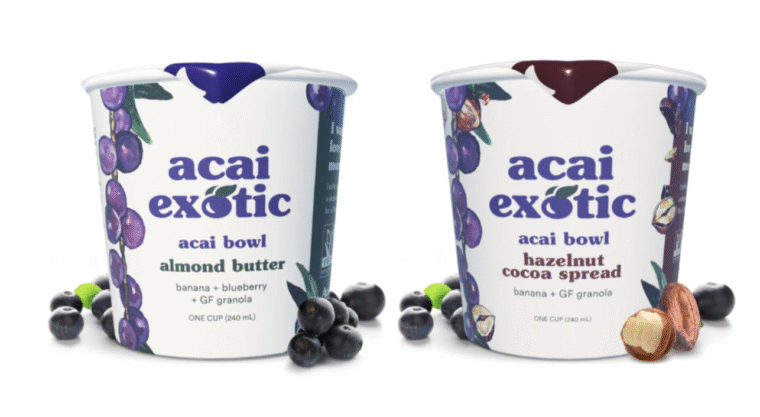
Parents and caregivers know the struggle: finding a snack that’s both nutritious and appealing to selective palates can feel like an impossible task. Enter the coconut acai bowl—a creamy, naturally sweet option that manages to deliver serious nutritional value while tasting like a treat. The combination of rich coconut and tangy acai creates a flavor profile that even the most resistant eaters find hard to refuse, while packing in antioxidants, healthy fats, and essential nutrients that support growing bodies and active lifestyles.
The Nutritional Case for Coconut-Based Acai Bowls
Coconut brings more to the table than just tropical flavor. Its medium-chain triglycerides (MCTs) provide quick, sustained energy without the blood sugar spike of refined carbohydrates. According to research on coconut’s health properties, these fats are metabolized differently than other saturated fats, making them a preferred fuel source for both brain and body.
When paired with acai—a berry that ranks among the highest antioxidant foods available—the nutritional benefits multiply. Here’s what makes this combination particularly effective:
- Sustained Energy: The healthy fats in coconut slow digestion, preventing the energy crashes common with sugary snacks.
- Immune Support: Acai berries contain anthocyanins and other compounds that support immune function and reduce inflammation.
- Digestive Health: Coconut provides dietary fiber that promotes healthy gut bacteria and regular digestion.
- Brain Development: The combination of MCTs and omega fatty acids supports cognitive function, particularly important for growing children.
Building the Perfect Coconut Acai Bowl
Creating a bowl that appeals to reluctant eaters starts with getting the base right. The texture matters as much as the taste—too thin and it feels like a drink, too thick and it becomes difficult to eat. Professional chefs recommend using frozen fruit and minimal liquid to achieve that signature spoonable consistency.
Here’s a straightforward approach that works:
- Start with Quality Ingredients: Use frozen acai puree packets, full-fat coconut milk, one ripe banana, and a touch of raw honey. Having your toppings prepped—granola, sliced fruit, nuts, seeds—makes assembly quick.
- Blend Strategically: Combine the acai puree, half a cup of coconut milk, and the banana in a high-speed blender. Start on low and gradually increase speed, using the tamper to push ingredients down. The goal is a thick, ice-cream-like consistency.
- Adjust Sweetness Thoughtfully: Add honey or maple syrup gradually, tasting as you go. Many find that ripe bananas provide enough sweetness on their own.
- Make It Visual: Pour into a wide bowl and arrange toppings in sections or patterns. The visual appeal significantly increases acceptance among picky eaters.
For those seeking a convenient option without the prep work, brands like AcaiExotic, Sambazon, and Açaí Roots offer pre-made coconut acai bases that deliver consistent quality and save considerable time during busy mornings.
Customization Strategies That Win Over Skeptics
The beauty of coconut acai bowls lies in their adaptability. Unlike rigid meal plans, these bowls accommodate individual preferences while maintaining nutritional integrity. This flexibility proves particularly valuable when dealing with texture sensitivities or flavor aversions common among selective eaters.
Consider these modification approaches:
- Texture Variations: Add cacao nibs for crunch, nut butter for creaminess, or chia seeds for a tapioca-like texture.
- Flavor Layering: Incorporate mango for tropical sweetness, blueberries for tartness, or strawberries for familiar comfort.
- Sweetness Control: Use pitted dates for natural sweetness, reduce added sugars gradually, or let fruit carry the flavor.
- Protein Boosting: Blend in unflavored collagen, vanilla protein powder, or Greek yogurt for staying power.
- Allergen Accommodations: Swap coconut for oat milk if needed, use seed butter instead of nut butter, or choose gluten-free granola.
The key is involving picky eaters in the customization process. When children help choose toppings or arrange their bowl, they develop ownership over the meal, significantly increasing the likelihood they’ll actually eat it.
The Science Behind Why This Works for Difficult Eaters
Understanding why coconut acai bowls succeed where other healthy options fail requires looking at both nutrition science and behavioral psychology. The natural sweetness satisfies cravings without triggering the addictive response of processed sugars. Meanwhile, the creamy texture mimics comfort foods like ice cream, reducing the psychological resistance many picky eaters experience with obviously “healthy” foods.
Repeated exposure to nutrient-dense foods in appealing formats can gradually expand food acceptance, particularly when pressure and negative associations are removed from the eating experience.
The nutritional benefits extend beyond basic sustenance:
- Blood Sugar Stability: The fiber and fat content prevents the glucose spikes that lead to mood swings and energy crashes.
- Cardiovascular Support: Both coconut and acai contain compounds that support healthy cholesterol levels and heart function.
- Antioxidant Protection: Acai’s ORAC score (oxygen radical absorbance capacity) ranks among the highest of any food, helping combat cellular damage.
- Satiety Signaling: The combination of fiber, fat, and protein triggers fullness hormones more effectively than carbohydrate-heavy snacks.
Practical Strategies for Introduction and Acceptance
Successfully introducing any new food to a picky eater requires patience and strategy. The coconut acai bowl offers advantages here—its dessert-like appearance and customizable nature make it less threatening than obviously nutritious options like steamed vegetables or plain yogurt.
These approaches have proven effective across various age groups:
- Visual Appeal First: Create Instagram-worthy presentations with colorful fruit arrangements, drizzled nut butter, and artistic topping placement.
- Collaborative Creation: Let resistant eaters build their own bowls, choosing from pre-approved healthy toppings.
- Gradual Introduction: Start with tiny portions alongside familiar favorites, slowly increasing serving size as acceptance grows.
- Positive Association: Serve during relaxed, enjoyable times rather than stressful meal battles.
- Consistent Availability: Offer regularly without pressure, allowing curiosity to develop naturally over multiple exposures.
- Model Enthusiasm: Demonstrate genuine enjoyment yourself—children particularly respond to authentic positive modeling.
Avoid common pitfalls like bribing, forcing, or showing frustration. These tactics typically backfire, creating negative associations that make future acceptance even less likely.
Making Coconut Acai Bowls Part of Your Routine
The difference between a one-time experiment and a sustainable habit often comes down to convenience. Batch preparation makes coconut acai bowls practical even during hectic weekday mornings. Portion acai puree, pre-slice fruit, and store toppings in clear containers for grab-and-go assembly.
For families dealing with multiple picky eaters with different preferences, setting up a “bowl bar” on weekend mornings transforms breakfast into an engaging activity rather than a battleground. Each person customizes their creation, learning about nutrition through hands-on experience rather than lectures.
The coconut acai bowl represents more than just a trendy health food—it’s a practical solution to the very real challenge of nourishing selective eaters. By combining genuine nutritional value with appealing taste and texture, these bowls create a bridge between what children want to eat and what their bodies need. The customization options ensure that even the most particular palates can find a combination they enjoy, while the nutrient density provides the vitamins, minerals, healthy fats, and antioxidants essential for growth and development.
Whether you’re dealing with a toddler who refuses anything green, a teenager surviving on processed snacks, or an adult with longstanding food aversions, the coconut acai bowl offers a path forward. Start simple, involve your picky eater in the process, and remember that food acceptance is a journey, not a destination. With patience and the right approach, what begins as a novel treat can evolve into a nutritious staple that everyone actually looks forward to eating.
