The Pantry Upgrades Actually Worth Paying For
An expensive pantry is not automatically a better pantry. Sometimes a spoonful of good olive oil turns a plain bowl of beans into something you actually look forward to eating. Other times, a premium label only makes the receipt longer.
The trick is to spend more on ingredients that are noticeable, useful and hard to replace. That leaves room for a few interesting specialty foods without paying extra for flour, rice or every jar of dried herbs. The smartest pantry upgrades are small, deliberate choices, not a complete kitchen makeover.
What Makes Pantry Upgrades Worth the Cost?
Price matters less than the job an ingredient performs. Think about what happens when it hits the plate. A distinctive finishing oil stays prominent; an expensive oil used in a strongly seasoned stew may not. Good vanilla can stand out in a simple custard, while a highly decorated jar of ordinary sugar rarely changes the result.
Frequency is the second test. Paying a little more for the pepper you grind over dinner every day is easier to justify than buying a rare spice blend for a recipe you might never make again. Smaller amounts also help: a tiny jar of something fresh often beats a large container that loses its aroma before you reach the bottom.
That approach fits with Budget Savvy Diva’s guide to saving money at the grocery store: keep basic groceries affordable, watch unit prices and reserve a little room for items your household will genuinely enjoy. Being selective is the point, not buying everything from the premium shelf.
Everyday Pantry Upgrades That Actually Change a Meal
A few categories routinely reward a modest trade-up because their flavor is easy to recognize. The key is to buy them for a specific use, rather than assuming a higher price means every dish will be better.
Finishing olive oil, not another all-purpose bottle
Keep a reasonably priced cooking oil for sautéing and roasting. For meals that need a final drizzle, a fresher extra virgin olive oil can bring peppery, grassy or fruity notes that remain noticeable on warm vegetables, tomato salads and bread. Brands such as Graza offer separate products for cooking and finishing, a useful reminder that one oil does not have to do both jobs.
Buy the size you can use while it still tastes fresh, and store it away from heat and bright light. The upgrade is flavor at the finish, not the promise that the most expensive bottle will always taste best.
Fresh spices you reach for every week
Cumin, paprika, cinnamon and black pepper are reasonable places to experiment because old stock can taste flat. Fresh whole spices or recently ground small batches may make familiar soups, beans and roasted vegetables more aromatic. Burlap & Barrel is one example of a producer that emphasizes the origins and distinct character of individual spices.
There is no prize for buying a whole new spice rack. Budget Savvy Diva’s tip on sharing the cost of spices suggests splitting a purchase with someone who needs the same ingredient. That is especially practical when buying a specialty spice in a quantity larger than you can use.
Vanilla that can carry a simple dessert
Real vanilla extract deserves consideration when vanilla is a leading flavor rather than a background note. A basic pudding, shortbread or whipped cream leaves less room to hide weak flavor. Nielsen-Massey, for example, sells a pure vanilla extract made from vanilla beans, but a smaller bottle of a reliable brand may be the better choice for an occasional baker.
Vanilla flavoring is not automatically inferior for every purpose. In a heavily spiced cake, the difference may be subtle. Use the better extract where you expect to notice it, and skip the expensive bottle when you do not.
A vinegar with one clear role
A bright wine vinegar or well-made balsamic can change a dressing, quick-pickled vegetables or a pan sauce with only a small amount. Choose one whose acidity or sweetness you enjoy. A pantry filled with six nearly identical vinegars is not an upgrade if they sit untouched.
Why Sourcing Matters for Specialty Pantry Upgrades
Origin can explain why some foods cost more without proving that every expensive version is better. Single-origin spices may come from a particular harvest or growing region. Specialty honey can reflect the flowers visited by bees, the season, and the way the honey is collected and handled.
The useful questions are practical: does the seller identify where the food comes from, what distinguishes it, and how its quality is checked? Clear answers give a shopper more to work with than a vague phrase such as “rare” or “premium.” Traceability is information, not a substitute for evaluating whether the food suits the household.
IMAGE 1 OF 2: publisher asset, delete this block before publishing
File name: lp7-img-08.webp
Original image: Download from client CDN
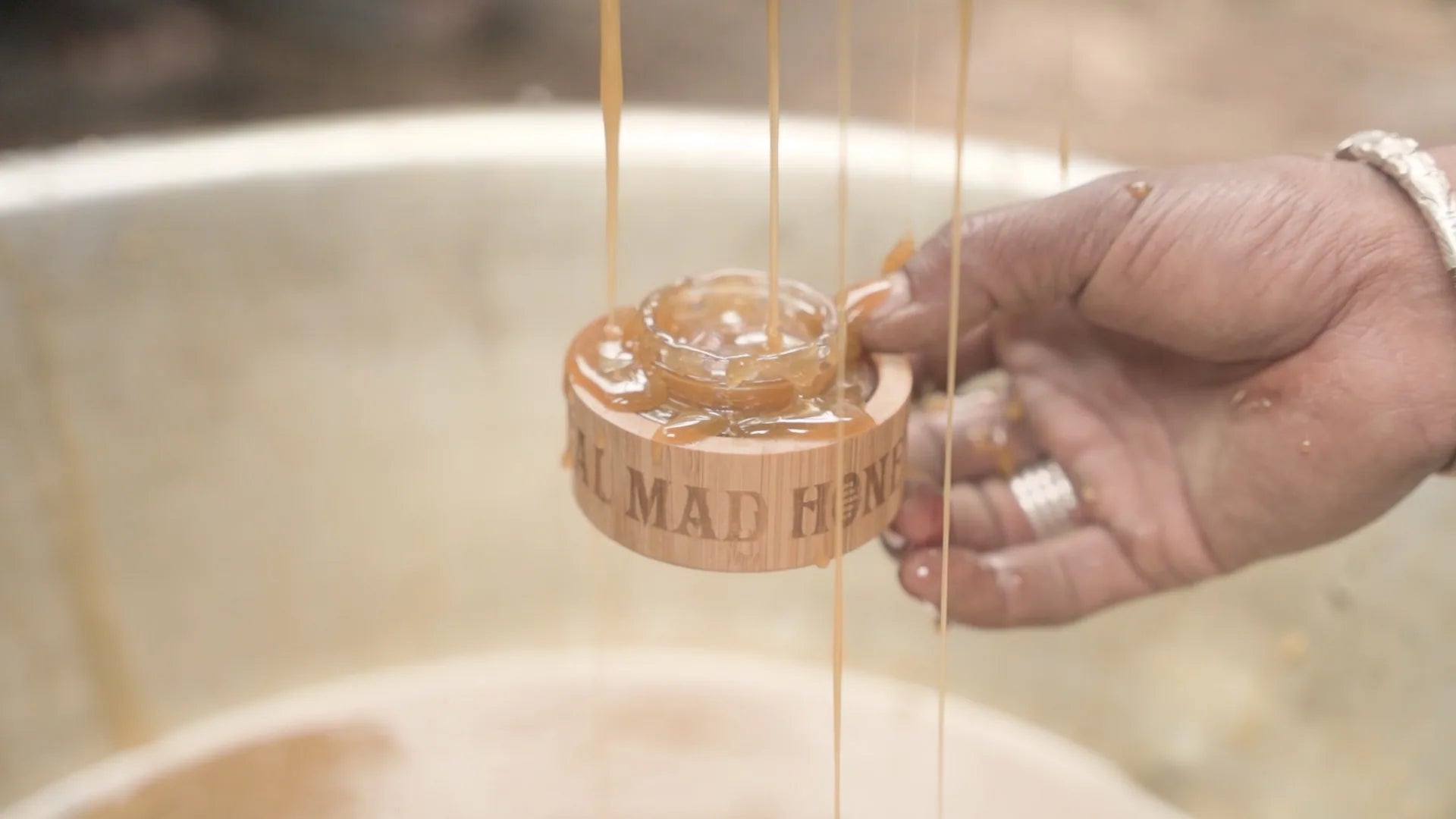
Alt text: Golden honey being poured by hand into a wooden Real Mad Honey jar during the Nepal harvesting process
Where Specialty Honey Fits Among Pantry Upgrades
Most households can stick with ordinary clover, orange blossom or wildflower honey for toast, baking and sweetening. A small jar from a different floral origin can be an interesting purchase for someone curious about taste and sourcing, but not every unusual honey belongs in the everyday cooking rotation.
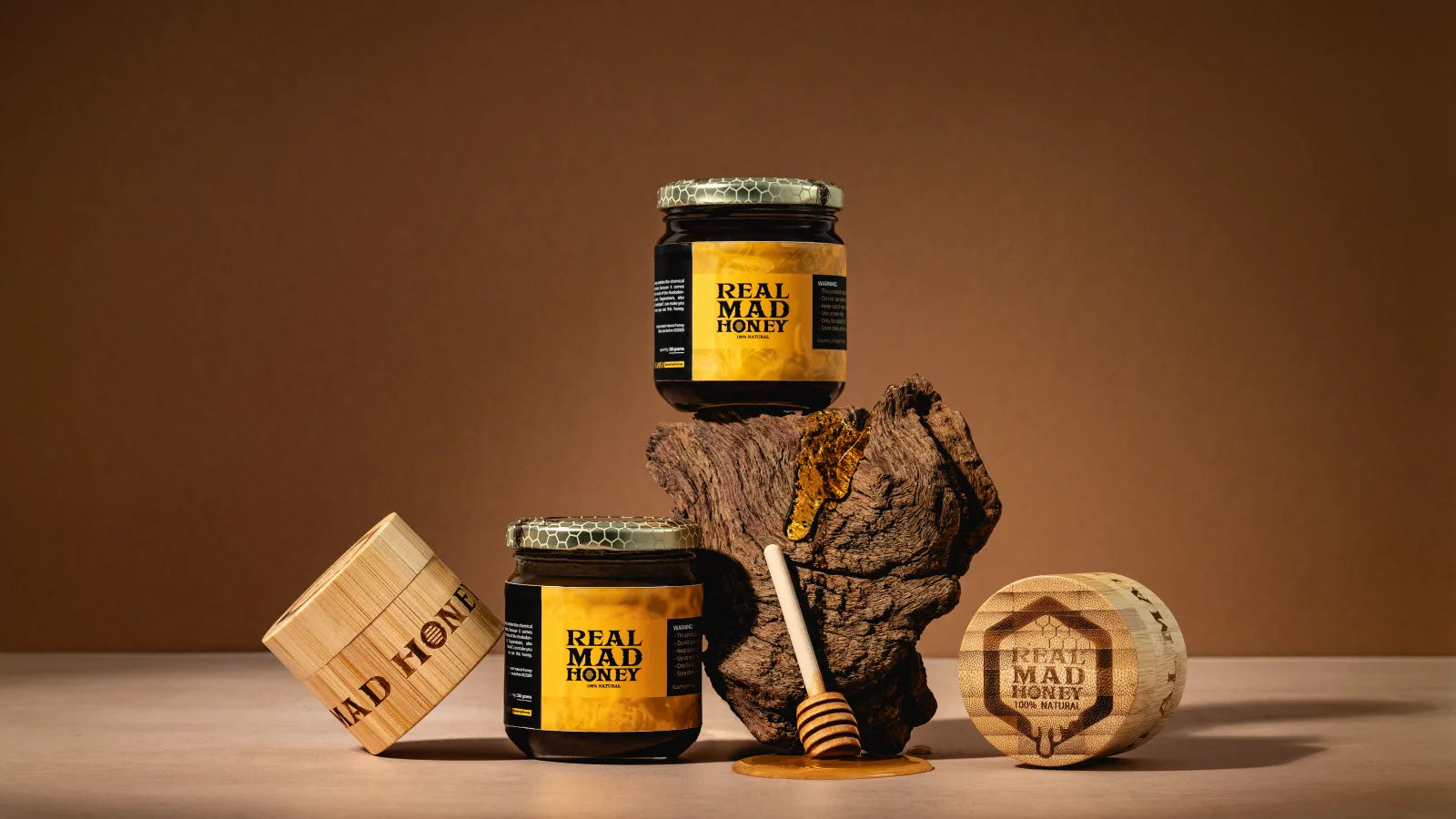
Real Mad Honey, for example, sells wild-harvested Nepalese honey gathered through its stated relationships with Himalayan honey-hunting communities. The company says its honey is traceable to Nepal, that it tests batches for grayanotoxins and makes batch reports available. Those details are more relevant than an unsubstantiated claim that a honey is the “strongest” or most exotic. Its limited wild harvest also makes it a very different product from a supermarket squeeze bottle.
There is an important distinction, however. Mad honey can contain naturally occurring grayanotoxins from certain rhododendron flowers. These compounds can cause nausea, dizziness, dangerously low blood pressure and a slow heart rate. Batch testing does not mean that ingestion is risk-free. This is not an ordinary honey substitute for recipes, breakfast or food served to guests, and it should not be treated as a casual pantry tasting ingredient. Anyone considering it should review the safety guidance and consult a healthcare professional when appropriate.
IMAGE 2 OF 2: publisher asset, delete this block before publishing
File name: lp7-img-13.webp
Original image: Download from client CDN
Alt text: Real Mad Honey jars and wooden honey containers arranged on a warm brown studio background
For everyday sweetening, choose conventional honey. For an adult researching uncommon regional foods, the relevant premium is documentation of source and testing, not a promise of health benefits or an excuse to use more.
Pantry Upgrades That Rarely Justify Their Premium
Expensive versions of ingredients used in large quantities and strongly flavored dishes are not always sensible. Fancy pasta will not rescue an underseasoned sauce. A giant collection of finishing salts may not improve the cooking of someone who always reaches for the same one. Oversized gift sets also become costly when half the products expire or lose their appeal.
Packaging is a particularly unreliable signal. A thick glass bottle, rustic label or story about a faraway place can look impressive without telling you much about freshness or provenance. The smarter comparison is taste, ingredients, quantity, transparency and how often you will reach for the product.
How to Budget for Pantry Upgrades Without Overspending
Think of specialty ingredients as a small part of a normal grocery plan, not an extra shopping list. Begin with meals you already cook, then choose one ingredient that would make them more satisfying. A few simple rules help keep the experiment affordable:
- Use store-brand rice, oats, canned beans and other basics where the difference is not obvious.
- Upgrade one high-impact ingredient at a time, then decide whether you noticed the improvement.
- Compare the price per ounce and choose a quantity you can realistically finish.
- Check sourcing, storage instructions and safety information before buying unfamiliar specialty foods.
Small purchases also limit regret. Buying one new spice or vinegar gives you a real chance to learn what it contributes. A full matching set may be fun to display, but it offers no guarantee of a better dinner.
Make Room for Pantry Upgrades You Will Actually Use
The best pantry is not the one stocked with the rarest ingredients. It is the one that makes a Tuesday dinner easier and better while staying within the grocery budget. A fresh spice, a good finishing oil or a more flavorful vanilla can earn its place because it changes something you eat regularly.
Specialty ingredients deserve a more deliberate decision. Origin, production methods and testing can make them interesting, while some products also require safety considerations that ordinary foods do not. Spend more where the difference is real, keep the staples practical, and let the way you cook determine what deserves shelf space.