
How to Host the Perfect Poker Night with Friends
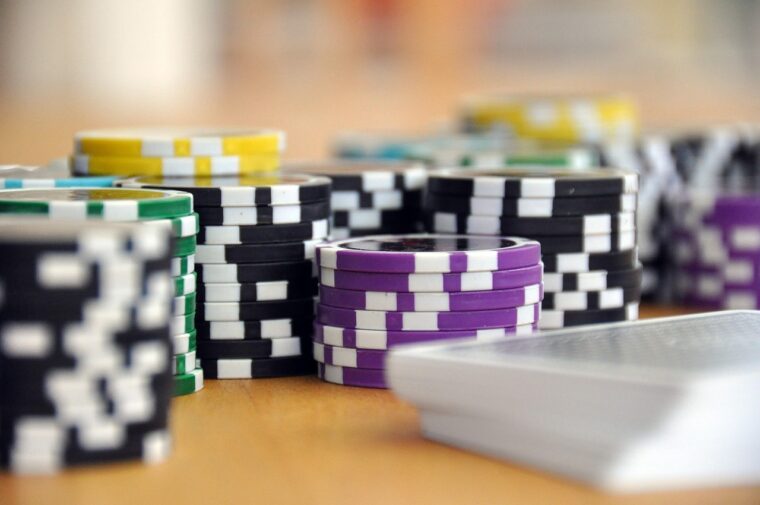
Hosting a poker night requires planning beyond shuffling cards and stacking chips. You need the right setup, proper timing, and an environment that keeps everyone engaged for hours. A successful game night happens when players feel comfortable, the stakes match everyone’s budget, and the host manages both the game flow and social dynamics effectively.
Setting Your Stakes and Buy-ins
Money matters need settling before anyone sits down. Ask your friends about their comfort levels with betting limits at least three days before game night. Some groups prefer $20 buy-ins with nickel and dime blinds, while others might want $50 or $100 starting stacks. Keep extra chips on hand for rebuys, but set a maximum number to prevent anyone from spending beyond their means.
The chip distribution affects gameplay more than most hosts realize. Start each player with 50 to 100 big blinds’ worth of chips. For a $20 buy-in game with 10-cent/20-cent blinds, give each person 100 chips valued at 20 cents each. This depth allows for actual poker strategy rather than forcing everyone into quick all-in decisions.
Reading Your Opponents Before the Cards Come Out
Body language tells you more than cards sometimes do. Watch how your friends handle their chips when they’re confident versus when they’re bluffing. Some people tap their fingers, others sit back in their chair, and a few might suddenly become chatty when holding weak hands. These patterns become obvious after a few rounds of Texas Hold’em, Omaha, or Seven-Card Stud.
Professional players study these tells for years, and you can practice the same skills during your home game. Notice who looks at their cards multiple times when they have nothing and who barely glances when holding pocket aces. Playing poker teaches you to spot these behaviors, though your friends might also pick up bridge, rummy, or blackjack tells if you rotate games throughout the night.
Table Setup and Equipment Basics
Your dining room table works fine, but adding a felt tablecloth improves card sliding and chip stacking. Position the table away from windows to prevent glare on cards and ensure overhead lighting illuminates the entire playing surface evenly. Each player needs approximately 18 inches of table edge space to manage their chips and cards comfortably.
Buy two decks of plastic-coated cards that handle repeated shuffling better than paper cards. Rotate between decks each hand to speed up gameplay. One person shuffles the next deck while another deals the current hand. You’ll also need at least 300 poker chips for a six-person game, though 500 provides better flexibility for various denominations.
Managing the Clock
Start your game at 7 PM to give working friends time to arrive without rushing. Plan for four to five hours of play, ending around midnight so everyone gets adequate sleep before work the next day. Schedule 10-minute breaks every 90 minutes to let players stretch, use the bathroom, and grab snacks without disrupting hands in progress.
Blind levels should increase every 30 to 45 minutes in tournament play. For cash games, keep blinds constant but consider adding ante bets after two hours to increase pot sizes and encourage action. Set phone alarms to track these intervals so you don’t forget during intense hands.
Food and Drink Logistics
Serve foods that won’t leave residue on cards or chips. Cut vegetables, pretzels, and mixed nuts work well because players can eat them with one hand. Avoid greasy items like pizza or wings during play, saving them for break periods when people can wash their hands properly.
Keep drinks in bottles or cups with lids to prevent spills that ruin cards and felt. Position a side table next to the main game table for beverages so players don’t place drinks near the action. Stock both alcoholic and non-alcoholic options, but monitor consumption levels since intoxicated players make poor decisions that can ruin game dynamics.
House Rules That Prevent Arguments
Write your house rules on paper and display them visibly. Specify policies for string betting, verbal declarations, exposed cards, and misdeals before cards hit the felt. Decide if you’ll allow rabbit hunting, checking the dark, or running it twice when players go all-in. These decisions prevent disputes that kill game momentum.
Establish phone policies upfront. Many groups ban phones at the table entirely, while others allow them between hands only. Players actively involved in hands shouldn’t text or browse social media since this slows gameplay and provides unfair timing tells to observant opponents.
Conclusion
Running a quality poker night means balancing competition with friendship. Get the logistics right through proper equipment, reasonable stakes, and explicit rules. Pay attention to timing and comfort so nobody feels rushed or trapped. Most importantly, focus on creating an atmosphere where winning matters less than enjoying several hours of cards with friends. The goal remains consistent entertainment that brings everyone back next month, not maximum profit from a single session.
