
Why Addiction to Your Phone Is Hurting Your Dating Life
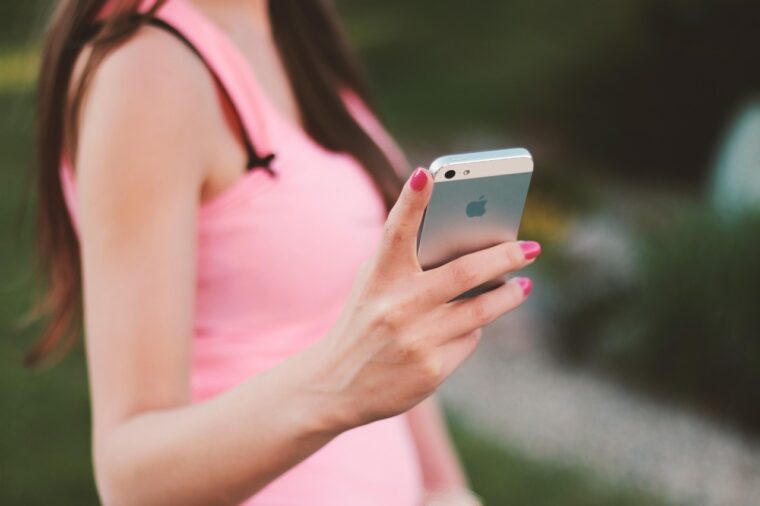
Americans check their phones 144 times daily and spend over five hours staring at screens. This behavior directly undermines romantic relationships. Seventy-one percent of people now spend more time with their phones than with their romantic partners. The data reveals a pattern: excessive phone use correlates with relationship dissatisfaction, increased conflict, and diminished emotional connection.
The Numbers Tell a Bleak Story
Phone dependency has reached clinical levels for many users. According to recent data, 56.9% of Americans admit they have developed an addiction to their devices. The average person spends three to four more hours daily with their phone than with their partner. These statistics represent actual relationship deterioration, not abstract concerns about technology.
Nomophobia affects over 99% of smartphone users. This anxiety about being separated from one’s phone manifests in concrete behaviors that damage romantic connections. Forty-four percent of adults report stress when away from their phones. People bring devices to bed, check them during conversations, and prioritize notifications over their partner’s presence.
Phubbing Destroys Trust
Phone snubbing has become standard behavior in relationships. Forty-six percent of adults report their partner regularly ignores them in favor of their device. This behavior triggers conflict in 23% of couples. Partners feel rejected when their significant other scrolls through social media during dinner or texts while they speak.
One in eight smartphone users interrupt physical intimacy to check their phone. Ten percent look at their devices during romantic moments. These interruptions communicate that whatever appears on the screen matters more than the person sharing their bed. Fifty-four percent of people openly state they prefer their phone to their partner’s company.
When Virtual Validation Replaces Real Connection
Phone addiction creates a feedback loop that undermines dating success. People scroll through dating apps while on actual dates, compare their partners to curated online personas, and seek validation through likes rather than genuine interaction. The pros and cons of social media become apparent when singles spend hours crafting perfect profiles yet struggle to maintain eye contact during dinner. Dating coaches report that clients frequently check Instagram during sessions, text while discussing relationship goals, and interrupt conversations to photograph their meals.
The replacement of authentic connection with performative behavior damages romantic potential. Singles now judge dates based on their social media presence before meeting, dismiss potential partners who lack follower counts, and prioritize photographable moments over meaningful conversation. Research shows that 62% of daters admit checking their ex’s profile during new dates, while 38% post stories specifically to make someone jealous rather than focusing on the person sitting across from them.
Communication Breaks Down
Face-to-face conversation has declined measurably. Thirty percent of couples text each other while sitting in the same house. Over half of teenagers report periods of complete silence in groups because everyone stares at their screens instead of talking. Partners substitute emoji reactions for verbal responses and send memes instead of sharing thoughts.
The quality of communication suffers when phones interrupt. Conversations become fragmented as people pause mid-sentence to check notifications. Active listening disappears when one partner mentally composes tweets while the other speaks. Arguments increase in frequency because partners feel unheard and unseen.
Mental Health Consequences Compound Relationship Problems
Phone addiction correlates with depression and anxiety, which then strain relationships. Teenagers who use devices for five or more hours daily are 71% more likely to exhibit suicidal behaviors than those who limit usage to one hour. Sixty-seven percent of teens lose sleep to late-night scrolling, affecting their mood and capacity for connection the next day.
Adults fare poorly too. Forty-four percent report anxiety when separated from their phones. This constant stress affects how people interact with partners. Anxious attachment patterns intensify when someone constantly seeks reassurance through texts. Depression worsens when partners compare their relationship to idealized versions on social media.
Gender and Age Patterns Shape Phone Habits
Women report higher smartphone addiction rates at 26% compared to 21% for men. Female users aged 18 to 35 are 43% more likely to use phones late at night, disrupting sleep and morning interactions with partners. Women average 3.7 hours daily on devices, while men spend 4.3 hours, though their usage patterns differ.
Female teenagers now spend 6.1 hours daily on smartphones, 33% more than male teens. Social media drives female usage patterns, while gaming and video content dominate male screen time. These differences affect how phone addiction manifests in relationships across demographics.
Social Media Amplifies Addictive Patterns
Sixty-one percent of smartphone addicts cannot reduce usage because of social media. Platforms design features to maximize engagement through dopamine releases triggered by notifications and likes. Users who spend over three hours daily on social media are 2.4 times more likely to develop compulsive phone habits.
Generation Z reports particular pressure, with 58% feeling they must stay online constantly. Teenagers spending four or more hours on social platforms show 42% higher rates of attention difficulties. These attention problems directly impact their ability to focus on partners during dates or conversations.
Attempted Solutions Show Mixed Results
Eighteen percent of couples have established phone-free zones at home, particularly during meals and in bedrooms. Forty percent of adults actively try to reduce screen time, though 36% doubt they could last 24 hours without their device. The ingrained nature of these habits makes change difficult even when people recognize the damage.
Couples counselors recommend specific interventions: device-free date nights, screen time monitoring apps, and explicit discussions about phubbing’s emotional impact. Some partners create communication agreements specifying when phones stay away. Others develop shared hobbies that require full attention and prevent device use.
Global Patterns Confirm Universal Problems
Smartphone addiction affects relationships worldwide. Between 20% and 30% of young adults across multiple countries show dependency signs. Malaysia and Bangladesh report rates up to 61% among young adults. Globally, 6.3% of smartphone users meet clinical addiction criteria.
These patterns demonstrate that relationship damage from phone overuse transcends cultural boundaries. Partners everywhere report feeling ignored, neglected, and devalued when devices take precedence. The technology designed to connect people instead isolates them from those physically present.
Phone addiction measurably harms dating and relationships through multiple mechanisms. Time spent on devices directly reduces partner interaction. Phubbing behaviors communicate disinterest and trigger conflict. Mental health consequences from excessive use compound relationship stress. While some couples implement boundaries and rules, the pervasive nature of smartphone dependency makes lasting change difficult. The data confirms what many suspect: most people now prioritize their devices over the person they claim to love.
