
Best Cultural Cooking Gifts Under $50 for Home Chefs
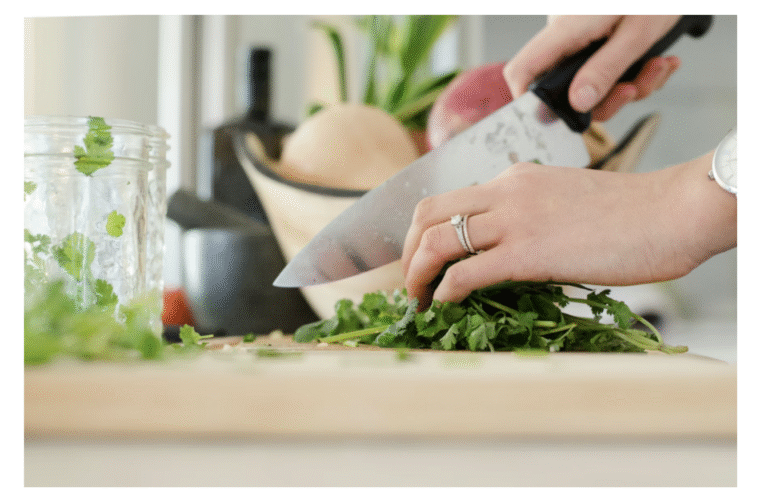
The kitchen has always been a place where cultures collide and creativity flourishes. For home chefs who love exploring global cuisines, the right tools and ingredients can transform an ordinary meal into an authentic cultural experience. Whether it’s mastering the art of handmade pasta or perfecting the delicate balance of Thai curry, thoughtful gifts that celebrate culinary traditions make cooking more meaningful.
Finding gifts that resonate doesn’t require a lavish budget. Under $50, there’s a wealth of options that bring genuine value to passionate cooks—from artisan spice collections to specialized cookware that unlocks new techniques. According to research on the psychology of gift-giving, presents that align with someone’s interests create deeper connections than generic alternatives. For cooking enthusiasts, gifts rooted in cultural authenticity offer both practical utility and the joy of discovery.
Spice Collections That Transport the Palate
Few things elevate home cooking like authentic spices. A well-curated spice set introduces flavors that are difficult to replicate with standard grocery store offerings. Consider collections that focus on specific regions:
- Middle Eastern blends: Za’atar, sumac, and Aleppo pepper bring the warmth of Levantine cuisine to roasted vegetables and grilled meats.
- Indian essentials: Whole cumin seeds, black cardamom, and Kashmiri chili powder form the foundation of complex curries and biryanis.
- Latin American staples: Smoked paprika, Mexican oregano, and ancho chili powder add depth to everything from mole to carne asada.
Quality matters more than quantity. Small-batch spice companies often source directly from growers, ensuring fresher products with more potent flavors. These sets typically include recipe cards or pairing suggestions, making them accessible even for cooks just beginning to explore a new cuisine.
Cookbooks That Tell Cultural Stories
The best cookbooks do more than list ingredients and instructions—they provide context about why dishes matter to the people who created them. Recent years have seen a surge in titles that blend memoir, history, and recipes, offering readers a deeper understanding of culinary traditions.
Look for books by authors with direct cultural connections to the cuisine they’re presenting. These works often include family stories, regional variations, and the kind of insider knowledge that comes from growing up with these foods. Whether it’s a deep dive into regional Italian cooking or an exploration of West African flavors, these books become references that home chefs return to repeatedly.
For those interested in sustainable cooking practices, many contemporary cookbooks also address how traditional methods align with modern environmental concerns.
Specialized Tools for Authentic Preparation
Certain dishes simply work better when prepared with traditional equipment. While a skilled cook can improvise, the right tool often makes the difference between approximation and authenticity:
- Bamboo sushi mats and rice paddles: Essential for anyone serious about making proper nigiri and maki at home.
- Cast iron tortilla presses: Create evenly thin tortillas that puff perfectly on the griddle—something rolling pins struggle to achieve.
- Mortar and pestle sets: Thai granite versions excel at making curry pastes, while Mexican molcajetes are ideal for salsas and guacamole.
- Tagine pots: The conical lid design creates a self-basting environment perfect for slow-cooked Moroccan stews.
These tools often become conversation pieces in the kitchen, their presence inviting questions about the dishes they help create. Many are built to last decades, making them investments in a cook’s ongoing culinary education.
Artisan Ingredients That Make a Difference
Sometimes the best gift is a single exceptional ingredient. High-quality olive oil from a specific Greek region, aged balsamic vinegar from Modena, or hand-harvested sea salt from the coast of Brittany can elevate simple dishes dramatically.
Specialty food shops and online retailers now offer sampler sets that let home chefs compare different varieties side by side. A trio of finishing oils—perhaps one from Spain, one from California, and one from Tunisia—demonstrates how terroir affects flavor even in something as fundamental as olive oil.
For those exploring cultural cooking, curated sets under $50 often combine complementary ingredients with serving pieces or preparation tools, creating a complete experience around a specific cuisine or cooking technique.
Sustainable Kitchen Essentials
Environmental consciousness has become central to how many people approach cooking. Gifts that reduce waste while enhancing functionality appeal to home chefs who care about their impact:
- Beeswax food wraps: Reusable alternatives to plastic wrap that mold to bowls and around produce, keeping food fresh without single-use plastics.
- Bamboo utensil sets: Naturally antimicrobial and biodegradable, these tools are gentle on cookware and sturdy enough for daily use.
- Organic spice collections: Support farming practices that protect soil health and biodiversity while delivering superior flavor.
- Silicone storage bags: Freezer-safe, dishwasher-safe alternatives to disposable plastic bags that last for years.
According to experts on reducing food waste, proper storage extends ingredient life significantly, making these practical gifts that pay dividends over time. They also align with the values of cooks who view their kitchens as places to practice sustainability.
Finding Quality Within Budget
Shopping smart means getting more value from every dollar. Start by identifying what the recipient actually needs rather than defaulting to generic gift sets. A single excellent knife often serves a cook better than a block of mediocre ones.
Timing matters. Many specialty retailers offer significant discounts during off-peak seasons—buying a tagine in July rather than November can mean substantial savings. Sign up for newsletters from quality kitchen suppliers to catch flash sales and exclusive offers.
Compare prices across retailers, but factor in shipping costs and return policies. A slightly higher price from a company with excellent customer service often proves worthwhile if issues arise. Read reviews carefully, looking for feedback from people who’ve used items extensively rather than initial impressions.
Consider buying directly from artisan producers when possible. Cutting out middlemen often means better prices on handcrafted items while supporting small businesses. Many spice companies, pottery studios, and specialty food producers sell through their own websites at prices competitive with major retailers.
Gifts That Grow Skills
The most lasting gifts often aren’t physical objects but experiences that build knowledge. Online cooking class subscriptions have exploded in variety and quality, with options ranging from single sessions to comprehensive courses.
Look for classes taught by chefs with deep expertise in specific cuisines. A pasta-making workshop led by an Italian nonna offers different insights than one from a culinary school instructor. Many platforms now offer gift certificates, letting recipients choose classes that match their interests and schedules.
Subscription boxes focused on specific cuisines deliver curated ingredients with recipe cards each month, gradually building both pantry staples and cooking confidence. These work particularly well for people who want to explore a cuisine systematically rather than jumping between different traditions.
The Personal Touch
The most meaningful gifts reflect genuine understanding of the recipient’s cooking journey. Pay attention to what cuisines they’re currently exploring, which techniques they’re trying to master, and what gaps exist in their kitchen equipment.
A handwritten note explaining why you chose a particular item adds significance. If you’re giving a Moroccan tagine, share a memory of a meal you enjoyed together or express hope that they’ll invite you over when they master the technique. These personal connections transform functional gifts into cherished possessions.
Consider pairing items thoughtfully. A high-quality olive oil becomes more special when accompanied by a loaf of artisan bread and a recipe for a simple but elegant appetizer. A spice set gains context when bundled with a cookbook that uses those exact ingredients.
Conclusion
Cultural cooking gifts under $50 offer remarkable opportunities to support someone’s culinary passions without overspending. From specialized tools that unlock new techniques to ingredients that deliver authentic flavors, thoughtful selections demonstrate real understanding of what makes cooking meaningful.
The best gifts balance practicality with inspiration—items that get used regularly while also encouraging exploration beyond familiar recipes. Whether it’s a collection of spices that introduces new flavor profiles, a cookbook that tells the stories behind beloved dishes, or sustainable tools that align cooking with environmental values, these presents enrich both the kitchen and the cook.
Focus on quality over quantity, authenticity over novelty, and always consider what will genuinely serve the recipient’s cooking journey. The right gift doesn’t just sit on a shelf—it becomes part of how someone expresses creativity, connects with culture, and shares meals with people they care about.
