
What to Check Around Your Home After a Major Storm
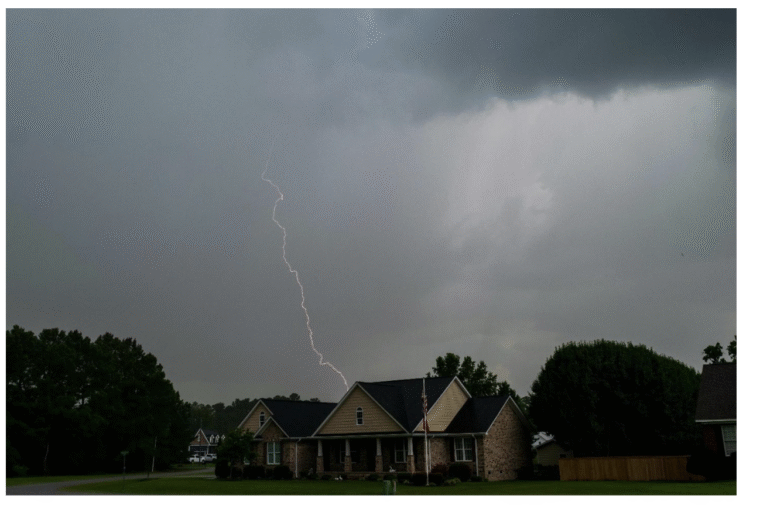
One frustrating thing about major storms is how normal a house can look afterward. The wind settles, the rain stops, and people walk outside expecting obvious damage, but the real problems are often hidden.
That is usually where expensive repairs begin. Most homeowners focus first on fallen branches, cleanup, or restoring power while water keeps spreading through insulation, ceilings, flooring, and electrical areas indoors. The visible damage gets attention immediately. The hidden moisture usually sits there quietly until the smell, stains, or warped surfaces finally start showing up.
Why Hidden Storm Damage Gets Missed
After a major storm, people often check for obvious destruction and assume the house survived if nothing looks catastrophic from the street. But storms affect homes in smaller ways, too. Strong winds can loosen roofing materials without tearing them off completely. Water can enter through tiny gaps around windows, vents, or flashing near the roofline. Sometimes damage does not fully show up until days later when ceilings discolor, flooring warps slightly, or rooms start smelling damp for no clear reason.
To address that delayed damage, homeowners turn to professional storm damage repair services after severe weather, even when the house initially seemed fine. Moisture spreads quietly once it gets inside walls or insulation, and small exterior problems can become much larger if they sit untreated for too long. Early inspection matters more than people usually realize during those first couple of days after a storm.
Start Outside Before Anything Else
The outside of the house usually shows the first signs of trouble, but people miss a lot when they rush through inspections after bad weather. Roof shingles may loosen without fully falling off, gutters can shift slightly, and small cracks around windows sometimes allow water inside later. Walk around slowly and actually look at things instead of assuming everything survived because the house is still standing.
Trees matter too, even when branches never hit the roof directly. Limbs scraping against shingles, clogged outdoor units, leaning fences, and blocked drainage areas all create problems that grow over time. Big damage gets attention immediately. Smaller problems usually stay unnoticed until the repair bill becomes much worse later on.
Check the Attic Even if It Feels Fine
A lot of storm-related water damage starts in attics because roof leaks rarely drip straight into living spaces immediately. Moisture often spreads slowly through insulation and wood framing first. Look for damp insulation, dark stains on wood, soft spots, or musty smells that seem stronger than usual. If sunlight suddenly shows through places where it normally would not, that is another problem. Even small roof openings can allow enough water inside to create mold growth over time.
Attics also hold ventilation systems and electrical wiring, which storms can affect indirectly through moisture exposure. People often avoid attic inspections because they are uncomfortable and inconvenient, but skipping them after severe weather usually is not a great idea.
Water Does Not Always Stay Where It Enters
One frustrating thing about water damage is that it rarely stays where it started. Moisture moves through insulation, behind drywall, under flooring, and along wooden beams before visible signs finally appear somewhere else entirely. A small ceiling stain or slightly warped floor may point to a much larger problem hidden deeper inside the house.
Basements deserve extra attention, too, because heavy rain often pushes moisture through weak foundation areas long before actual flooding happens. Even mild dampness can create mold problems surprisingly fast if airflow stays poor afterward. A lot of homeowners wait for obvious water damage before getting concerned, but smaller hidden moisture issues are usually harder and more expensive to fully fix later.
Doors and Windows Usually Shift First
Strong storms place pressure on homes in strange ways. Doors that suddenly stick, windows that stop closing smoothly, or visible gaps around frames sometimes indicate structural shifting caused by heavy wind or saturated soil around foundations.
People usually blame humidity at first, which sometimes is true. But after severe weather, changes around windows and doors deserve attention because they may point toward larger movement happening elsewhere in the structure.
Check window tracks for moisture, too. Water entering around frames may not drip visibly right away. It often settles inside walls first before spreading downward. That kind of leak tends to stay hidden longer than roof leaks because homeowners are not usually looking closely at window framing after storms.
Electrical Problems Can Show Up Slowly
Storm-related electrical damage does not always happen immediately. Sometimes outlets stop working days later because moisture reaches the wiring behind the walls. Lights flicker intermittently. Breakers trip without clear reasons. Appliances behave strangely after power surges during severe weather.
If anything smells burnt or outlets feel warm afterward, it is safer to stop using those areas until systems are inspected properly. Water and electricity create problems that escalate quickly once hidden damage exists behind walls or ceilings. Power outages also affect sump pumps, refrigerators, HVAC systems, and internet equipment during storms, which means secondary problems sometimes appear after the weather itself has already ended.
Insurance Documentation Matters More Than People Think
Most homeowners dislike dealing with insurance paperwork, especially while cleaning up storm debris and trying to restore normal routines. Still, documentation matters a lot during those first days. Take photos before moving damaged items whenever possible. Save receipts related to temporary repairs or cleanup supplies. Write down dates, visible problems, and conversations with contractors or insurance representatives because details blur together quickly afterward.
People often underestimate smaller damage when filing claims because they focus on obvious repairs first. But moisture problems, roof damage, and structural issues sometimes reveal themselves gradually over several weeks. The process becomes easier when records already exist from the beginning, even if homeowners are unsure whether claims will actually be filed later.
Small Problems Rarely Stay Small After Storms
Small storm problems almost never stay small for long. A loose shingle turns into soaked insulation after the next rainfall, and tiny cracks around windows quietly trap moisture inside walls before anyone notices. Damp flooring, warped wood, and musty smells usually show up later, not right after the storm passes. Most homeowners are not ignoring damage on purpose either.
People are exhausted, cleaning debris, dealing with insurance calls, and trying to get life back to normal. But storms expose weak spots fast, especially where water can slip inside unnoticed. The repairs that become expensive later are usually tied to problems that looked harmless during those first few days afterward.
