
What to Expect on Kona Snorkeling Adventures
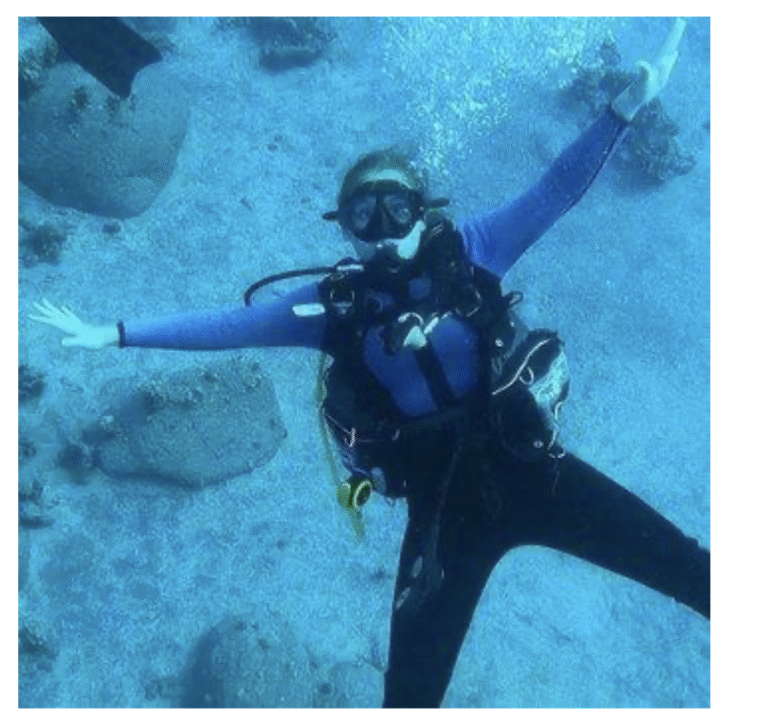
Kona snorkeling adventures typically involve calm, clear waters, easy boat access to reef sites, and frequent sightings of sea turtles and tropical fish. Most trips last two to four hours, including travel time to and from the snorkeling site.
Located on the western coast of Hawaii’s Big Island, Kona is known for its volcanic shoreline, clear Pacific waters, and extensive coral reef ecosystems. The coastline is lined with sheltered bays and underwater lava formations that provide habitat for a wide variety of tropical fish, sea turtles, and other marine species, making the region one of Hawaii’s most popular destinations for ocean activities like snorkeling.
Many first-time visitors book Kona snorkeling adventures specifically for the chance to see sea turtles up close without needing advanced swimming experience. The calm bays near Kona make it easier for beginners to feel comfortable in the water compared to more exposed coastlines.
The sections below explain what to expect and how to prepare.
What Happens Before You Get in the Water
Most boats provide a short safety briefing before reaching the snorkeling site. Crew members typically go over mask and fin use, entry and exit procedures, and what marine life to expect that day.
- Fitting and adjusting snorkel masks and fins
- Reviewing a boat ladder or platform entry steps
- Pointing out no-touch rules for coral and marine life
- Sharing expected water conditions for the day
What You’ll Likely See Underwater
Kona’s reefs are known for consistent visibility and a steady range of marine life, though sightings vary by location and time of year.
Sea turtles are among the most commonly spotted animals, often resting near reef structures or grazing on algae close to shore. Tropical reef fish, including parrotfish and butterflyfish, are visible in most snorkeling areas regardless of season. Some evening tours also offer chances to see manta rays feeding near the surface, though this depends on the specific route.
Morning Tours and Evening Tours
The time of day you choose to snorkel affects both water conditions and what you’re likely to see. Each option suits a slightly different priority.
Morning Snorkeling Tours
Morning tours generally offer calmer water and better visibility, since wind and boat traffic tend to pick up later in the day. Fish activity is often higher earlier as well, making morning a popular choice for first-time snorkelers.
Evening Snorkeling Tours
Evening tours focus more on specific sightings, such as manta rays, rather than general reef exploration. Water conditions can be slightly choppier, though many travelers find the trade-off worth it for the chance at a manta ray encounter.
What to Bring on a Snorkeling Trip
A few items can make the experience more comfortable, even when gear is provided by the tour.
- Reef-safe sunscreen, since regular sunscreen is restricted in parts of Hawaii
- A rash guard for sun protection during longer times in the water
- A dry bag for phones, keys, or other valuables
- Motion sickness medication if you are prone to seasickness on boats
Guided Tours vs. Independent Snorkeling
Choosing between a guided boat tour and snorkeling from shore depends on your comfort level and what you want to see.
- Guided tours: Access to deeper reef sites, instructor guidance, higher cost
- Independent snorkeling: Lower cost, limited to shore-accessible spots, less guidance on marine life
- Best for beginners: Guided tours offer safety instruction and easier entry points
- Best for experienced snorkelers: Independent snorkeling allows more flexible timing
Most Kona snorkeling tours include equipment rental, so checking what’s provided ahead of time can help you pack lighter.
Key Takeaways
- Kona’s calm western waters make it a reliable spot for snorkeling year-round.
- Sea turtles and reef fish are commonly spotted on most tours.
- Morning tours generally offer better visibility and calmer conditions.
- Evening tours focus on specific sightings, such as manta rays.
- Reef-safe sunscreen is required in parts of Hawaii.
- Guided tours suit beginners, while independent snorkeling suits experienced swimmers.
- Checking gear inclusions ahead of time helps with packing decisions.
